Corporate Energy Overview – February 2026
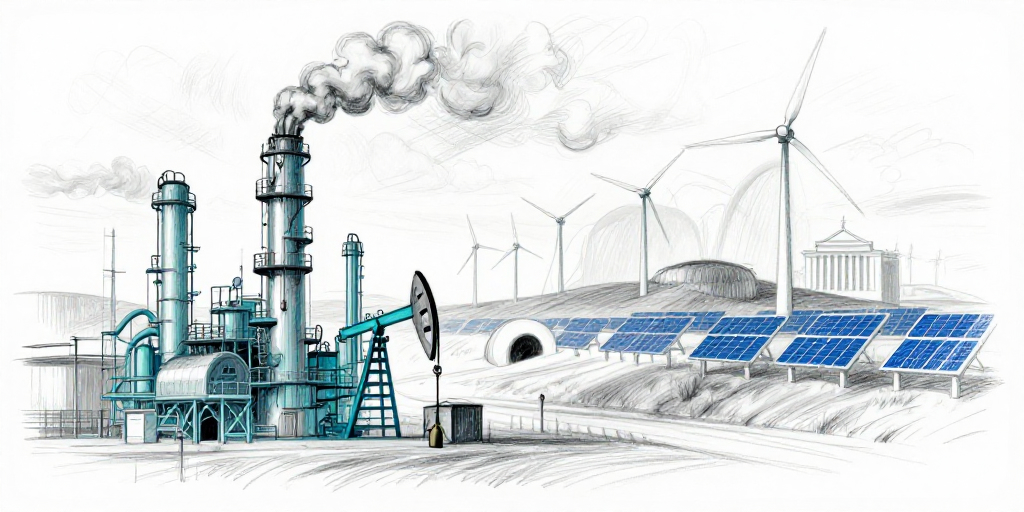
Energysupply markets continue to evolve under the combined influence of production dynamics, storage capacity, and a rapidly shifting regulatory environment. In parallel, technical innovations and macro‑economic pressures shape the outlook for both traditional hydrocarbons and renewable assets. Geopolitical developments add another layer of complexity, affecting supply chains, pricing, and policy decisions worldwide.
Production Trends in the Traditional Energy Sector
The United States remains the world’s largest oil producer, with the Bakken and Permian Basins accounting for a significant share of new wells. In 2025, drilling activity in these basins averaged 40 000 new wells, a 5 % increase over the previous year. The recent uptick in EOG Resources’ share price—trading near a 52‑week high—correlates with a 4.8 % weekly rally and a 9 % monthly gain, reflecting confidence in continued production growth.
Key points:
- Well density and output: Advanced drilling techniques such as horizontal fracturing and managed pressure drilling have reduced water usage and drilling costs, enabling a more efficient extraction cycle.
- Reserve replacement: Companies like EOG have increased their reserve replacement ratio to 1.2, ensuring a sustainable pipeline of future production.
- Capital allocation: The recent insider purchase of 47 800 performance‑unit shares by CEO Yacob Ezra Y signals confidence in the company’s operational strategy and its ability to maintain a robust reserve base.
Storage Developments and Their Impact on Market Liquidity
Gas and oil storage capacity has expanded in response to volatile spot prices and seasonal demand variations. New LNG export terminals and enhanced underground storage projects have increased the U.S. storage capacity by 12 % over the past two years.
Storage plays a dual role:
- Price stabilization – Excess inventory during low‑demand periods helps mitigate price spikes.
- Strategic reserves – National security considerations, especially in the context of global supply disruptions, motivate the expansion of strategic storage facilities.
Recent policy shifts, including the U.S. Federal Energy Regulatory Commission’s (FERC) “Storage Incentives Program,” provide financial incentives for operators to expand storage capacity, thereby encouraging the development of more resilient supply chains.
Regulatory Dynamics Shaping the Energy Landscape
Regulatory frameworks are becoming increasingly multifaceted:
- Carbon pricing and emissions standards: The Biden Administration’s updated Clean Air Act provisions will impose stricter limits on methane emissions, affecting operational costs for oil and gas producers.
- Renewable portfolio standards (RPS): State‑level RPS mandates are growing in number and ambition, encouraging investment in wind, solar, and battery storage.
- Cross‑border trade agreements: The U.S.–Mexico Trade Agreement (USMCA) continues to influence the flow of energy commodities, especially crude oil and natural gas, through tariff reductions and harmonized environmental standards.
These regulatory factors influence both capital budgeting decisions and long‑term strategic planning for energy companies.
Technical and Economic Drivers in Traditional and Renewable Sectors
Traditional Energy:
- Technological advances: Digital twins, AI‑driven predictive maintenance, and real‑time monitoring improve operational efficiency and reduce downtime.
- Economic considerations: Oil and gas prices remain sensitive to global supply disruptions, geopolitical tensions, and macro‑economic trends. The recent insider activity at EOG suggests management expects a steady trajectory for earnings despite market volatility.
Renewable Energy:
- Cost declines: Wind and solar module prices have dropped by 30 % since 2019, enhancing the competitiveness of renewable projects.
- Energy storage integration: Battery technologies, especially lithium‑ion and flow batteries, are becoming critical to address intermittency. The U.S. Department of Energy’s (DOE) 2025 storage research grant program is accelerating deployment.
- Policy support: Federal tax credits and state-level incentives continue to lower the levelized cost of energy (LCOE) for renewables.
Geopolitical Considerations
- Middle East stability: Ongoing tensions in the Gulf region influence OPEC‑OQO decisions on output cuts, which can cascade to global prices.
- China’s energy policy: China’s push for energy independence, coupled with its renewable investment strategy, is reshaping global supply chains for critical minerals such as lithium and cobalt.
- Russia‑Ukraine conflict: European dependence on Russian natural gas highlights the strategic importance of alternative supplies, including U.S. liquefied natural gas (LNG) exports.
These geopolitical factors create a complex risk profile that requires diversification and strategic resilience.
Insider Activity: Signaling Management Confidence
The recent purchase of 47 800 performance‑unit shares by CEO Yacob Ezra Y, alongside similar buys by EVP Leitzell and EVP Donaldson, aligns with a broader pattern of modest yet steady insider buying. Key observations include:
- Routine vesting: The transaction aligns with a 28‑day cliff typical of total shareholder return‑linked awards.
- Long‑term stake: Ezra’s consistent ownership level (~250 k shares) indicates a long‑term commitment to EOG’s prospects.
- Positive market sentiment: Despite a 9‑point negative social‑media sentiment, the overall buzz remains high, suggesting that investors view the insider activity as a bullish endorsement of earnings potential.
For analysts, this pattern underscores a stable trajectory for EOG and reinforces confidence in its operational strategy amidst broader market and regulatory shifts.
Conclusion
Energysupply markets are at a pivotal juncture, driven by production efficiencies, expanding storage capacity, and evolving regulatory frameworks. Technical innovations and cost reductions in both traditional and renewable sectors, combined with geopolitical dynamics, create a multifaceted environment that requires nuanced risk management and strategic foresight. Insider buying at leading energy firms, exemplified by EOG Resources, serves as a tangible indicator of management confidence and may inform investor expectations as the industry navigates these complex forces.