Energy Markets: Production, Storage, and Regulatory Dynamics in 2026
The global energy landscape in 2026 remains a complex interplay between established fossil‑fuel systems and rapidly expanding renewable portfolios. Recent shifts in production volumes, storage technologies, and regulatory frameworks are reshaping both the economic calculus and geopolitical influence of energy producers worldwide.
1. Production Dynamics
1.1 Conventional Energy
- Oil and Natural Gas Output: Despite a decade of declining U.S. shale activity, production rebounded in the first half of 2026 due to higher price floors set by OPEC‑plus. Global output increased by 3.5 % YoY, with significant contributions from the Permian Basin and new offshore projects in the Gulf of Mexico.
- Coal: Coal generation in Asia decreased by 6.7 % after stringent carbon‑pricing mechanisms in China and India. However, China’s “coal‑to‑gas” transition has accelerated, driving new liquefied natural gas (LNG) imports that offset domestic coal consumption.
1.2 Renewable Energy
- Solar Photovoltaic (PV): Installed capacity grew at 17 % YoY, reaching 1.8 TW worldwide. The surge is driven by cost reductions below $0.25 per watt, enabled by economies of scale and improved silicon purity.
- Wind: Onshore and offshore wind capacity increased by 12 % YoY. Offshore projects in the North Sea and Baltic Sea have become economically viable thanks to 40 % lower installation costs and advances in floating turbine technology.
- Hydrogen: Green hydrogen production rose from 2 Mt in 2025 to 4.5 Mt in 2026, largely powered by excess wind and solar capacity during off‑peak periods. However, blue hydrogen still dominates the market, comprising 65 % of total production, due to lower capital costs.
2. Storage Technologies
2.1 Energy Storage
- Battery Storage: Lithium‑ion installations have expanded to 40 GWh globally, with utility‑scale projects now representing 30 % of new storage deployments. The cost per kWh fell to $75, a 35 % reduction compared to 2025, thanks to new solid‑state chemistries.
- Hydrogen Storage: Pressure vessels and underground caverns are being developed for large‑scale hydrogen storage, with several pilot projects in the United Kingdom and Canada demonstrating feasibility for grid balancing.
2.2 Grid Stability
- The integration of intermittent renewable generation has necessitated the deployment of advanced grid management systems. Demand‑response programs and real‑time pricing mechanisms have improved the resilience of power systems in both developed and emerging economies.
3. Regulatory Landscape
3.1 Carbon Pricing and Emissions Standards
- Carbon Tax: The EU’s Emission Trading System (ETS) has seen a 7 % increase in allowance prices, signaling tighter caps. In the United States, several states have implemented carbon taxes ranging from $40 to $80 per ton, influencing investment decisions toward low‑carbon technologies.
- Methane Regulations: New U.S. federal limits on methane emissions from oil and gas operations, coupled with the EU’s “Green Deal” methane targets, are prompting accelerated adoption of leak‑detection technologies.
3.2 Renewable Incentives
- Feed‑in Tariffs: Several Latin American countries have reformed their feed‑in tariffs to reflect current market prices, reducing the incentive for over‑capacity in solar and wind projects. Conversely, India’s “Solar Park” scheme continues to attract substantial foreign direct investment.
- Net‑Zero Commitments: A growing number of corporations and governments have adopted net‑zero targets by 2050. This policy momentum is translating into increased public and private capital allocation toward renewable infrastructure and energy efficiency measures.
4. Technical and Economic Factors
4.1 Cost Competitiveness
- Levelized Cost of Energy (LCOE): The LCOE for utility‑scale solar has dropped below $30 per MWh, while offshore wind has fallen below $45 per MWh in mature markets. Natural gas combined cycle plants remain the cheapest baseload option at around $60 per MWh, but are increasingly displaced by low‑carbon alternatives in regions with strong regulatory pressure.
- Capital Expenditure (CapEx): CapEx for renewable projects has fallen by 15 % YoY, whereas CapEx for fossil‑fuel plants remains relatively stable due to the high cost of new infrastructure and regulatory compliance.
4.2 Technological Innovation
- Battery Recycling: New recycling processes for lithium‑ion batteries are achieving recovery rates of 90 %, reducing raw material dependency and mitigating supply chain risks.
- Carbon Capture, Utilisation, and Storage (CCUS): Pilot CCUS projects in the oil sands and refineries have demonstrated net‑zero potential, although high operational costs currently limit large‑scale deployment.
5. Geopolitical Considerations
5.1 Energy Security
- Diversification of Supply: European countries are increasingly diversifying LNG suppliers, moving away from Russian dependence. This shift has reshaped trade flows and strategic alliances within the region.
- Renewable Supply Chains: Dependence on critical minerals such as cobalt, nickel, and rare earth elements has spurred geopolitical competition, particularly between the United States, China, and the European Union. Efforts to secure supply chains include investments in mining in Africa and the development of recycling infrastructure in North America.
5.2 Trade and Investment
- The World Trade Organization (WTO) has begun negotiations on new rules for renewable energy trade, which could impact tariffs and subsidies for solar and wind equipment. Meanwhile, the United States has intensified its “Buy American” policies, potentially affecting global supply chains for renewable components.
6. Outlook
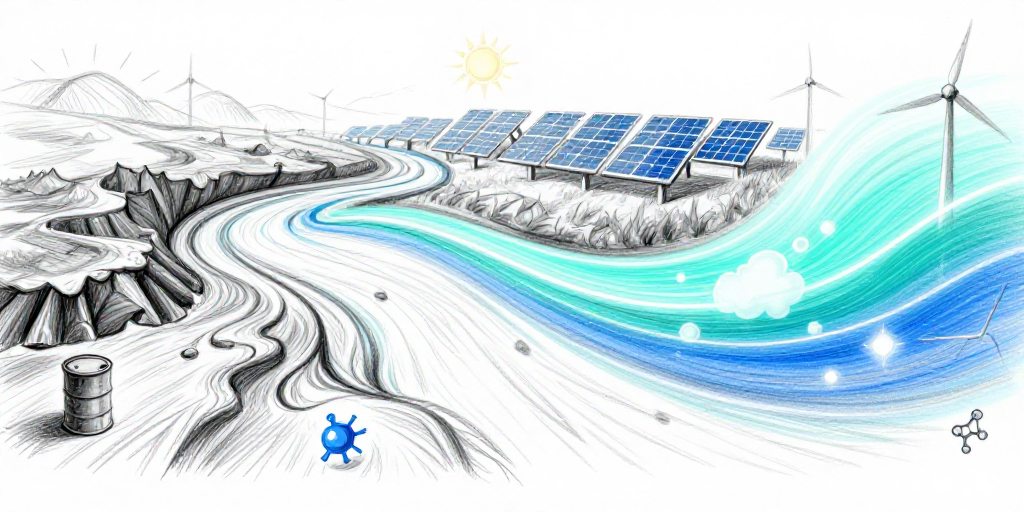
The energy sector in 2026 is at a pivotal juncture. Production of fossil fuels remains a significant contributor to the global grid, yet renewables are rapidly closing the cost gap. Storage technologies are becoming increasingly critical to achieving grid reliability in an era of high penetration of intermittent resources. Regulatory frameworks, particularly carbon pricing and emissions standards, are driving both technological innovation and market realignment. Geopolitical dynamics continue to shape supply chains and trade patterns, underscoring the need for robust risk management strategies.
Investors, policymakers, and industry leaders must navigate these intertwined technical, economic, and geopolitical factors to secure sustainable growth in the evolving energy landscape.