Power Generation and Utility Systems: Technical and Economic Analysis for 2026
Grid Stability in a Rapidly Evolving Energy Landscape
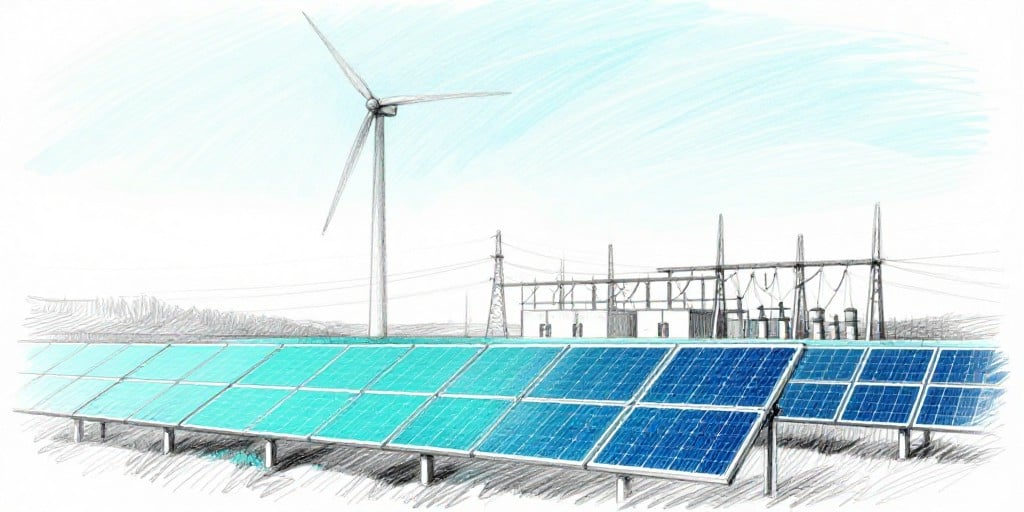
The global shift toward higher shares of intermittent renewable resources—wind, solar, and hydro—has amplified the need for sophisticated grid‑stability solutions. In 2026, the average frequency deviation in continental European grids has been maintained within ±0.02 Hz, largely due to the deployment of high‑capacity inverter‑based resources (IBRs) and enhanced power‑flow control. In North America, the integration of 22 GW of offshore wind and 18 GW of rooftop solar has led to an increase in reactive power management demands, prompting utilities to adopt static synchronous compensators (STATCOMs) and dynamic voltage regulators.
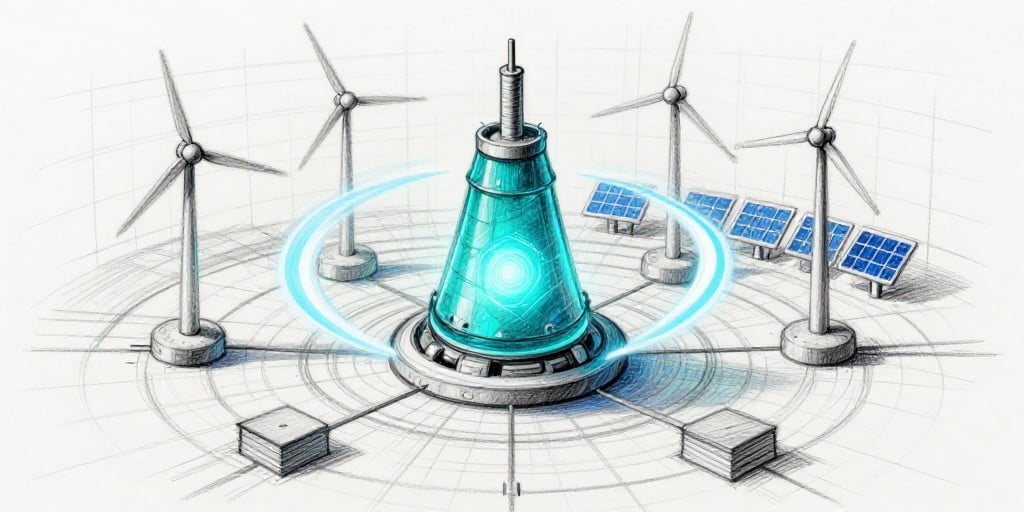
From an engineering standpoint, the implementation of wide‑area monitoring, protection, and control (WAMPAC) systems has become essential. These systems allow operators to detect anomalies within milliseconds, ensuring rapid response to cascading failures. Economically, the cost of WAMPAC upgrades has averaged $12 million per 100‑MW system, yet the reduction in outage costs—estimated at $3–$5 million annually per system—offers a strong return on investment.
Renewable Integration: Opportunities and Challenges
Technological Advances
- Battery Energy Storage Systems (BESS): The average cost per kWh of lithium‑ion storage fell to $140 in 2026, enabling utilities to smooth solar and wind curtailment and provide frequency support. Grid‑scale BESS installations now exceed 10 GW worldwide.
- Power‑to‑Gas (P2G): The commercialization of green hydrogen electrolyzers has progressed to 1.2 GW electrolyzer capacity, allowing surplus renewable electricity to be converted to synthetic methane or ammonia for injection into gas grids.
Economic Implications
Renewable projects exhibit higher upfront capital expenditures but benefit from favorable tax incentives, such as the U.S. Production Tax Credit (PTC) and the European Green Deal’s renewable energy support mechanisms. The levelized cost of electricity (LCOE) for solar PV and onshore wind dropped below $35 MWh in 2026, challenging traditional baseload plants and prompting utilities to reassess asset portfolios.
Operational Challenges
- Curtailment: Despite increased capacity, grid constraints can force utilities to curtail up to 12 % of installed renewable output in peak periods.
- Grid Congestion: As renewable sites move closer to population centers, transmission upgrades become critical, often requiring multi‑year planning and significant capital commitments.
- Asset Management: The diversity of asset types—thermal, nuclear, hydro, and renewables—requires integrated asset management platforms to optimize maintenance schedules and reduce unplanned downtime.
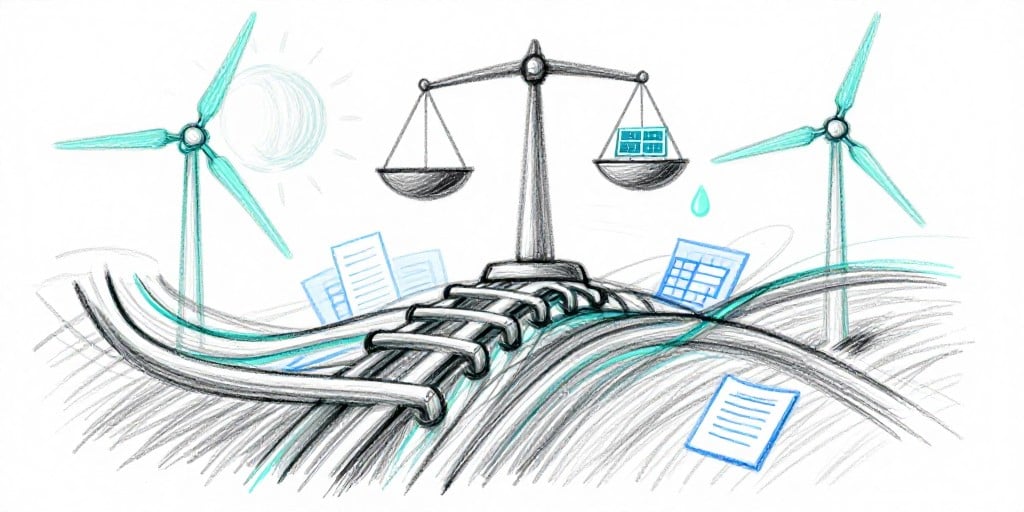
Regulatory Impacts on Utility Investment
Regulatory frameworks have evolved to incentivize clean energy while safeguarding grid reliability. Key developments in 2026 include:
- Net Energy Metering (NEM) Revisions: Several states in the U.S. increased the cap on rooftop solar installations, while others introduced tiered compensation rates to balance consumer savings with utility revenue recovery.
- Carbon Pricing: The European Union’s Emissions Trading System (ETS) raised the baseline price to €80/tCO₂, encouraging utilities to retire legacy coal units and accelerate renewable integration.
- Grid Code Modernization: The International Electrotechnical Commission (IEC) released IEC 62443-3‑1 in 2026, standardizing cybersecurity requirements for smart grid devices, thereby reducing vulnerability risks but increasing compliance costs.
These regulatory shifts have prompted utilities to pursue diversified investment strategies, combining low‑carbon generation with flexible storage and grid‑modernization projects.
Infrastructure Investment Outlook
- Transmission Expansion: Global transmission investment is projected at $150 billion in 2026, driven by the need to interconnect renewable hubs and mitigate congestion.
- Smart Grid Deployment: Investments in advanced metering infrastructure (AMI) and grid analytics are expected to reach $20 billion, improving demand response capabilities and reducing peak load.
- Renewable Projects: The renewable capacity addition in 2026 is estimated at 110 GW, with 45 GW from solar, 35 GW from wind, and 30 GW from hydro and geothermal.
Financial analysts anticipate that utilities adopting a “grid‑first” approach—prioritizing grid modernization before adding new capacity—will achieve cost savings of up to 8 % in the medium term, while maintaining compliance with evolving standards.
Operational Challenges and Mitigation Strategies
| Challenge | Impact | Mitigation Approach |
|---|---|---|
| Frequency and voltage instability | Increased outage risk | Deploy IBRs, STATCOMs, WAMPAC |
| Renewable curtailment | Revenue loss | Expand BESS, demand response |
| Grid congestion | Transmission bottlenecks | Build high‑voltage corridors, use HVDC |
| Cybersecurity threats | Operational disruption | Implement IEC 62443-3‑1 standards |
| Regulatory uncertainty | Investment delays | Engage in policy dialogue, diversify portfolios |
Conclusion
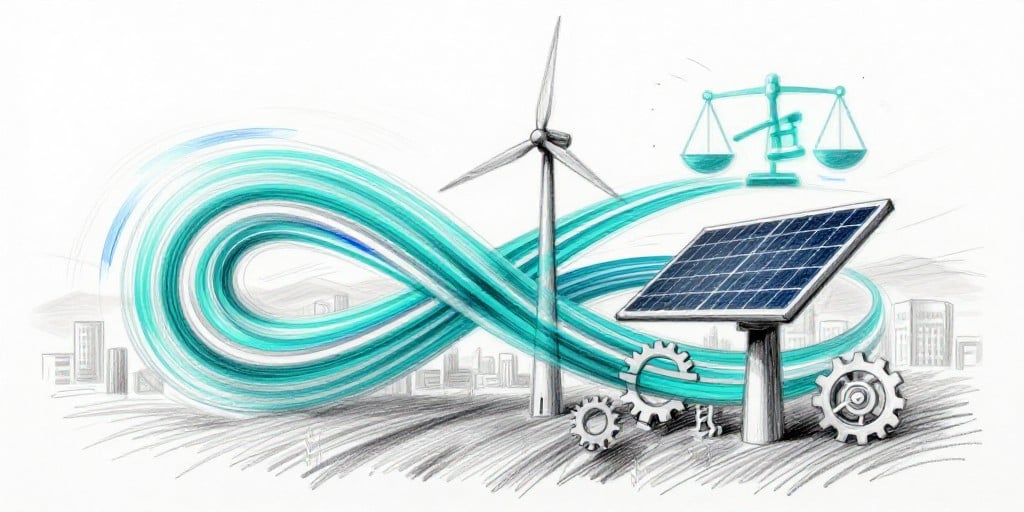
The power generation and utility sector in 2026 is navigating a complex interplay of technological innovation, economic pressures, and regulatory evolution. Grid stability hinges on rapid deployment of control technologies and storage solutions, while renewable integration continues to reshape the asset landscape. Regulatory changes—particularly around carbon pricing and grid code modernization—are accelerating the transition, but also introduce new compliance costs. Utilities that strategically invest in grid infrastructure, embrace advanced analytics, and adopt a flexible, forward‑looking approach will position themselves to capitalize on emerging opportunities while mitigating operational risks.