
Insider Buying Signals at Alliant Energy Corp.: Implications for Power Generation, Utility Operations, and Grid Stability
Alliant Energy’s latest Form 4 filing, dated April 10 2026, documents the acquisition of 513 deferred common‑stock units by Director Patrick Allen at a price of $73.10 per unit. The transaction, while modest relative to the company’s market capitalisation of $18.9 billion, arrives at a time when the share price sits near its 52‑week high of $74.40, reflecting a recent rally that may precede a potential pullback.
Contextualising the Purchase in the Utility Landscape
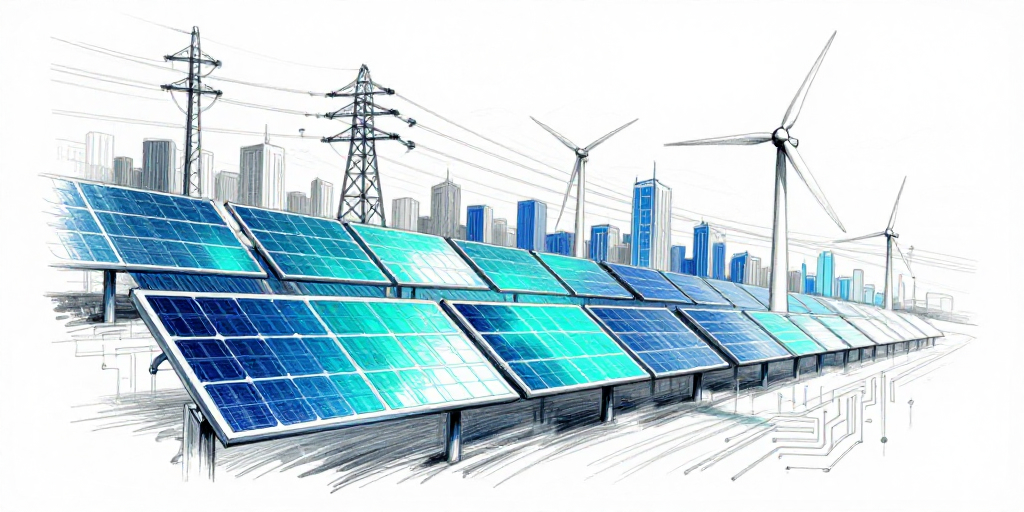
Alliant Energy operates an extensive distribution network for electricity and natural gas across the Midwestern United States, a region that has historically relied on a mix of coal, natural‑gas, and emerging renewable resources. The company’s ongoing infrastructure investments focus on upgrading transmission assets, expanding distributed generation capacity, and integrating advanced grid‑management technologies to accommodate the intermittent nature of renewable generation.
Grid Stability and Renewable Integration The Midwest’s grid has experienced heightened volatility as wind and solar penetration increases. Alliant’s commitment to real‑time monitoring, automated fault detection, and adaptive load‑management systems is designed to mitigate voltage sag and frequency deviations. The deferred unit purchase by Allen and other executives underscores confidence in the effectiveness of these technologies, as they anticipate that enhanced grid stability will translate into fewer outage events and lower operational costs.
Economic Analysis of Infrastructure Investment Alliant’s capital allocation strategy prioritises projects with an internal rate of return (IRR) exceeding 12 %, a threshold that balances the need for long‑term reliability with shareholder returns. The company’s 2026 earnings estimate supports a price‑earnings ratio of 23.3, above the sector average, suggesting that investors expect continued growth from its diversified asset base. The incremental buying pattern observed among directors—characterised by small, spaced purchases rather than large block trades—indicates a long‑term view that aligns management’s interests with those of shareholders.
Regulatory Landscape and Its Impact on Operational Challenges
Regulatory bodies, including the Federal Energy Regulatory Commission (FERC) and state public utility commissions, are tightening requirements for decarbonisation and grid resilience. Alliant has secured several recent approvals for renewable‑energy projects and grid‑enhancement initiatives, positioning it favourably to meet upcoming mandates. The company’s debt profile remains moderate, with a debt‑to‑EBITDA ratio of 1.8×, which provides a buffer to absorb potential regulatory cost increases without compromising capital deployment for infrastructure upgrades.
Investor Takeaways
- Insider Confidence – The cumulative buying activity of Patrick Allen and six other executives signals management’s belief in Alliant’s long‑term value proposition, especially in the context of evolving grid technologies and regulatory compliance.
- Potential Upside – The company’s robust cash flow generation, coupled with a supportive earnings outlook, presents a modest upside for investors seeking exposure to the utility sector’s transition to cleaner energy sources.
- Risk Factors – Macro‑economic headwinds, such as interest‑rate fluctuations and commodity‑price volatility, remain potential constraints on capital expenditures and debt servicing.
Conclusion
Alliant Energy’s recent insider buying activity should be viewed as a cautious endorsement of the company’s strategic trajectory, encompassing grid stability initiatives, renewable‑energy integration, and a disciplined investment approach. While insider purchases do not guarantee future performance, they provide a useful barometer of management’s confidence, particularly in a utility environment where infrastructure reliability and regulatory compliance are paramount. Investors may consider these signals in the broader context of the sector’s transition to a low‑carbon, high‑resilience grid.