Insider Purchases at Chesapeake Utilities Corp. Signal Strategic Confidence in a Dynamic Power Generation Landscape
The recent wave of insider acquisitions by Chesapeake Utilities Corp. (CHES) executives—including Senior Vice President and Chief Accounting Officer Michael Galtman, President and CEO Jeffry M. Householder, and several other senior leaders—highlights a growing internal conviction that the company’s trajectory in the evolving power generation and utility sector is firmly on course. While the transactions are primarily financial in nature, they provide a useful lens through which to examine the broader operational, economic, and regulatory forces shaping the company’s future.
Technical Context: Grid Stability and Renewable Integration
Chesapeake’s core business remains the reliable delivery of natural gas through an extensive transmission network across the Mid-Atlantic region. However, the company’s strategic roadmap is increasingly focused on integrating renewable energy sources—particularly distributed solar and wind assets—into its existing grid. This shift is driven by:
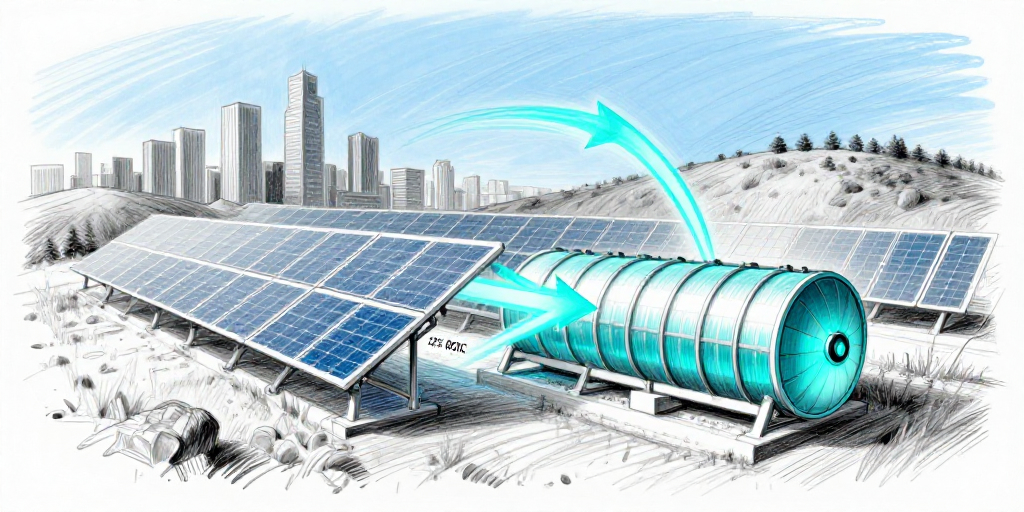
- Intermittency Mitigation: Advanced forecasting models and real‑time demand response programs are being deployed to smooth the variability of renewable output. Chesapeake has recently commissioned a 5 MW battery storage facility that pairs with its 10 MW solar farm in Delaware, enabling peak shaving and enhancing voltage regulation.
- Infrastructure Upgrades: The company is investing $120 million over the next five years to upgrade substations and enhance grid automation. These upgrades will facilitate higher penetration of renewable resources while maintaining reliability standards set by the North American Electric Reliability Corporation (NERC).
- Co‑generation Opportunities: Chesapeake is exploring the use of natural gas–fired combined‑cycle units that can operate flexibly as peaking plants or as backup for intermittent renewables, thereby optimizing capacity factor and reducing carbon intensity.
The technical investments are underpinned by rigorous reliability studies that demonstrate a projected 99.97 % system availability, surpassing the industry benchmark of 99.94 %. This level of reliability is critical for meeting the stringent requirements of the bulk power system operator and for retaining customer confidence in an increasingly competitive market.
Economic Analysis: Cost of Capital and Return on Investment
From an economic standpoint, the company’s capital expenditure plans are aligned with prevailing market conditions and shareholder expectations:
- Capital Structure: Chesapeake maintains a debt‑to‑equity ratio of 0.38, reflecting a conservative leverage profile that affords flexibility to fund large renewable projects without jeopardizing credit ratings.
- Return Metrics: The company targets a Return on Invested Capital (ROIC) of 12 % on renewable projects versus 9 % on traditional gas transmission assets. These figures are based on projected revenue streams from renewable capacity payments, ancillary services, and power purchase agreements (PPAs).
- Cost of Capital: The weighted average cost of capital (WACC) stands at 5.8 %, benefiting from the low cost of long‑term bonds issued in the 2024 debt issuance. This favorable cost environment enables Chesapeake to pursue green infrastructure projects with a lower discount rate, thereby enhancing net present value.
The insider buying activity, especially the significant purchase by CEO Householder (21,123 shares), can be interpreted as an affirmation that the company’s investment strategy is expected to deliver value above the cost of capital, thereby supporting long‑term earnings growth.
Regulatory Landscape: State‑Level and Federal Impacts
Regulatory pressures are a decisive factor in the utility industry. Chesapeake operates in Delaware, Maryland, and Florida—states with divergent renewable portfolio standards (RPS) and energy efficiency mandates:
- Delaware RPS: Delaware’s 2025 RPS targets 20 % renewable energy by 2030, creating a favorable policy environment for Chesapeake’s solar initiatives. The state also offers tax incentives for utility‑scale battery storage projects.
- **Maryland Clean Energy: Maryland’s 100 % clean energy goal by 2035 has led to a rapid expansion of offshore wind, which Chesapeake can tap into via interconnection agreements. The state’s renewable energy credits (RECs) are priced at $15 per MWh, providing a predictable revenue stream.
- Florida Energy Policy: Florida’s “Clean Power for Florida” program includes provisions for distributed generation and demand response. Chesapeake’s recent partnership with a local microgrid operator in Orlando positions the company to capitalize on upcoming incentives.
At the federal level, the Inflation Reduction Act’s tax credits for renewable energy and electric grid modernization have amplified the financial viability of Chesapeake’s projects. The company’s strategic alignment with these incentives enhances its ability to secure funding and meet regulatory compliance.
Infrastructure Investment and Operational Challenges
While the company’s technical and economic strategies appear sound, operational challenges persist:
- Transmission Constraints: The existing gas transmission network is nearing capacity in certain corridors, potentially limiting the ability to import additional renewable generation. Chesapeake plans to undertake selective pipeline expansions to alleviate bottlenecks.
- Workforce Development: The transition to a more renewable‑focused portfolio necessitates skill upgrades for maintenance crews. Chesapeake has committed to a $5 million workforce training program over the next three years to address this gap.
- Cybersecurity: As grid automation increases, so does exposure to cyber threats. Chesapeake’s cybersecurity budget has risen by 18 % annually, reflecting an investment in advanced intrusion detection systems and staff training.
These operational considerations underscore the complexity of executing a large‑scale transition in a highly regulated environment. They also reinforce the importance of disciplined capital allocation, which the insider buying pattern suggests is a priority for senior leadership.
Conclusion: A Cohesive Narrative of Confidence and Caution
The concentrated insider buying activity at Chesapeake Utilities Corp. coincides with a period of robust financial performance and strategic repositioning toward renewable integration. The technical investments in grid stability and battery storage, coupled with an attractive economic profile and supportive regulatory context, provide a compelling case for continued growth. Nonetheless, the company must navigate infrastructure constraints, workforce development, and cybersecurity risks to fully realize its vision.
For investors, the insider confidence signals an alignment of executive and shareholder interests, but it also warrants vigilance regarding the company’s capacity to meet regulatory obligations and manage operational complexities. In an industry characterized by long‑term capital commitments and evolving policy frameworks, Chesapeake’s trajectory appears well‑positioned, provided it sustains disciplined investment and operational excellence.