Insider Activity at Copel Signals Strategic Confidence
On March 18, 2026, Sales Director Pedro Franco reported a holding of 228,544 common shares of Copel (CPLE), the Brazilian electric‑utility listed on the NYSE. The transaction was a holding—no sale or purchase was made—yet its timing is noteworthy. It coincides with a broader pattern of insider engagement and follows the company’s recent announcement of two new hydroelectric contracts that will add 1,860 MW of capacity over 15 years.
Market Context and Investor Reaction
Copel’s share price ticked up a modest 0.02 % to $11.90. Despite the negligible price movement, social‑media activity around the filing surged 360 % above the baseline, indicating that investors are paying close attention to insider filings even when the trade itself is passive. In the utilities sector, where long‑term cash flows and regulatory frameworks provide a stable backdrop for value creation, such heightened chatter often signals that market participants are interpreting insider activity as a signal of confidence in the company’s growth thesis.
Executive Confidence Beyond Franco
Franco is not the sole insider active during this period. Four other directors—Candido Marco Antonio Barbosa, Martins Viviane Isabela de Oliveira, Junior Geraldo Correa de Lyra, and Malczewski Marcel Martins—each recorded two transactions in recent filings, all categorized as holdings. When multiple directors maintain or increase their stakes, it can be a subtle but powerful signal that the management team believes the stock is undervalued or poised for upside. This phenomenon is especially pronounced in a utility firm where stable regulatory environments and long‑term cash flows underpin sustainable growth.
Strategic Implications of the Hydro Contracts
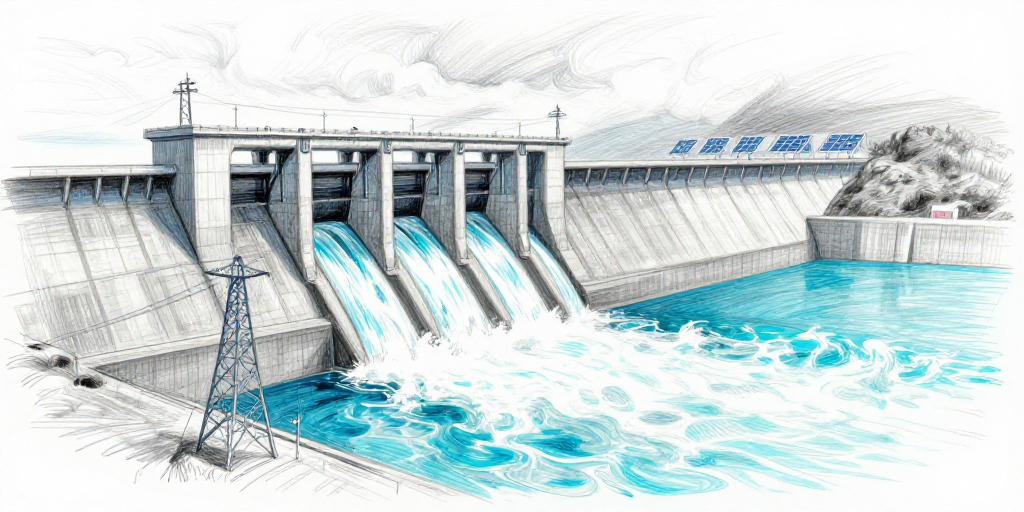
The 2026 hydroelectric contracts represent a strategic shift toward renewable generation, aligning Copel with global energy‑transition trends. The contracts will deliver a steady, inflation‑linked revenue stream and bolster the company’s long‑term growth prospects. Copel’s capital structure remains leveraged but within its established financial policy, mitigating risk for shareholders. With a market capitalization of approximately $8.3 billion and an annual share‑price gain of 81.8 %, Copel has already outperformed its peers in the utilities sector.
Regulatory Environment and Competitive Landscape
Brazil’s regulatory framework for utilities, governed by the Agência Nacional de Energia Elétrica (ANEEL), provides clear guidelines for hydroelectric project approvals and tariff structures. Copel’s recent contracts have been vetted by ANEEL, ensuring compliance with national energy policy objectives. In the competitive landscape, Copel faces competition from other state‑owned and private utilities, yet its diversified generation portfolio and strong regulatory standing give it a competitive advantage. The company’s focus on renewable generation positions it well to capture market share as Brazil accelerates its transition to cleaner energy sources.
Risks and Opportunities
| Risk | Description | Mitigation |
|---|---|---|
| Regulatory Change | Potential shifts in ANEEL policies or tariff adjustments | Diversified portfolio and long‑term contracts |
| Construction Delays | Delays in hydroelectric project implementation | Robust project management and contingency funding |
| Commodity Price Volatility | Impact on operating costs | Hedging strategies and cost‑control measures |
| Opportunity | Description | Expected Impact |
|---|---|---|
| Renewable Energy Expansion | Growing demand for clean energy in Brazil | Revenue growth and ESG credibility |
| Regional Market Entry | Expansion into neighboring markets | Diversified revenue streams |
| Technological Innovation | Adoption of advanced hydro technologies | Operational efficiency and cost savings |
Outlook
The combination of insider confidence, robust growth initiatives, and a stable regulatory environment positions Copel favorably for sustained shareholder value. While Franco’s filing itself is a holding, the broader context—active insider transactions, a high‑profile contract announcement, and intense market buzz—indicates that the management team believes Copel’s future prospects are strong. Investors who track insider holdings may interpret Franco’s continued stake as an endorsement of Copel’s hydroelectric strategy and its potential to lift earnings.
| Date | Owner | Transaction Type | Shares | Price per Share | Security |
|---|---|---|---|---|---|
| N/A | Sales Pedro Franco | Holding | 228,544.00 | N/A | Common Shares |
| N/A | Sales Pedro Franco | Holding | N/A | N/A | Restricted Stock Units (“RSUs”) |
| N/A | Candido Marco Antonio Barbosa | Holding | 24,844.00 | N/A | Common Stock |
| N/A | Candido Marco Antonio Barbosa | Holding | N/A | N/A | Restricted Stock Units (“RSUs”) |
| N/A | Martins Viviane Isabela de Oliveira | Holding | 24,844.00 | N/A | Common Stock |
| N/A | Martins Viviane Isabela de Oliveira | Holding | N/A | N/A | Restricted Stock Units (“RSUs”) |
| N/A | Junior Geraldo Correa de Lyra | Holding | 24,844.00 | N/A | Common Stock |
| N/A | Junior Geraldo Correa de Lyra | Holding | N/A | N/A | Restricted Stock Units (“RSUs”) |
| N/A | Malczewski Marcel Martins | Holding | 113,453.00 | N/A | Common Stock |
| N/A | Malczewski Marcel Martins | Holding | N/A | N/A | Restricted Stock Units (“RSUs”) |