
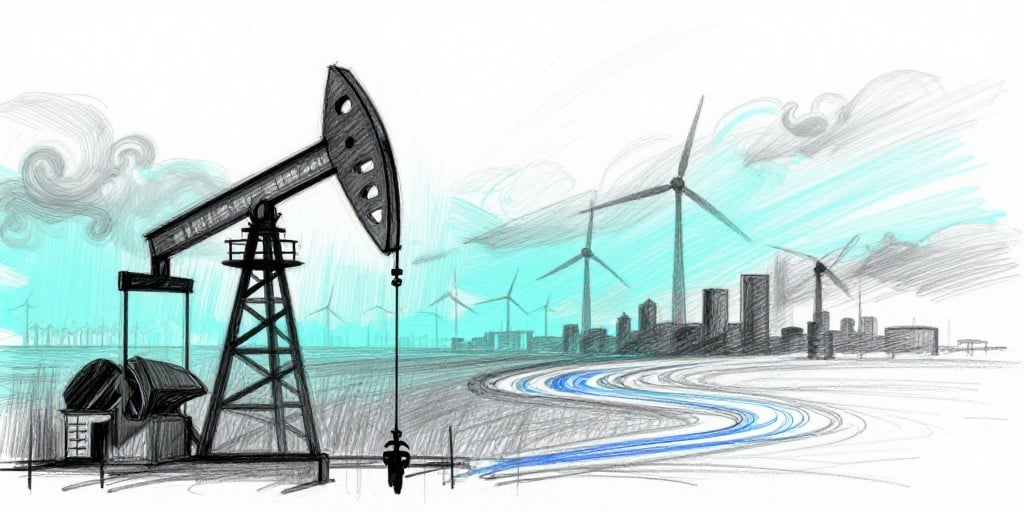
Energy Market Dynamics: Production, Storage, and Regulatory Interplay
1. Overview of Current Market Conditions
The global energy landscape in 2026 is characterized by a confluence of rising demand, evolving storage capabilities, and a shifting regulatory environment. Traditional fossil‑fuel production continues to dominate the supply mix, yet renewable installations are expanding at a rapid pace, driven by both economic incentives and geopolitical pressures. In this context, the interplay between production levels, storage infrastructure, and regulatory frameworks determines price volatility and investment priorities across both sectors.
2. Production Trends in Conventional Energy
Oil and Gas Extraction
- Output Growth: Global crude oil production increased by 1.3 % year‑over‑year, reflecting a rebound from the 2024 supply contraction that followed geopolitical tensions in the Middle East.
- Reserve Longevity: Mature basins in North America and the Middle East are being augmented by enhanced recovery techniques, extending the life of existing fields but adding only marginal incremental output.
- Capital Expenditure: Investment in new offshore projects has accelerated, especially in deep‑water Gulf of Mexico and the Norwegian sector, where regulatory approvals have been streamlined under post‑pandemic fiscal incentives.
Coal and Natural Gas
- Coal Decline: Coal production has fallen 2.5 % globally, largely due to carbon‑pricing mechanisms and the rapid electrification of transportation and industry.
- Natural Gas Resurgence: Liquefied natural gas (LNG) volumes rose 4.1 % as Europe’s energy security concerns drove imports from the U.S., Australia, and Qatar. This surge has prompted pipeline expansions in the United States and the construction of new regasification terminals across the Mediterranean.
3. Storage Infrastructure and Its Implications
Hydrocarbon Storage
- Oil Storage Capacity: Global crude oil storage capacity expanded by 6 % in 2025, largely through the construction of large offshore tanks and underground facilities. However, the rate of utilization remains below 30 % of total capacity, indicating a surplus that can buffer short‑term supply shocks.
- Gas Storage: Underground gas storage facilities, particularly in Europe, reached a record 8 % utilization during the winter peak in 2024. The development of high‑pressure underground storage networks has improved flexibility for balancing supply and demand.
Renewable Energy Storage
- Battery Storage: The deployment of grid‑scale lithium‑ion batteries has increased by 35 % in 2025, driven by falling cell costs and regulatory mandates for curtailment reduction.
- Hydropower Pumped Storage: New pumped‑storage projects in South America and China have added an estimated 12 GW of capacity, enhancing the ability to integrate variable renewables.
- Compressed Air and Thermal Storage: Although still nascent, these technologies are gaining traction in regions with abundant renewable potential, offering complementary storage solutions that reduce dependence on batteries.
4. Regulatory Dynamics Shaping the Energy Sector
Climate‑Policy Regulations
- Carbon Pricing: The European Union’s Emissions Trading System (EU‑ETS) has extended its reach to include shipping, imposing a carbon fee that is expected to raise average fuel costs by 3‑5 % over the next five years.
- Renewable Energy Targets: The U.S. federal government has introduced a 30 % renewable energy target for the power sector by 2030, encouraging investments in solar, wind, and storage.
Geopolitical Considerations
- Supply Chain Security: Sanctions on Russian oil and gas have accelerated diversification efforts in the U.S. and Asia, prompting new pipeline projects and LNG terminals.
- Energy Diplomacy: Countries in the Middle East are leveraging oil revenues to diversify economies, investing in renewable projects and creating bilateral agreements that influence global gas flows.
Technological Standards
- Grid Modernization: The International Electrotechnical Commission (IEC) has updated standards for smart grid interoperability, facilitating the integration of distributed energy resources (DERs) and storage systems.
- Safety and Environmental Standards: Enhanced safety protocols for offshore wind farms and LNG terminals have increased construction costs but improve long‑term operational resilience.
5. Economic Factors Influencing Investment Decisions
- Capital Availability: Low interest rates and favorable bond markets have increased the availability of capital for large infrastructure projects, particularly in renewables where upfront costs are high but operating expenses are lower.
- Price Volatility: Oil and gas prices remain sensitive to geopolitical events; however, the presence of abundant storage capacity has mitigated extreme price swings.
- Return on Investment (ROI): Renewable projects typically exhibit longer payback periods (8–12 years) but benefit from subsidy streams and declining technology costs, making them attractive for risk‑averse institutional investors.
6. Integration of Geopolitical Considerations
Geopolitical events continue to shape the supply side of energy markets. The U.S. withdrawal from the Paris Agreement and subsequent re‑entry has altered the strategic calculations for many nations, influencing both fossil‑fuel and renewable investment flows. Moreover, the shifting alliances in the Indo‑Pacific region affect LNG trade corridors, while the EU’s strategic emphasis on decarbonization creates new markets for renewable technologies.
7. Conclusion
The energy sector in 2026 is at a critical juncture where production, storage, and regulatory dynamics intersect. Traditional energy production remains resilient but increasingly constrained by carbon policies, while renewable energy continues to scale up, supported by technological advancements and favorable economics. Storage infrastructure, both for hydrocarbons and renewables, provides the necessary flexibility to manage volatility and meet demand. Regulatory frameworks, shaped by climate commitments and geopolitical realities, will dictate the pace of transition and the allocation of capital across the spectrum of energy technologies. Investors and policymakers alike must navigate these multifaceted dynamics to capitalize on emerging opportunities and mitigate risks inherent in an evolving global energy landscape.