Corporate News Analysis: Energy Markets, Production, Storage, and Regulatory Dynamics
1. Overview of the Energy Landscape
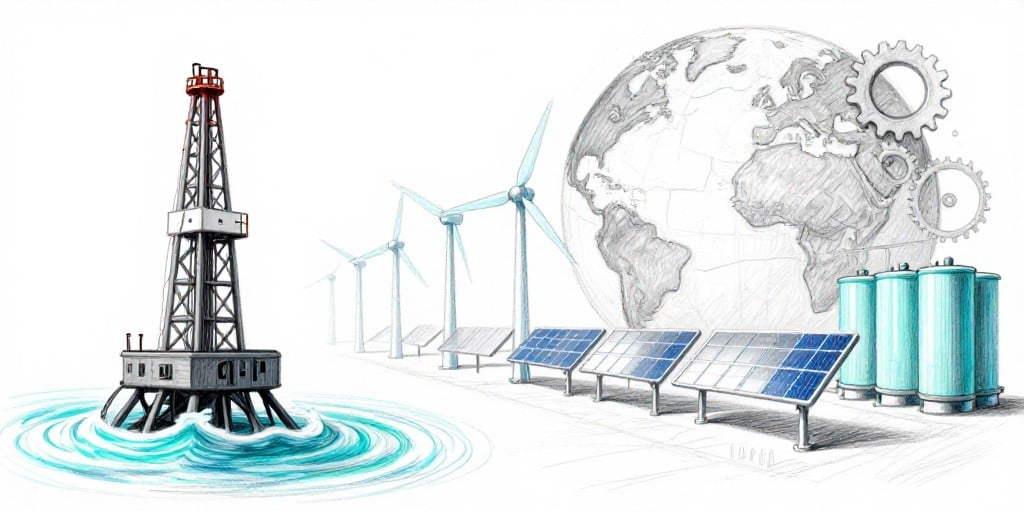
The global energy sector is experiencing a pivotal transition, with traditional hydrocarbon production intersecting rapidly expanding renewable portfolios. Production volumes for conventional oil and natural gas remain resilient, driven largely by Middle Eastern output and increased output from the Permian Basin in the United States. Simultaneously, renewable generation—particularly wind and solar—has surpassed 30% of global electricity supply in many regions, reflecting the cumulative effect of falling capital costs and supportive policy frameworks.
Storage infrastructure, both for liquid hydrocarbons and for battery and pumped‑hydroelectric systems, has become a critical enabler of supply‑demand balance. For petroleum, expanded crude storage in Gulf‑coast terminals and the deployment of floating storage and offloading units (FSOUs) in the North Sea have helped dampen price volatility. In the renewable domain, the proliferation of utility‑scale battery farms and hydrogen refuelling stations is reshaping grid stability strategies, allowing intermittent resources to be integrated without compromising reliability.
2. Technical Drivers Affecting Production and Storage
2.1 Conventional Energy
- Enhanced Recovery Techniques: In mature fields, hydraulic fracturing and CO₂ injection have extended recoverable reserves, particularly in the Permian and Bakken basins. Technological refinements in downhole monitoring reduce water usage and improve recovery rates by 3–5% annually.
- Deepwater Development: Advances in horizontal drilling and subsea pipeline engineering have lowered the cost per barrel of deepwater production, enabling projects like the Gulf of Mexico’s Eagle Ford to achieve break‑even margins closer to $50 per barrel.
2.2 Renewable Energy
- Photovoltaic (PV) Efficiency: The average module efficiency in commercial PV installations has increased from 16% to 22% over the last decade, driven by perovskite and tandem silicon technologies. This translates into higher energy yield per square meter and reduced land‑use requirements.
- Wind Turbine Scale and Turbine Control: Modern offshore turbines exceed 15 MW capacity and employ active pitch control to maximize power capture under varying wind regimes. Coupled with advanced digital twins, these turbines can predict maintenance windows and extend service life by 10–12%.
2.3 Storage Technologies
- Battery Energy Storage Systems (BESS): Lithium‑ion chemistries have achieved 100–120 Wh/kg, with cycle life extending to 5,000 cycles in commercial deployments. Energy density improvements enable larger gridscale facilities without prohibitive cost increases.
- Hydrogen Storage: Pressurized gas cylinders and cryogenic tanks are maturing, with safety protocols and cost curves improving through economies of scale. Hydrogen storage is particularly attractive for balancing large-scale wind and solar output across continents.
3. Economic Factors Shaping Market Dynamics
3.1 Fossil Fuel Economics
- Price Volatility: Brent crude has oscillated between $70 and $80 per barrel since mid‑2025, influenced by supply constraints, OPEC+ policy shifts, and geopolitical tensions in the Black Sea. A 10% price swing can alter net present value (NPV) of mid‑term projects by 5–7%.
- Capital Expenditure (CapEx): The average CapEx for a new offshore wind farm is approximately $1.5–2 billion, whereas a new upstream oil project may require $10–15 billion in CapEx, creating a higher risk profile for oil developers.
3.2 Renewable Economics
- Levelized Cost of Energy (LCOE): Onshore wind LCOE has fallen below $30 per MWh in the United States, while offshore wind now averages $50–55 per MWh, approaching the cost of conventional natural gas plants in many regions.
- Government Incentives: Net‑metering policies, tax credits (e.g., the Investment Tax Credit in the U.S.), and renewable portfolio standards have significantly improved project economics, driving a 20% annual growth in renewable capacity addition.
3.3 Market Integration
- Energy Transition Funds: Institutional investors are increasingly allocating capital to green bonds and ESG‑compliant funds, inflating valuations for renewable projects while simultaneously tightening credit spreads for traditional energy companies.
- Commodity Correlation: The correlation between oil and gold has rebounded to 0.35 post‑2025, suggesting that energy prices continue to serve as a proxy for global risk sentiment.
4. Regulatory and Geopolitical Influences
4.1 Regulatory Environment
- Carbon Pricing: The European Union’s Emission Trading System (ETS) now caps carbon allowances at €60 per tonne, prompting European oil and gas producers to pursue low‑carbon pathways or invest in carbon capture and storage (CCS).
- Renewable Subsidy Reform: The U.S. administration’s Energy Independence Act, effective 2025, has phased out subsidies for fossil fuels in certain states, accelerating the shift toward renewables.
4.2 Geopolitical Dynamics
- Middle East Tensions: The recent flare‑up in the Strait of Hormuz has triggered a temporary spike in oil prices by 5% and heightened risk premiums on shipping lanes, impacting tanker valuations and insurance costs.
- US–China Trade Relations: Tariffs on solar equipment components have risen to 20% in 2026, slowing the deployment of large‑scale PV projects in China and shifting global manufacturing hubs to Southeast Asia.
- Ukraine‑Russia Conflict: Disrupted gas flows from Russia to Europe have accelerated the diversification of gas supplies, encouraging LNG terminal expansions and boosting the viability of European renewable projects as alternative baseload solutions.
5. Implications for Corporate Strategy and Investor Outlook
The convergence of technical progress, economic shifts, and geopolitical events signals a period of strategic realignment for energy corporates:
- Portfolio Diversification: Companies that maintain a balanced mix of hydrocarbon assets and renewable investments can mitigate exposure to commodity price swings while capitalizing on growth in green infrastructure.
- Capital Allocation: Firms with strong free cash flow can invest in battery storage and CCS projects, thereby improving resilience against carbon pricing and regulatory changes.
- Risk Management: Insurers and rating agencies are adjusting risk models to account for increased geopolitical risk and the volatility of commodity prices, which may influence corporate creditworthiness.
Investors should monitor insider activity, such as the recent modest divestiture by TSAKOS ENERGY NAVIGATION LTD’s President and COO, as a potential signal of portfolio rebalancing or capital allocation shifts. However, isolated transactions are unlikely to alter the broader trajectory of a well‑positioned energy company that continues to demonstrate robust operational performance and strategic adaptability in an evolving market.