Analysis of Energy Markets: Production, Storage, and Regulatory Dynamics
The global energy landscape is undergoing a rapid transformation that is reshaping production patterns, storage capacities, and the regulatory environment. These changes are driven by a confluence of technical, economic, and geopolitical factors that affect both traditional fossil‑fuel sectors and renewable energy markets. The following analysis dissects these dynamics and outlines their implications for investors and policymakers.
1. Production Trends Across the Energy Spectrum
1.1 Conventional Oil and Gas
- Declining Conventional Reserves: Conventional on‑shore and on‑shore reservoirs in North America, the Middle East, and parts of Europe are experiencing a gradual decline in primary recovery rates. Enhanced oil recovery (EOR) techniques such as CO₂ injection and horizontal drilling are mitigating this decline but at increasing cost.
- Shale Play Resurgence: U.S. shale formations (Permian, Marcellus, and Eagle Ford) have shown a resurgence in output due to advances in hydraulic fracturing technology and tighter unit economics. However, their production curves exhibit a characteristic “shale ramp‑up” followed by a plateau, making long‑term forecasting challenging.
- North Sea and Emerging Markets: Production from the North Sea has plateaued, but emerging markets in Africa and Latin America are filling the gap, especially with state‑backed projects that are less sensitive to commodity price swings.
1.2 Renewable Energy Production
- Wind and Solar Scaling: Onshore wind and photovoltaic solar installations have surpassed 1 GW of added capacity in 2025, driven by falling module costs and supportive policy frameworks. Offshore wind, particularly in the North Sea, is expected to add 30 GW by 2030.
- Hydropower and Bioenergy Stability: Hydropower remains a stable source, but its growth is limited by environmental and regulatory constraints. Bioenergy growth is modest, largely due to stringent carbon‑intensity standards.
2. Energy Storage Evolution
2.1 Battery Storage
- Cost Trajectory: Lithium‑ion battery packs have seen a 60 % reduction in cost per kWh over the past decade, largely due to economies of scale in mining, processing, and manufacturing.
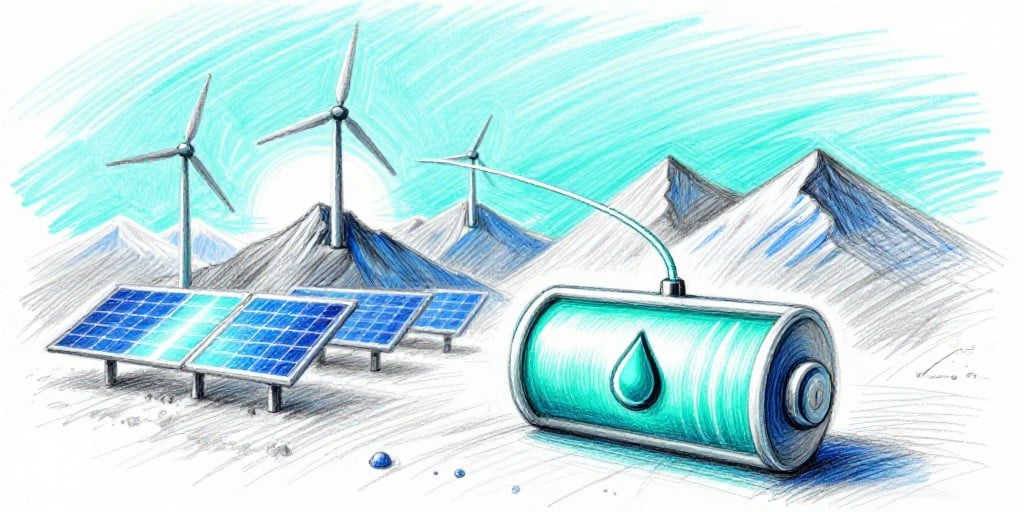
- Grid Integration: Utility‑scale storage projects are now routinely paired with intermittent renewable sources, providing frequency regulation, load shifting, and emergency backup. The penetration of grid‑scale storage is projected to reach 5 GW by 2030.
2.2 Non‑Battery Technologies
- Compressed Air Energy Storage (CAES): Emerging CAES facilities in the United States and Europe are demonstrating higher round‑trip efficiencies (up to 75 %) compared to older designs.
- Hydrogen Storage: Hydrogen, produced via electrolysis powered by excess renewable generation, offers long‑duration storage. Pilot projects in Germany and Japan are beginning to feed hydrogen into the existing natural gas grid, potentially easing the transition to low‑carbon fuels.
3. Regulatory and Policy Landscape
3.1 Carbon Pricing and Emissions Standards
- European Union: The EU Emissions Trading System (ETS) now covers approximately 80 % of EU greenhouse gas emissions. The cap is tightening by 2 % annually, increasing the cost of carbon for traditional energy producers.
- United States: The Biden administration’s Inflation Reduction Act (IRA) has introduced a 15 % carbon fee on large emitters, complemented by tax credits for renewable energy and energy efficiency projects.
- China: Beijing’s 2026 climate action plan targets a peak in CO₂ emissions by 2030 and carbon neutrality by 2060, resulting in a gradual shift toward renewable portfolios and stricter emissions controls on coal.
3.2 Subsidies and Incentives
- Renewable Portfolio Standards (RPS): Many U.S. states have set RPS targets between 30 % and 60 % by 2030, directly boosting wind and solar demand.
- Net‑Metering and Feed‑In Tariffs: While many jurisdictions are moving away from high net‑metering rates, the remaining incentives continue to support distributed generation and battery storage adoption.
3.3 Geopolitical Risks
- Middle East Oil Supply: OPEC+ production cuts and geopolitical tensions in the Gulf remain a persistent risk for global oil supply stability.
- Russian Gas: Sanctions and pipeline disruptions have increased European reliance on liquefied natural gas (LNG) from the U.S. and Qatar.
- China’s Rare‑Earth Supply Chain: Dependence on Chinese rare‑earth elements for wind turbines and batteries introduces a geopolitical lever that could constrain renewable deployment in the long term.
4. Technical and Economic Drivers
4.1 Cost Competitiveness
- Levelized Cost of Energy (LCOE): Solar PV LCOE has fallen to $0.04‑$0.05 per kWh, approaching the cost of natural gas in many regions. Wind LCOE is similarly competitive, especially in high‑capacity‑factor regions.
- Operating Costs: Renewable projects typically have lower operating expenses than oil and gas fields, which require ongoing drilling, maintenance, and environmental compliance.
4.2 Supply Chain Dynamics
- Battery Materials: Fluctuations in lithium, cobalt, and nickel prices directly affect the cost of battery storage solutions, which in turn influence the economics of renewable projects.
- Equipment Scarcity: The rapid scaling of wind and solar installations has led to temporary shortages in critical equipment such as turbines, transformers, and solar cells, temporarily raising project costs.
4.3 Market Liquidity and Investor Sentiment
- ESG Investing: Institutional capital increasingly flows into renewable infrastructure, while divestment from coal and oil continues to accelerate.
- Corporate Procurement: Major corporations are committing to 100 % renewable electricity purchases, creating a stable demand curve for renewable generation and storage assets.
5. Implications for Corporate Strategy
- Diversification: Energy companies that maintain a balanced portfolio of conventional and renewable assets are better positioned to manage carbon pricing impacts and benefit from emerging green markets.
- Investment in Storage: Integrating battery and hydrogen storage into existing power plants can unlock additional revenue streams and enhance grid services.
- Strategic Partnerships: Collaborating with technology providers and utilities can accelerate deployment of hybrid renewable‑storage solutions and mitigate supply‑chain risks.
6. Outlook
The interplay between declining fossil‑fuel production, accelerating renewable deployment, expanding storage capabilities, and tightening regulatory frameworks will continue to reshape the energy sector over the next decade. Companies that proactively align their capital allocation, technology adoption, and risk management strategies with these trends are likely to outperform their peers. Investors and policymakers must remain vigilant to both the opportunities and the risks inherent in this rapidly evolving landscape.