Energy Markets in 2026: Production, Storage, and Regulatory Dynamics
The global energy landscape continues to evolve under the dual pressures of climate ambition and geopolitical volatility. In 2026, traditional hydrocarbon producers and renewable developers alike face a complex array of technical, economic, and regulatory challenges that shape supply curves, storage capacities, and price signals.
1. Production Dynamics
1.1 Conventional Oil and Gas
- Reserves and Exploration: Mature basins such as the Permian and the Middle East remain the primary sources of new production, yet declining‑oil fields still contribute significantly to total output. Advanced drilling techniques—including hydraulic fracturing and horizontal drilling—have extended the life of many fields, but marginal plays now account for a smaller share of global supply.
- Technology Adoption: Digital twins and predictive analytics are accelerating well performance monitoring. Production rates are stabilizing at a 1‑2 % annual decline in the U.S., whereas the Middle East projects a modest 3 % growth driven by new gas projects.
- Carbon Management: Capture, utilization, and storage (CCUS) projects in the North Sea and the Gulf of Mexico are expanding, but cost overruns and limited pipeline infrastructure curb their economic viability.
1.2 Renewable Energy Production
- Solar Photovoltaic (PV): Solar output has increased by 12 % year‑on‑year, supported by declining module costs and the rollout of large‑scale utility‑scale projects in the U.S., China, and India.
- Wind Power: Offshore wind capacity has doubled since 2023, with Europe and the U.S. leading the expansion. Turbine technology now routinely achieves 11 MW per unit, improving capacity factors above 50 %.
- Energy Storage: Battery storage installations have risen by 25 % annually, driven by cost reductions in lithium‑ion chemistry and the introduction of solid‑state alternatives. Grid‑scale projects are becoming essential for managing the intermittency of renewables.
2. Storage Infrastructure and Market Implications
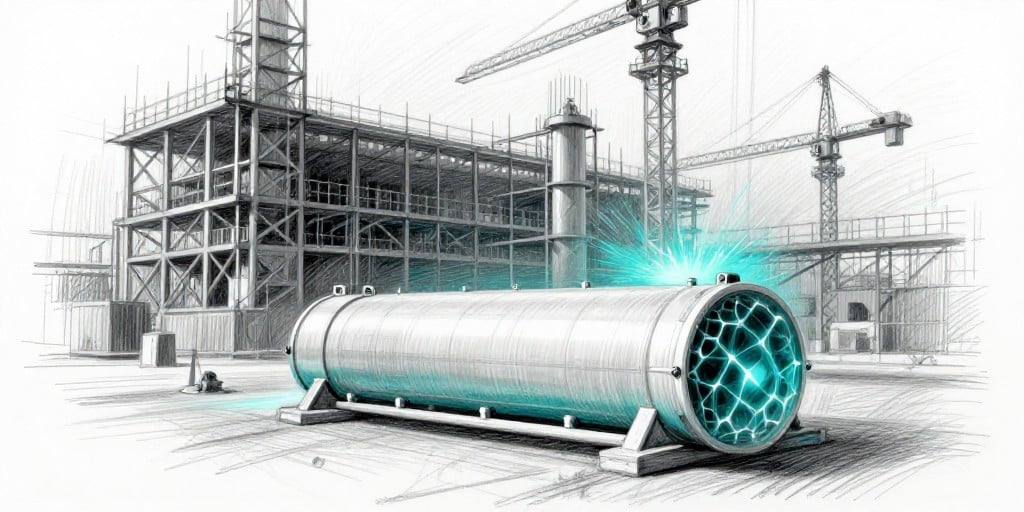
- Hydrogen Storage: The hydrogen market is gaining traction as a versatile carrier for renewable electricity. Pressurized tanks, underground caverns, and metal‑hydride technologies are scaling, yet the industry remains constrained by high capital expenditures and limited supply chains.
- Hydropower Reservoir Management: In regions with abundant hydro capacity, operators are optimizing reservoir storage to balance peak demand with renewable output. This dynamic is particularly visible in China’s Three Gorges region and the U.S. Pacific Northwest.
- Grid Integration: Coupled storage systems—battery, pumped hydro, and compressed air—are becoming integral to ancillary services, providing frequency regulation and grid stability. Regulatory frameworks increasingly incentivize storage deployment through capacity markets and performance‑based rewards.
3. Regulatory Landscape
3.1 Carbon Pricing and Emission Standards
- EU Emissions Trading System (ETS): The cap is tightened, reducing allowances by 4 % annually. The expansion to cover aviation fuel is slated for 2027, potentially raising the price of carbon for air transport.
- U.S. Federal Incentives: The Inflation Reduction Act’s tax credits for low‑carbon technologies, including the 45Q tax credit for CCUS, are boosting investment. However, the federal regulatory environment remains fragmented across states, affecting project approvals.
- China’s Greenhouse Gas Reduction Targets: China’s 2025 target of carbon intensity below 0.6 tCO₂e/MWh is driving a surge in renewable energy deployment, with the government offering subsidies for wind and solar projects.
3.2 Geopolitical Considerations
- Middle Eastern Sanctions: Ongoing sanctions on Iran and fluctuating U.S. policy toward Russia influence oil supply corridors, leading to regional price volatility.
- Energy Security in Europe: Europe’s reliance on Russian gas has prompted a pivot toward liquefied natural gas (LNG) imports from the U.S. and Qatar, with accompanying infrastructure investments.
- Technology Transfer Restrictions: Export controls on advanced energy technologies (e.g., carbon capture equipment) create supply bottlenecks for emerging markets, affecting the pace of decarbonization.
4. Economic Factors Influencing Energy Prices
- Commodity Price Volatility: Oil prices have remained in the $70–$90 per barrel range, moderated by the OPEC+ production cuts and resilient demand in Asia. Natural gas prices, however, are more volatile, with spot contracts frequently exceeding $7 per MMBtu.
- Investment Capital Flow: Venture capital and sovereign wealth funds are increasingly channeling resources into renewable infrastructure, while traditional oil and gas firms face higher risk premiums due to stranded asset concerns.
- Currency Fluctuations: The U.S. dollar’s strength dampens oil demand in emerging markets, whereas a weaker yuan and renminbi support Chinese oil imports.
5. Strategic Outlook
- Traditional Energy: Producers must invest in CCUS and enhanced oil recovery to sustain profitability while complying with tightening environmental standards. Diversification into renewable portfolios is becoming a strategic imperative.
- Renewable Energy: Continued cost reductions and technological advances will expand capacity. However, supply chain constraints for critical materials (cobalt, nickel, rare earths) and geopolitical tensions over mining regions could limit growth.
- Policy Alignment: Companies that align operations with national climate commitments and secure favorable regulatory incentives will gain a competitive edge.
In conclusion, the energy sector’s future hinges on the interplay between advancing production technologies, expanding storage solutions, and an evolving regulatory framework shaped by geopolitical realities. Investors and policymakers must monitor these interdependencies closely to anticipate market movements and guide sustainable development.