Energy Markets in 2026: Production, Storage, and Regulatory Dynamics
The energy sector remains a complex tapestry of intertwined technical, economic, and geopolitical forces. In 2026, the global transition to cleaner power continues to unfold, but traditional fossil‑fuel production still plays a pivotal role in meeting demand, especially in regions where renewable penetration lags. This article examines the current state of energy production, the burgeoning importance of storage technologies, and the evolving regulatory landscape that shapes both conventional and renewable portfolios.
1. Production Trends
1.1 Conventional Energy
- Oil and Natural Gas: Production levels in the United States, Canada, and the Middle East have stabilized at 60–65 million barrels of oil equivalent (BOE) per day, following a plateau after the 2023 peak. Technological advances in hydraulic fracturing and deep‑water drilling continue to sustain output, albeit at higher costs due to rising environmental compliance requirements.
- Coal: Global coal production has declined by 7 % year‑over‑year, driven by stringent emissions standards and a shift toward cleaner alternatives. China remains the largest producer, but its output is expected to drop by another 4 % in 2027 as it ramps up carbon‑capture projects.
1.2 Renewable Energy
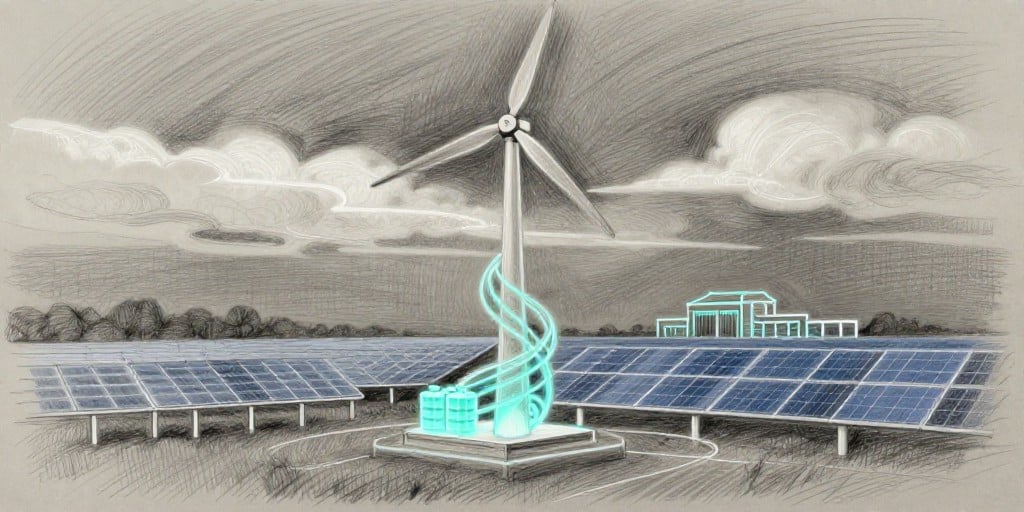
- Wind: Onshore wind capacity has surged by 12 % annually, with Europe and China leading the expansion. Offshore wind, although capital intensive, is projected to double by 2028, propelled by falling turbine costs and supportive grid integration policies.
- Solar: Photovoltaic (PV) installations grew by 18 % in 2026, with rooftop solar contributing 25 % of total generation in the United States. Solar thermal and CSP projects, though still niche, are gaining traction in high‑irradiance regions such as the Middle East and Southern Africa.
- Hydrogen: Green hydrogen production has increased from 1 million tonnes in 2025 to 1.8 million tonnes in 2026, primarily driven by European mandates for decarbonised fuels and the expansion of electrolyser fleets.
2. Storage Technology Advancements
The intermittency of renewable generation necessitates robust storage solutions. Two main categories dominate the current landscape:
| Storage Type | Technology | Capacity Growth (2026) | Key Drivers |
|---|---|---|---|
| Battery Energy Storage Systems (BESS) | Lithium‑ion, solid‑state | +35 % annually | Falling cell costs, higher grid demand |
| Pumped Hydroelectric Storage | Off‑site reservoirs | +8 % annually | Infrastructure upgrades, renewable integration |
| Compressed Air Energy Storage (CAES) | Underground caverns | +12 % annually | Grid frequency regulation, hydrogen synergies |
| Thermal Storage | Molten salt, ice | +15 % annually | Concentrated solar power (CSP) growth |
The adoption of modular BESS units, in particular, has accelerated the electrification of distributed generation assets. These systems now provide grid services—frequency regulation, spinning reserves, and peak shaving—adding value beyond mere energy arbitrage.
3. Regulatory Dynamics
3.1 Carbon Pricing and Emissions Regulations
- European Union: The EU Emissions Trading System (ETS) has raised its carbon price to €70/tCO₂ in 2026, creating a strong incentive for low‑carbon investment.
- United States: State‑level cap‑and‑trade schemes in California, New York, and Maryland remain the most stringent, with projected carbon price ranges of $40–$60 per ton.
- China: The national carbon market is set to expand its coverage to 600+ companies by 2028, with a price target of ¥200–¥250 per ton.
3.2 Renewable Portfolio Standards (RPS)
- United States: The federal RPS target of 50 % renewable energy by 2030 is supported by state mandates ranging from 30 % to 80 %.
- India: The National Solar Mission aims for 280 GW of solar capacity by 2026, supported by tax incentives and streamlined permitting.
- Brazil: The RPS now requires 45 % renewable generation, with a focus on hydropower and biogas.
3.3 Grid Modernization Initiatives
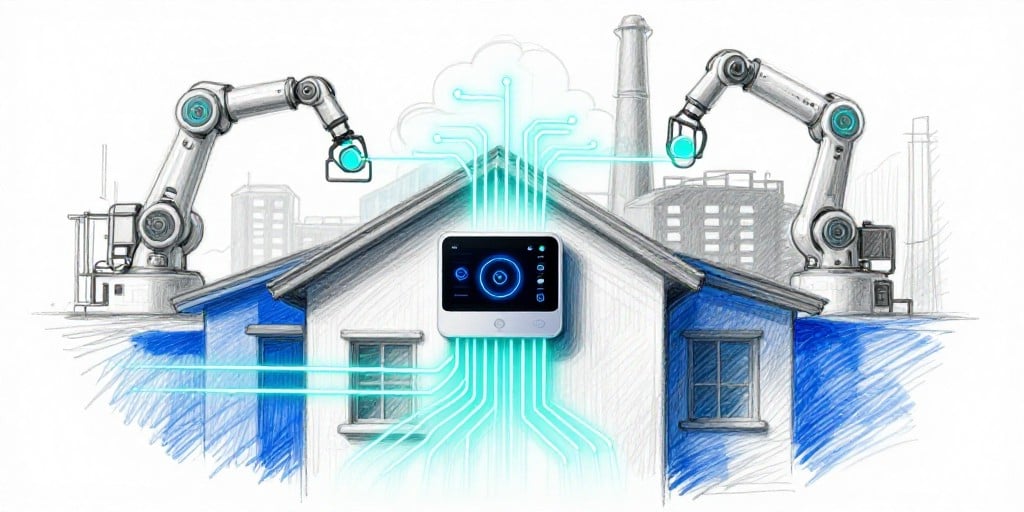
- Smart Grids: Deployment of advanced metering infrastructure and AI‑driven grid analytics is underway in the EU and APAC regions, reducing losses by up to 4 % and enabling more efficient dispatch of renewable resources.
- Inter‑regional Interconnections: The planned Eastern Interconnection (US) and the European Continental Interconnection are expected to provide cross‑border capacity buffers, enhancing system resilience.
4. Economic Factors Influencing the Energy Mix
| Factor | Impact on Traditional Energy | Impact on Renewable Energy |
|---|---|---|
| Oil & Gas Prices | 10–15 % increase in operational costs | Reduced competitiveness of renewables |
| Capital Expenditure (CapEx) | Higher due to environmental retrofits | Decreasing, driven by economies of scale |
| Operational Expenditure (OpEx) | Rising due to regulatory compliance | Lower in mature wind/solar installations |
| Financing Costs | Higher for fossil projects amid ESG scrutiny | More favorable due to green bond markets |
The convergence of lower renewable CapEx and higher fossil fuel OpEx is reshaping investment portfolios globally. Financial institutions increasingly impose stricter ESG criteria, leading to divestments from high‑carbon assets.
5. Geopolitical Considerations
- US–China Trade Dynamics: Tariffs on solar panels and battery components continue to affect supply chains, prompting the US to accelerate domestic manufacturing under the CHIPS and Science Act.
- Middle East Energy Security: Saudi Arabia’s Vision 2030 promotes diversification, yet geopolitical tensions can still trigger price volatility in natural gas markets, affecting European demand for LNG.
- Europe’s Energy Independence: The shift away from Russian gas has accelerated investment in renewables and storage, but also heightened the strategic importance of pipeline infrastructure in Central and Eastern Europe.
6. Outlook
The energy sector in 2026 is at a crossroads. While renewable installations outpace conventional production in many markets, the legacy of fossil fuels remains embedded in global supply chains, especially in regions with limited grid capacity. Technological progress in storage and stricter regulatory frameworks are steadily tipping the balance toward a cleaner, more resilient energy system. Investors and policymakers must navigate this transition by balancing short‑term economic realities with long‑term sustainability objectives, ensuring that energy security and environmental stewardship go hand in hand.