Energy Markets Outlook: Production, Storage, and Regulatory Dynamics
Production Landscape
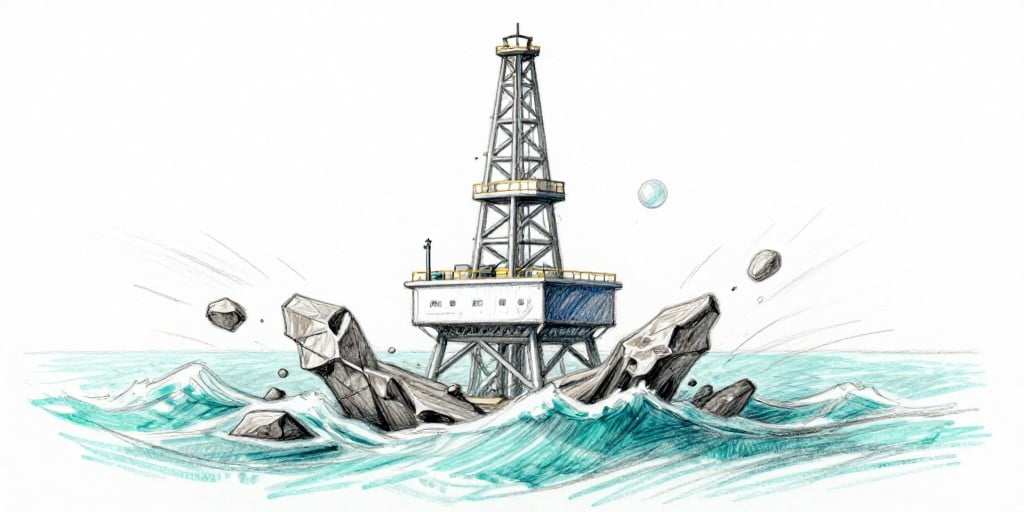
The global energy production mix is undergoing a measurable shift. Traditional fossil‑fuel output remains the backbone of supply, yet the share of renewable sources is rising at an accelerated pace. In 2026, oil and natural gas production in the United States plateaued at roughly 12 million barrels per day, a level that reflects a balance between new discoveries and the gradual phase‑out of older wells. Conversely, solar photovoltaic capacity added an additional 9 GW of installed power in the first quarter, while wind farms across Europe contributed an extra 4 GW. These figures illustrate that while conventional production maintains stability, renewable construction is gaining traction in terms of capital expenditure and output.
Technological advances such as enhanced oil recovery (EOR) and horizontal drilling have extended the productive lifespan of many mature fields, but the marginal cost of extracting hydrocarbons is rising. This economic reality is driving many operators to pivot toward lower‑carbon projects, especially where carbon‑pricing mechanisms and renewable subsidies create more favorable risk‑return profiles.
Storage Capabilities
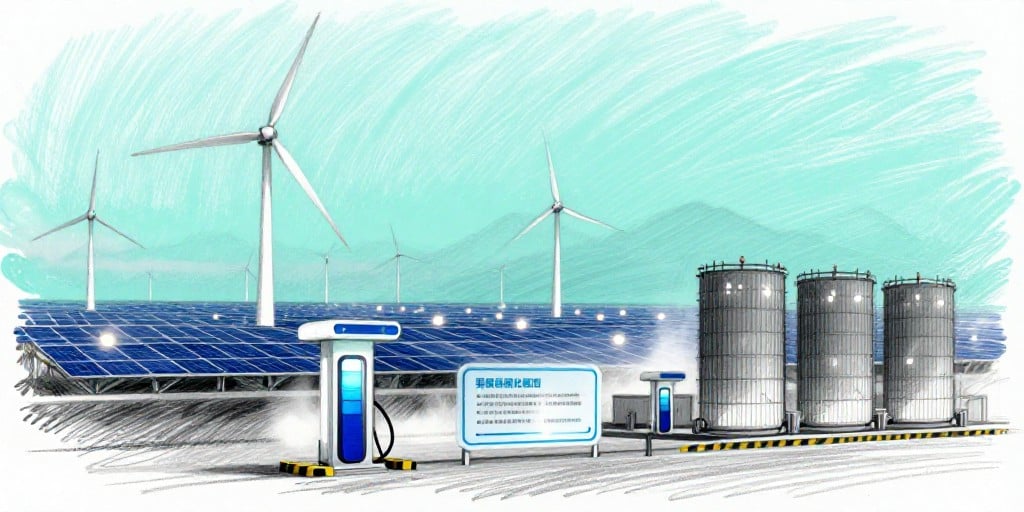
Energy storage continues to be a pivotal component of market stability. The deployment of grid‑scale battery systems has expanded by 35 % in 2026, driven by policy incentives and declining lithium‑ion costs. In addition to batteries, large‑scale hydrogen storage projects have begun to surface in regions with abundant renewable output, such as the Middle East and Western Australia. These projects aim to capture excess renewable generation and provide a flexible dispatchable resource.
From a regulatory perspective, the European Union’s 2026 Directive on Energy Storage emphasizes the integration of storage assets into national balancing markets. This directive requires member states to establish performance standards and market participation rules, thereby reducing technical barriers for storage operators. The United States, meanwhile, has implemented the Energy Storage Incentive Program, offering tax credits that directly target commercial storage projects, fostering a more favorable economic environment.
Regulatory Dynamics
Regulatory frameworks are increasingly focused on decarbonization and grid reliability. The U.S. Federal Energy Regulatory Commission (FERC) recently updated its Renewable Energy Standard (RES) to include a “green hydrogen” quota, compelling utilities to source a portion of their hydrogen from renewable processes. In addition, the International Energy Agency (IEA) has called for stricter emissions reporting standards for major oil‑producing nations, creating a more transparent supply chain.
On the renewable side, the International Renewable Energy Agency (IRENA) has published updated guidelines on permitting processes, aiming to cut the average approval time for solar and wind projects from 12 to 6 months. This acceleration is expected to lower the opportunity cost of renewable projects, enhancing their competitiveness against traditional fuels.
Technical and Economic Factors
Traditional Energy Sector
- Production Costs: The breakeven price for U.S. shale production is hovering around $60 per barrel, reflecting increased drilling costs and lower natural gas prices. This threshold has implications for commodity pricing and investment decisions.
- Carbon Pricing: With the introduction of a carbon tax in Canada and the expansion of the EU Emissions Trading System (ETS), producers face additional compliance costs that may be passed on to consumers, potentially dampening demand.
Renewable Energy Sector
- Capital Expenditure (CapEx): The average CapEx for solar PV has fallen by 22 % over the past three years, mainly due to economies of scale and improved manufacturing processes. Wind CapEx has similarly decreased, especially for offshore projects that benefit from modular design and shared logistics.
- Levelized Cost of Energy (LCOE): LCOE for solar and onshore wind is now under $30 per megawatt hour in many markets, competing directly with natural gas peaker plants. This cost parity is accelerating the deployment of renewable portfolios.
Geopolitical Considerations
- Supply Chain Security: The U.S. has intensified efforts to diversify its supply of critical minerals, such as lithium and cobalt, to reduce reliance on China. This strategy is supported by the National Defense Authorization Act (NDAA) amendments that encourage domestic mining and recycling.
- Energy Independence: Russia’s continued supply disruptions in Eastern Europe have spurred a renewed focus on domestic renewable energy capacity, thereby reducing geopolitical leverage over energy prices.
- Trade Policies: The United States‑China trade tensions have influenced the pricing of solar panels, with tariffs leading to higher import costs. However, recent negotiations have begun to ease some of these barriers, potentially stabilizing global pricing structures.
Outlook
The convergence of falling renewable costs, supportive regulatory frameworks, and escalating geopolitical pressures on traditional energy sources suggests a sustained shift toward a diversified energy mix. Companies that integrate flexible storage solutions and invest in low‑carbon technologies are likely to capture a larger share of the market, while traditional producers must adapt to a landscape that increasingly favors decarbonization and supply-chain resilience. Investors should therefore monitor policy developments, cost trajectories, and supply‑chain dynamics as key indicators of future market performance.