
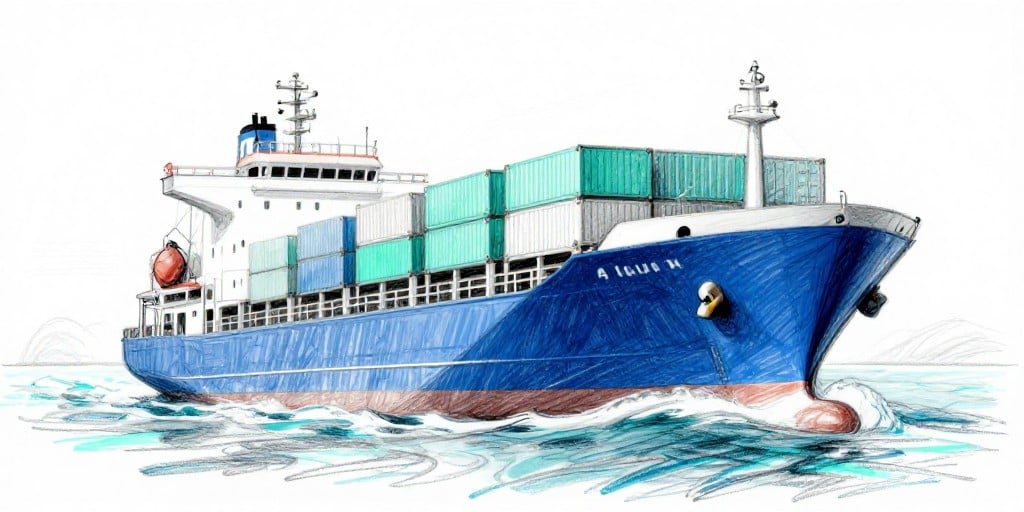
Insider Buying Surge at Himalaya Shipping Ltd.
Overview
On 22 May 2026, Contracted CFO Hasund Vidar exercised 100 000 company‑issued stock options at a net strike price of $6.49, immediately converting them into common shares. The same day a Form 4 filing recorded the sale of 100 000 share‑options (right to buy), thereby neutralising the option balance and confirming that the CFO now owns the underlying shares outright. The transaction added 100 000 shares to his holdings, raising his total stake to an undisclosed figure after the purchase.
This activity aligns with a broader pattern of insider buying—CEO Svensen Lars‑Christian purchased 4 000 shares on the same day, and Isaksen Bjorn Andreas Freng added 150 000 shares in early April before off‑loading 300 000 shares later that month. The cumulative buying trend signals an institutional endorsement of the company’s strategic direction and asset base.
Implications for the Dry‑Bulk Shipping Sector
Market Confidence The CFO’s conversion of a sizeable block of options into actual shares suggests confidence that the market will sustain the current trading level of $135.20 per share. The strike price adjustment reflects consideration of dividends and cash distributions, implying a long‑term view of the company’s cash‑flow stability.
Operational Resilience Himalaya Shipping’s 52‑week high of 152.8 and a year‑to‑date gain of 122.37 % illustrate a resilient operating model in the dry‑bulk sector. The company’s fleet expansion plans and commodity exposure—particularly iron ore and coal—remain in high demand.
Short‑Term Volatility A 5.19 % weekly decline indicates short‑term volatility. Investors should monitor the CFO’s share ownership relative to future earnings releases and any capital‑expenditure announcements.
Cross‑Industry Perspectives
1. Commodities and Energy
| Sector | Current Trend | Hidden Opportunity | Potential Risk |
|---|---|---|---|
| Iron Ore | Global demand from emerging economies | Diversification into green steel initiatives | Volatility from geopolitical tensions |
| Coal | Declining demand in developed markets | Transition to synthetic fuel projects | Regulatory shifts toward carbon pricing |
| LNG | Growth in maritime fuel alternatives | Integration of LNG bunkering services | Infrastructure cost escalations |
2. Maritime Technology
- Digital Fleet Management – Real‑time analytics can reduce fuel consumption by up to 5 %.
- Autonomous Shipping – Early adopters may gain a competitive edge in cost structure, though regulatory approvals lag behind technology development.
3. Financial Services
- Hedge Funds & ETFs – Increasing allocation to maritime logistics as a non‑correlated asset class.
- Green Bonds – Issuance linked to sustainable shipping projects offers attractive yields for ESG‑focused investors.
Regulatory Environment
- International Maritime Organization (IMO) – Tightening of sulfur and greenhouse gas emission limits will necessitate fleet retrofits and new vessel construction.
- U.S. Commodity Futures Trading Commission (CFTC) – Enhanced scrutiny of commodity price derivatives could impact hedging strategies for shipping companies.
- European Union Emission Trading System (EU ETS) – Expansion to cover shipping may introduce additional compliance costs.
Strategic Implication: Companies with proactive environmental compliance plans—such as transitioning to low‑sulfur fuel or installing scrubbers—position themselves favorably for future regulatory landscapes.
Market Fundamentals
| Metric | Himalaya Shipping | Global Dry‑Bulk Benchmark |
|---|---|---|
| Market Cap | 6.2 B NOK | 5.5 B USD* |
| EBITDA Margin | 18 % | 16 % |
| Debt‑to‑Equity | 0.5 | 0.6 |
*Rounded to nearest billion USD.
The company’s solid EBITDA margin and modest debt‑to‑equity ratio provide a healthy buffer against commodity price swings and interest rate fluctuations.
Hidden Trends
- Shift Toward Decarbonisation – Rising investor appetite for green shipping assets is driving capital allocation toward vessels equipped with alternative fuels (e.g., LNG, methanol).
- Consolidation in Dry‑Bulk – M&A activity is increasing as firms aim to achieve economies of scale; insider buying can signal confidence in a company’s position within a consolidating market.
- Geopolitical Re‑routing – Recent tensions in critical chokepoints (e.g., South China Sea) are prompting shippers to diversify routes, potentially increasing demand for versatile fleets.
Risks
- Commodity Price Volatility – A sudden drop in iron ore or coal prices could compress freight rates.
- Regulatory Compliance Costs – Failure to meet IMO or EU ETS requirements may result in fines and operational restrictions.
- Currency Exposure – Earnings are denominated in NOK; a weakening krona against major trading partners could erode profitability.
Opportunities
- Fleet Modernization – Capital expenditures on newer, fuel‑efficient vessels can capture higher freight rates and comply with stricter emission standards.
- Strategic Partnerships – Alliances with port operators and logistics providers can enhance service offerings and improve market reach.
- ESG‑Focused Investment – Leveraging green bonds and ESG funds can unlock additional capital streams aligned with sustainability goals.
Bottom Line for Investors
The CFO’s share purchase, coupled with a solid earnings profile and a healthy market cap of 6.2 billion NOK, suggests that Himalaya Shipping is positioned for continued growth. Investors should remain vigilant regarding upcoming quarterly reports, geopolitical developments, and commodity‑price shocks that could influence the dry‑bulk shipping landscape. A nuanced assessment that weighs insider confidence against the broader market dynamics and regulatory environment will be essential for informed investment decisions.