Power Generation and Utility Systems: Technical, Economic, and Regulatory Perspectives
Overview of the Current Energy Landscape
In 2026, the U.S. electric power sector is navigating a complex transition that blends long‑term reliability goals with an accelerating shift toward renewable sources. Grid operators are confronted with increased variability from intermittent wind and solar generation, while simultaneously maintaining the strict performance standards demanded by regulated utilities. Duke Energy, a major player in the southeastern market, has demonstrated sustained confidence through recent insider transactions that underline management’s commitment to long‑term value creation.
Grid Stability in the Era of Renewables
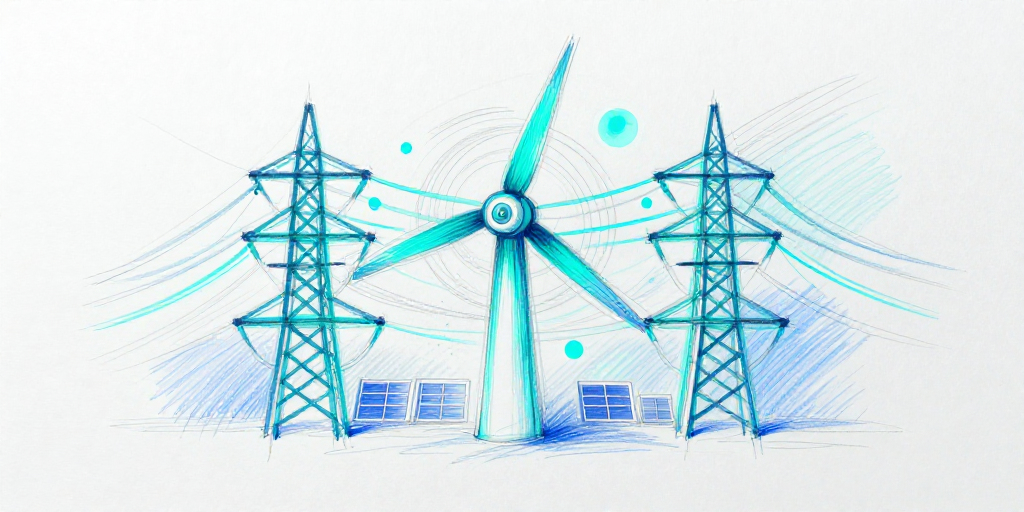
The integration of distributed solar photovoltaic (PV) farms, offshore wind installations, and battery storage systems has altered the traditional dispatch paradigm. Grid stability hinges on a delicate balance between supply and demand, with the following key technical considerations:
| Technical Parameter | Current Status | Implications |
|---|---|---|
| Frequency Deviation | ±0.05 Hz | Requires rapid-response reserves, often supplied by gas peakers or battery energy storage |
| Voltage Regulation | Tightened to ±5 % | Necessitates dynamic voltage support from inverter‑based resources (IBRs) |
| Transient Stability | Improved with FACTS (Flexible AC Transmission Systems) | Enhances system resilience to faults and sudden load changes |
| Renewable Penetration | 27 % of total generation | Drives investment in grid‑scale storage and advanced forecasting tools |
The continued growth of renewable capacity necessitates upgrades to transmission corridors and the deployment of wide‑area monitoring systems. These upgrades, while capital intensive, yield long‑term reliability benefits that directly influence the regulated rate‑setting process.
Economic Analysis of Infrastructure Investment
Capital expenditures (CapEx) for grid modernization are projected to exceed $120 billion over the next decade in the southeastern United States. The economic case for these investments rests on several pillars:
- Cost of Service (CoS) Reduction – By replacing aging lines with high‑capacity, double‑circuit overhead conductors, utilities can lower outage costs and improve asset life expectancy, translating into a CoS reduction of 3–5 % for regulated customers.
- Renewable Integration Savings – Advanced inverter controls and predictive analytics reduce curtailment rates by 12–15 %, allowing utilities to monetize additional renewable capacity without overbuilding conventional resources.
- Regulatory Incentives – State and federal policies, including the Inflation Reduction Act’s Clean Energy Production Incentives, provide tax credits and low‑interest financing for renewable projects, lowering the effective CapEx burden.
- Market Competition – As distributed energy resources (DERs) proliferate, traditional utilities must invest to maintain market share, mitigating potential revenue erosion.
These economic drivers create a compelling case for sustained investment, particularly for utilities with diversified gas portfolios and stable cash flows such as Duke Energy.
Operational Challenges and Mitigation Strategies
While the strategic benefits are clear, utilities face operational challenges that must be addressed:
| Challenge | Description | Mitigation |
|---|---|---|
| Cybersecurity | Increased digitalization heightens vulnerability to attacks. | Implement multi‑layered security frameworks and continuous monitoring. |
| Workforce Skill Gaps | Transition to smart grid technologies demands new skill sets. | Expand training programs and partner with academic institutions. |
| Regulatory Uncertainty | Evolving emissions standards can shift cost structures. | Maintain active policy engagement and flexible investment plans. |
| Supply Chain Disruptions | Global events can delay procurement of critical components. | Diversify suppliers and maintain strategic stockpiles. |
Proactive management of these issues is essential to preserve operational integrity and to ensure that regulatory approvals are secured for proposed rate increases.
Regulatory Environment and Its Impact
The regulatory framework governing Duke Energy and comparable utilities is shaped by both federal and state agencies. Recent developments include:
- Federal Energy Regulatory Commission (FERC) rulings on Distributed Energy Resources, encouraging utilities to adopt more flexible interconnection standards.
- State Public Utility Commissions (PUCs) imposing stricter renewable portfolio standards (RPS) and carbon intensity targets.
- Legislative Measures such as the Clean Energy for All Act, which incentivizes utilities to integrate high‑penetration renewable portfolios through accelerated depreciation schedules.
These regulatory shifts influence not only the cost structure of utilities but also their long‑term strategic roadmap. Duke’s recent focus on customer‑energy‑management programs and renewable integration reflects a proactive alignment with these regulatory trends.
Insider Confidence and Investor Implications
Management’s recent acquisition of phantom stock units—while not immediately dilutive—signals a long‑term belief in the company’s trajectory. This aligns executive incentives with shareholder value, especially as the company continues to deliver stable cash flows from its regulated utilities and diversified gas assets. From an investment standpoint:
- Bullish Signaling – Insider activity typically correlates with improved corporate governance and confidence in future performance.
- Limited Market Impact – Phantom units do not alter the share count until vesting, resulting in a muted short‑term effect on equity valuation.
- Valuation Stability – With a price‑to‑earnings ratio within industry norms, the market is pricing in a steady, risk‑adjusted growth outlook.
Investors should monitor the vesting schedule of these phantom units to gauge potential future dilution and the alignment of executive and shareholder interests.
Conclusion
The power generation and utility sector is at a pivotal juncture, balancing the imperative to maintain grid reliability with the necessity of accelerating renewable integration. Robust technical solutions, strategic economic investments, and responsive regulatory engagement are all essential to navigating this landscape. Duke Energy’s insider activity reflects confidence in its ability to address these challenges, positioning the company—and its stakeholders—for sustained value creation in an evolving energy market.