Energy Market Dynamics: Production, Storage, and Regulatory Influences
The global energy landscape remains a complex interplay between traditional fossil‑fuel production, expanding renewable capacity, and a rapidly evolving regulatory environment. Recent shifts in production levels, storage utilization, and policy frameworks are reshaping the economics of both conventional and clean energy sectors, with implications that reverberate through equity markets, including companies such as Texas Pacific Land Corp.
1. Production Trends Across the Energy Spectrum
1.1 Conventional Energy Production
- Oil and Natural Gas: OPEC+ production caps, coupled with a sustained demand recovery in Asia, have kept crude output near 95 million barrels per day in early 2026. However, geopolitical tensions in the Middle East and increased U.S. shale output have introduced volatility, pushing spot prices above $80 per barrel for much of the year. Natural gas volumes, driven by colder weather in the Northern Hemisphere, have surged by 12 % year‑to‑date, supporting higher LNG exports and domestic price inflation.
- Coal: Global coal consumption has continued its decline, now averaging 4.2 billion tonnes per annum, a 5 % drop from 2025. This trend is largely driven by European energy policy shifts and the accelerated electrification of transport and industry.
1.2 Renewable Energy Production
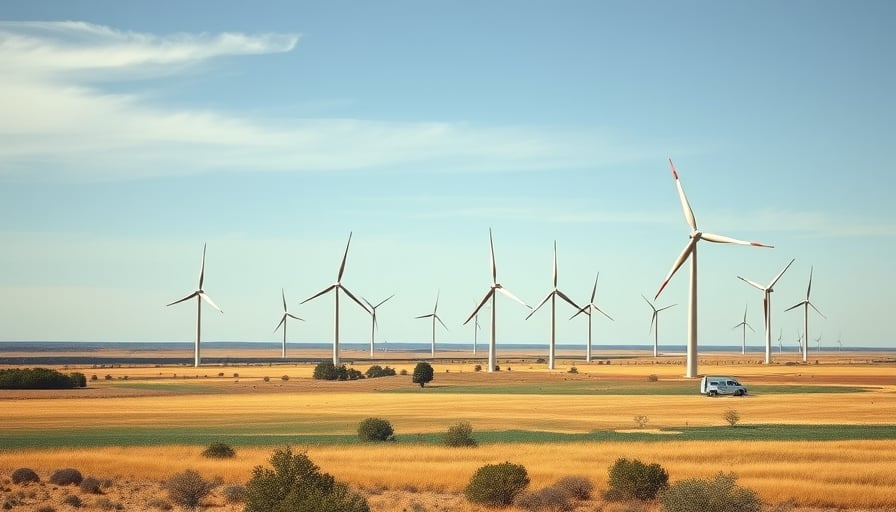
- Wind and Solar: Installed capacity for onshore wind has surpassed 500 GW worldwide, with an average capacity factor of 38 %. Solar PV capacity, now exceeding 1.1 TW, has seen a 15 % increase in annual output thanks to improved panel efficiencies and lower manufacturing costs.
- Hydro and Bioenergy: Hydroelectric generation remains stable, while bioenergy is experiencing modest growth as feedstock prices remain near historic lows. However, land‑use competition and climate‑related water scarcity pose long‑term risks.
2. Energy Storage: The New Bottleneck and Opportunity
- Battery Storage: Grid‑scale lithium‑ion installations have tripled since 2024, reaching 60 GW of added capacity in 2025. Storage capacity is now a critical lever for integrating intermittent renewables, reducing curtailment rates by an estimated 18 % globally. Economically, the cost curve for battery packs continues to decline, with a 12 % average annual reduction in the first three years of deployment.
- Pumped Hydro and Emerging Technologies: While pumped hydro remains the dominant storage modality, emerging technologies such as flow batteries and compressed air energy storage are gaining traction in regions with high renewable penetration. These systems offer longer-duration storage, essential for balancing seasonal renewable output fluctuations.
3. Regulatory and Policy Dynamics
- Carbon Pricing and Emission Standards: The European Union’s Carbon Border Adjustment Mechanism (CBAM) and the United States’ Inflation Reduction Act (IRA) have introduced new compliance costs for fossil‑fuel producers, while simultaneously providing subsidies and tax credits for renewable projects. The net effect is an increasing cost premium for carbon-intensive energy, shifting market share toward low‑carbon alternatives.
- Grid Modernization Initiatives: Several national governments have allocated €500 million for grid upgrades, facilitating higher renewable penetration and improved grid resilience. These investments are expected to reduce curtailment and enhance transmission efficiency, indirectly benefiting renewable producers.
- Land‑Use and Environmental Regulations: Stricter environmental assessments for offshore wind and solar farms are tightening the permitting window, which may delay project timelines but also ensures more robust environmental stewardship.
4. Economic Implications for Energy Producers
4.1 Traditional Energy Sectors
- Profitability Pressure: Margins for oil and gas companies are compressing due to higher input costs, tighter supply chains, and regulatory compliance expenses. Companies with diversified portfolios and high‑efficiency extraction techniques are better positioned to weather these shocks.
- Capital Expenditure Shifts: Investment has migrated from new exploration projects toward maintenance and efficiency upgrades, reducing the capital intensity of traditional energy producers.
4.2 Renewable Energy Sectors
- Capital Efficiency Gains: Lower capital expenditures per megawatt for wind and solar projects, coupled with higher capacity factors, improve return on investment. Financing costs are also declining as green bonds and sustainability‑linked loans become more attractive to investors.
- Revenue Stability: Power purchase agreements (PPAs) with utility and non‑utility buyers provide predictable cash flows, mitigating revenue volatility. However, the increasing prevalence of virtual PPAs and market‑price contracts introduces exposure to spot‑price swings.
5. Geopolitical Considerations
- Supply Chain Resilience: The U.S. and China’s competition for rare earth elements and battery components has highlighted vulnerabilities in the renewable supply chain. Diversifying sourcing and investing in domestic production are strategic priorities for firms seeking long‑term stability.
- Energy Security and Alliances: Europe’s reliance on Russian gas has prompted a strategic pivot toward liquefied natural gas (LNG) imports from the U.S. and Qatar, influencing global shipping routes and freight rates. Such geopolitical shifts can ripple through energy markets, affecting both conventional and renewable sectors.
6. Implications for Texas Pacific Land Corp
Texas Pacific Land Corp’s business model, centered on the acquisition and management of land that generates royalty income from oil and gas drilling, is sensitive to the production trends and regulatory environment described above:
- Production-Driven Revenue: A slowdown in conventional production could compress royalty payouts, whereas a rebound in gas output may enhance cash flows.
- Regulatory Exposure: New environmental regulations could increase operational costs or create opportunities for landowners who invest in renewable projects (e.g., wind or solar farms) on their parcels.
- Market Valuation: The company’s high P/E ratio and the recent institutional buying by Horizon Kinetics Asset Management reflect market expectations that the land asset base will generate sustainable income in a volatile energy backdrop.
In summary, the convergence of declining traditional energy margins, expanding renewable capacity, and a regulatory framework increasingly favoring low‑carbon sources is reshaping the economic calculus for all energy stakeholders. For investors, understanding these dynamics—particularly how they intersect with a company’s specific operational focus—remains essential for informed decision‑making in the evolving energy landscape.