Corporate News: Power Generation and Utility Systems – Technical and Economic Analysis
Grid Stability in a Transitioning Energy Landscape
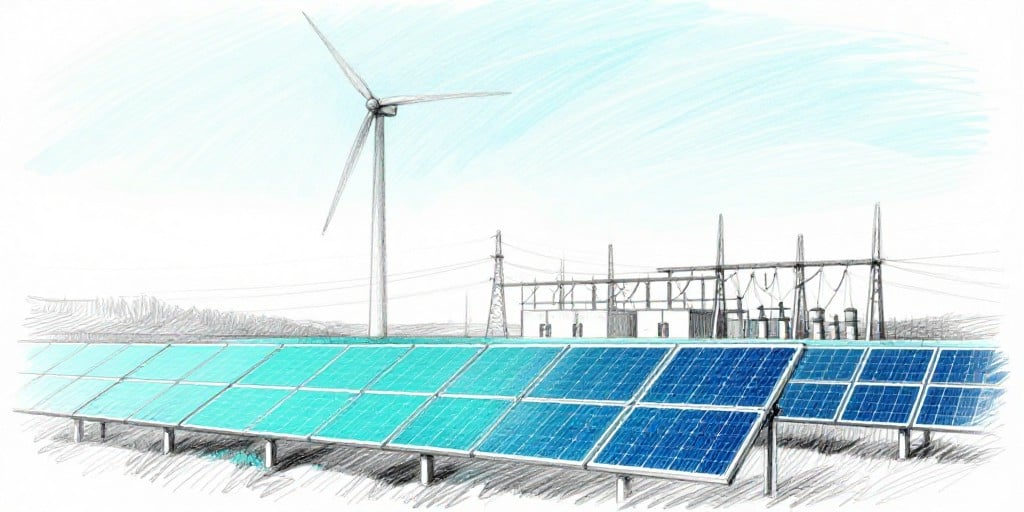
The U.S. electric grid is confronting an unprecedented blend of legacy generation assets and rapidly expanding renewable resources. In 2026, wind and solar capacity added roughly 35 GW to the national mix, surpassing the growth rate of conventional fossil‑fuel plants. This shift presents two intertwined challenges: maintaining voltage and frequency stability while ensuring that new resources can be integrated without compromising reliability.
- Load‑flow dynamics now require advanced forecasting tools. Utilities employ machine‑learning models that ingest real‑time weather data, battery storage status, and demand‑response signals to predict short‑term power balance.
- Ancillary services markets have expanded, offering price‑sensitive compensation for frequency regulation and spinning reserve provision. Utilities that own flexible resources—hydro turbines, battery arrays, or demand‑response programs—can monetize these services, offsetting capital expenditures.
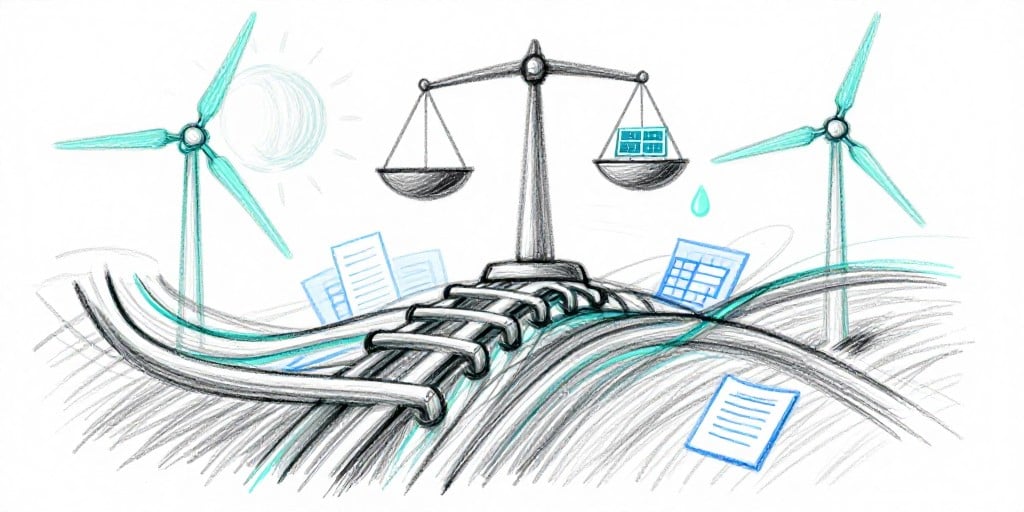
- Regulatory agencies, notably the Federal Energy Regulatory Commission (FERC), have introduced “grid‑stability” performance metrics in the recent Grid Reliability Standards (GRS) 2026 rule, mandating utilities to report their frequency‑response capabilities quarterly.
Renewable Integration and Economic Implications
Renewable penetration is no longer a qualitative objective; it is a quantitative lever that influences the cost of capital, operating expenses, and long‑term valuation. Key economic drivers include:
Capital Cost Decline Solar photovoltaic (PV) and wind installations have seen a 12 % and 8 % drop in Levelized Cost of Energy (LCOE) over the past two years, respectively. Lower upfront costs translate into higher internal rates of return (IRR) for developers and enable utilities to pass savings onto ratepayers.
Storage‑Enabled Flexibility Battery energy storage systems (BESS) are increasingly deployed to mitigate intermittency. While initial capital outlay remains significant—$600–$900 M per 1 GW of storage—the ability to arbitrage market price differences and provide ancillary services generates additional revenue streams.
Transmission Congestion The geographic mismatch between renewable resources (often in rural, wind‑rich regions) and load centers remains a bottleneck. Large‑scale transmission upgrades, such as the proposed 700‑MW “Midwest Interconnector,” are projected to reduce curtailment by 18 % and enhance grid resilience.
Policy‑Driven Incentives The Inflation Reduction Act (IRA) 2022 continues to provide tax credits for clean energy investments. Utilities that adopt renewable portfolios are eligible for a 30 % Investment Tax Credit (ITC) on solar projects, significantly lowering the effective LCOE.
Regulatory Landscape and Its Impact on Infrastructure Investment
Regulatory agencies are actively shaping the financial architecture of utility operations. Recent developments include:
- FERC Order 2025‑4: Requires utilities to disclose the environmental impact of their power plants and adopt a carbon‑pricing framework. Compliance will drive investment in carbon capture, utilization, and storage (CCUS) technologies for remaining fossil‑fuel assets.
- State Renewable Portfolio Standards (RPS): Several states have increased their RPS targets to 60 % by 2030. Utilities must diversify their generation mix, leading to a surge in renewable procurement contracts and long‑term Power Purchase Agreements (PPAs).
- Rate‑Structure Reforms: FERC’s 2026‑1 order encourages “time‑of‑use” (TOU) rates to promote demand elasticity, which in turn reduces peak load pressures and allows utilities to defer costly peaking plant construction.
These regulatory shifts necessitate careful capital allocation. Utilities are increasingly turning to green bonds and utility‑grade renewable financing to meet both capital and sustainability objectives.
Operational Challenges Facing Utility Operators
Beyond the economic and regulatory frameworks, day‑to‑day operational hurdles persist:
- Cybersecurity: The expanding attack surface of distributed energy resources (DERs) and SCADA systems calls for robust threat detection and incident response protocols. Utilities are investing in AI‑driven intrusion detection systems and conducting regular penetration testing.
- Workforce Skills Gap: Integrating advanced analytics, inverter control, and battery management requires a new skill set. Training programs and partnerships with academia are critical to bridge this gap.
- Aging Infrastructure: Over 30 % of transmission lines in the U.S. are older than 40 years. Predictive maintenance using structural health monitoring technologies is essential to preempt failures and ensure continuity of service.
Case Insight: PPL Corporation
PPL Corporation’s recent insider transaction—EVP & CLO Wendy E. Stark’s sale of 5,406 common shares—provides a micro‑cosmic view of how senior executives balance personal portfolio considerations with corporate strategy. While the sale is nominal (under 0.02 % of outstanding shares) and likely reflects a diversification move rather than a signal of distress, it underscores the importance of transparent insider activity for investors, especially in utility sectors where long‑term stability and capital structure decisions are pivotal.
PPL’s core assets—electricity generation and wholesale distribution—continue to deliver consistent revenue streams. Its price‑earnings ratio of 20.64 aligns with sector averages, and the company’s asset base remains robust. However, any sustained insider selling by senior leaders could foreshadow strategic realignments or capital‑intensive projects that might alter the company’s long‑term valuation. Investors should therefore monitor such transactions in conjunction with regulatory developments and market dynamics.
Outlook
The convergence of declining renewable costs, evolving regulatory mandates, and sophisticated grid‑stability requirements is reshaping the utility landscape. Companies that can leverage advanced forecasting, flexible resources, and innovative financing models will be positioned to capitalize on emerging opportunities while mitigating operational risks. Continuous investment in transmission infrastructure, workforce development, and cybersecurity will be critical to sustaining grid reliability amid an increasingly diversified energy mix.