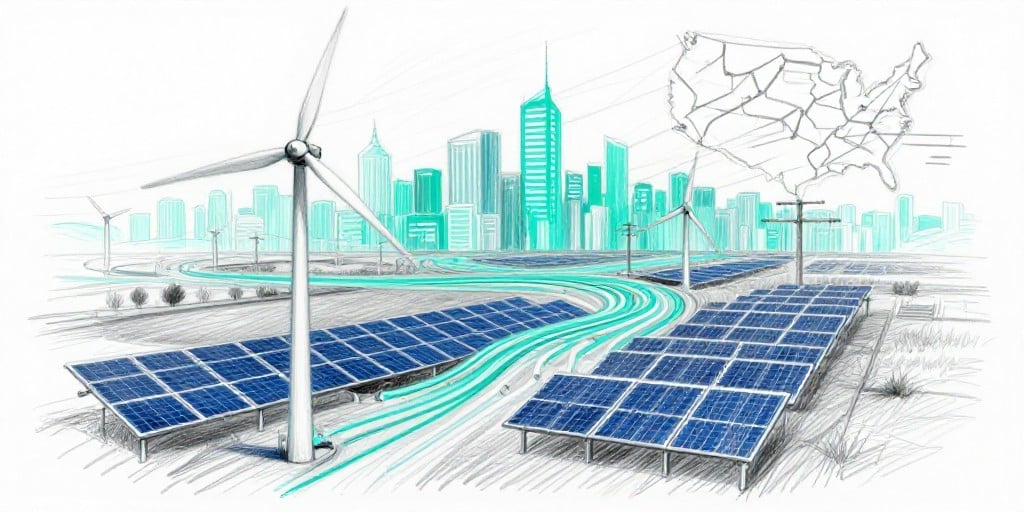
Corporate Analysis of Power Generation and Utility Systems
Technical Overview of Grid Stability and Renewable Integration
The American electric grid is currently undergoing a significant transition from conventional baseload generation toward a higher penetration of intermittent renewable resources such as wind and solar. The integration of these variable resources necessitates advanced control strategies and upgraded infrastructure to maintain frequency, voltage, and overall system reliability. Recent studies indicate that maintaining a 99.999% (five nines) system reliability in a high‑renewable scenario requires a combination of:
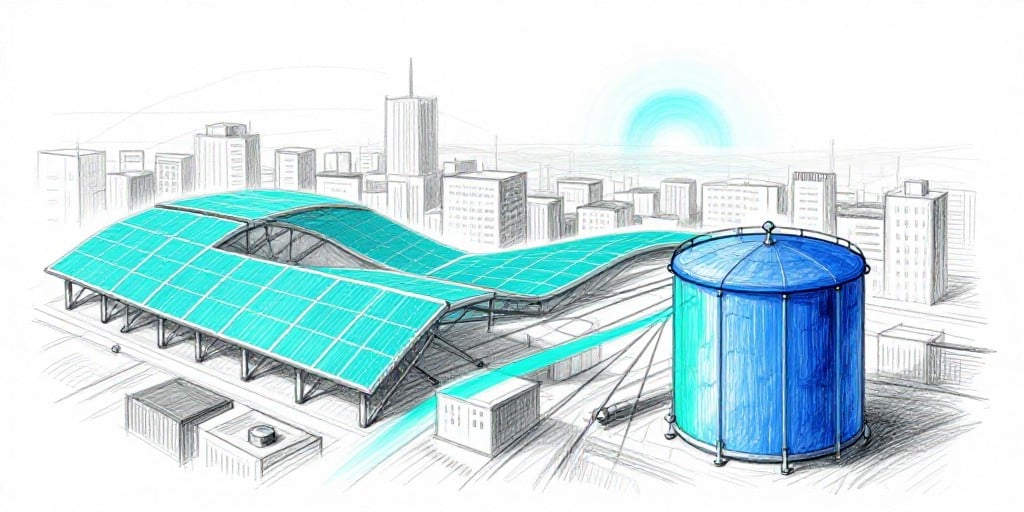
- Enhanced energy storage (grid‑scale batteries, pumped hydro, and advanced flow batteries) to buffer short‑term variability.
- Dynamic line rating and real‑time monitoring to increase the utilization of transmission assets.
- Co‑optimization of generation dispatch that incorporates flexible resources such as natural gas peaking plants and demand‑response programs.
- Coordinated regional balancing markets that allow neighboring utilities to share reserve capacity and mitigate the ripple effect of localized renewable curtailment.
These measures collectively reduce the need for conventional spinning reserves and lower operating costs, but they also increase the complexity of system operations and require significant investments in both hardware and software.
Economic Implications of Infrastructure Investment
Utility companies are investing heavily in grid modernization projects to support renewable integration. Capital expenditures in 2026 are projected to reach $120 billion, driven by:
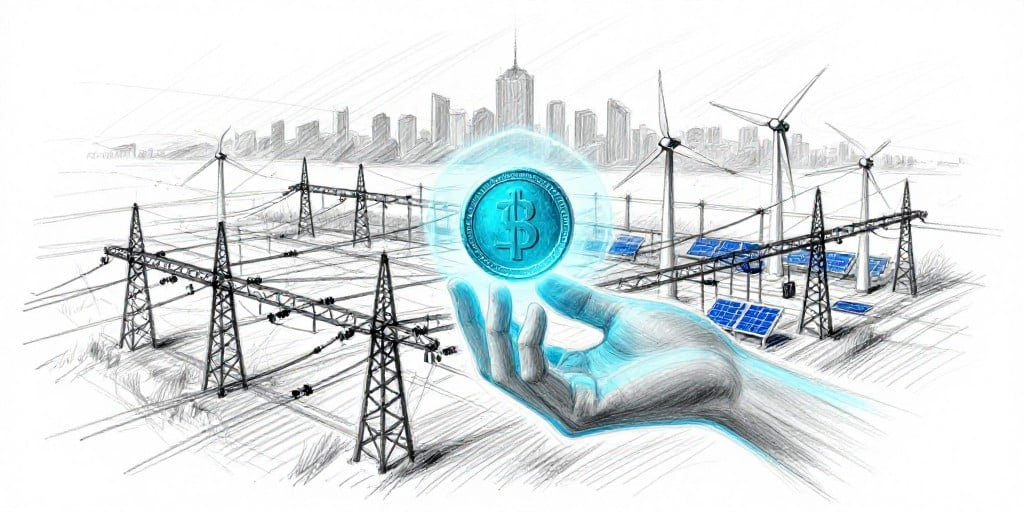
- Transmission upgrades: expanding interconnections and reinforcing existing corridors to accommodate cross‑border renewable flows.
- Distributed energy resource (DER) aggregation: deploying smart inverters, advanced metering infrastructure, and control platforms to coordinate rooftop solar, storage, and electric‑vehicle charging.
- Cybersecurity enhancements: safeguarding critical control systems against emerging threats, which is increasingly mandatory under federal guidance.
The economic impact of these investments can be analyzed through the lens of the levelized cost of electricity (LCOE). For example, adding 10 GW of solar and storage with a 10‑year LCOE of $45 per MWh versus a 20‑year LCOE of $55 per MWh shows that shorter project horizons translate into lower capital costs, but also impose stricter regulatory and financing constraints. Moreover, the expected revenue streams from ancillary services markets and renewable portfolio standards provide a partial hedge against the upfront cost burden.
Regulatory Landscape and Its Influence on Operations
Regulators are increasingly mandating higher renewable portfolio standards (RPS) and demand‑side participation, which influence both the design and operation of utility systems:
- Federal Energy Regulatory Commission (FERC) has approved several orders to accelerate the deployment of advanced energy storage and demand‑response mechanisms, creating new revenue streams for utilities while ensuring system reliability.
- State Public Utility Commissions (PUCs) are tightening emission limits and incentivizing distributed generation, which compels utilities to revisit long‑term asset allocation strategies.
- Department of Energy (DOE) initiatives such as the Grid Modernization Initiative provide grant funding for pilot projects, fostering innovation in grid intelligence and resilience.
Compliance with these regulatory directives necessitates that utilities adopt a more agile operating model. This includes real‑time data analytics, machine‑learning‑based forecasting, and enhanced stakeholder engagement to navigate policy changes and secure public approval for infrastructure projects.
Operational Challenges and Mitigation Strategies
Despite technological advances, utilities face persistent operational challenges:
- Asset aging: Many transmission lines and substation components are approaching end‑of‑life, creating reliability concerns that must be addressed through phased replacement plans.
- Cyber‑physical security: The convergence of operational technology (OT) and information technology (IT) increases exposure to cyberattacks, requiring robust security protocols and continuous monitoring.
- Workforce development: The shift to advanced grid operations demands new skill sets. Utilities are investing in training programs and partnerships with educational institutions to bridge the talent gap.
To mitigate these challenges, utilities are implementing comprehensive risk management frameworks that integrate:
- Predictive maintenance using IoT sensors and data analytics to preemptively identify equipment failures.
- Resilience planning that incorporates scenario analysis for extreme weather events, ensuring rapid restoration of service.
- Stakeholder collaboration with local governments, community groups, and federal agencies to align infrastructure projects with broader societal goals.
Outlook for Investors and Industry Stakeholders
The convergence of renewable integration, regulatory evolution, and technological innovation presents both opportunities and risks for utility companies. Investors should consider the following points:
- Capital Efficiency: Companies that can deploy grid upgrades and storage technologies with lower financing costs will achieve a more favorable LCOE profile.
- Regulatory Compliance: Proactive engagement with regulators can accelerate project approvals and secure incentives, reducing the time‑to‑value of investments.
- Operational Resilience: Utilities that prioritize predictive maintenance and cybersecurity will minimize downtime costs and protect stakeholder trust.
In conclusion, the current trajectory of power generation and utility systems signals a robust, though complex, path toward a cleaner, more resilient energy future. The technical and economic analyses underscore the importance of strategic investment, regulatory alignment, and operational excellence in ensuring long‑term value for both utilities and their investors.