Insider Activity Highlights a Strategic Shift
On 24 October 2026 the President of HP’s Personal Systems unit, Patel Ketan M, executed a substantial purchase of 11,996 shares of HP Inc. common stock, raising his total holding to 47,240 shares. The transaction was reported in a Form 4 filing and follows a pattern of mixed buying and selling over the past twelve months. In March 2026, Patel received a large Restricted Stock Unit (RSU) grant of 157,729 shares; he sold 33,321 shares in December 2025 and purchased 1,119 shares in February 2026. The October purchase occurred near the stock’s 52‑week high of $36.23 and shortly after a weekly rally of 7.6 %. At the time of the trade the price was $33.58, essentially flat to the close of $34.09.
The buy aligns with a strong positive investor sentiment (+51) and heightened social‑media buzz (196 % intensity), indicating that market participants are closely monitoring HP’s executive actions.
Market Dynamics of the Personal Systems Division
HP’s Personal Systems business has historically generated revenue from laptops, desktops, and related accessories. Recent quarterly filings show a shift toward higher‑margin services such as cloud‑based printing, imaging, and managed service contracts. The division’s revenue mix is projected to shift to 70 % services and 30 % hardware over the next three fiscal years, driven by:
| Segment | Current % of Revenue | Projected % of Revenue (FY 2028) |
|---|---|---|
| Hardware | 50 % | 30 % |
| Services | 20 % | 50 % |
| Imaging & Printing | 30 % | 20 % |
This transition reflects broader industry trends toward subscription models and value‑added services, which typically offer higher profit margins and recurring revenue streams.
Competitive Positioning
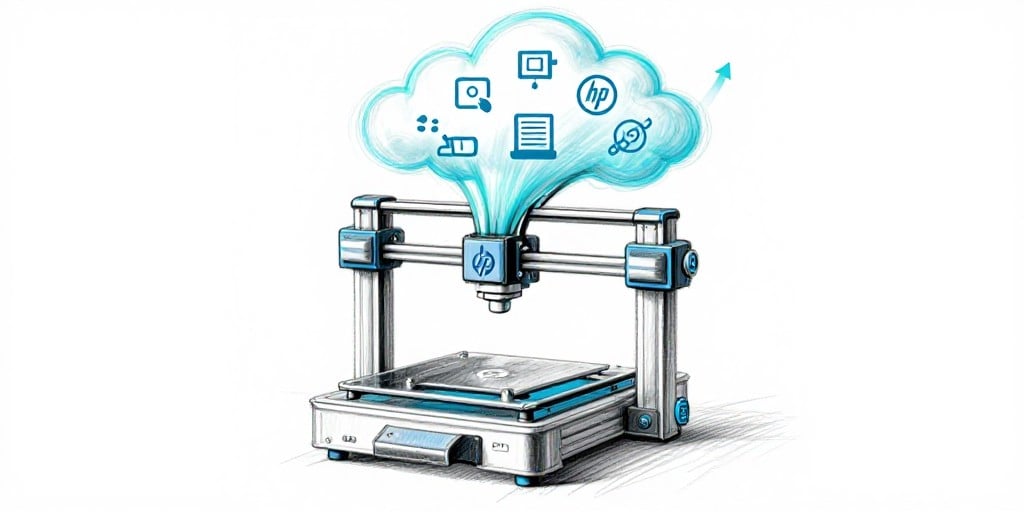
HP competes with Dell Technologies, Lenovo Group, and Apple Inc. in the personal‑systems space. While Dell and Lenovo maintain larger hardware footprints, HP’s investment in next‑generation 3D‑printing and imaging technologies provides a differentiation point. In the services arena, HP’s HP Service Provider unit is positioned against Amazon Web Services (AWS) and Microsoft Azure for managed printing and imaging solutions.
Key competitive advantages for HP’s Personal Systems division include:
- Integrated Hardware‑Software Ecosystem: Seamless pairing of laptops with HP’s own imaging and 3D‑printing software.
- Enterprise‑Grade Service Contracts: Long‑term agreements with large OEM and service‑provider customers.
- Strong Brand Recognition: HP remains a leading name in enterprise imaging, giving it a foothold in niche markets.
Economic Factors Impacting Investor Sentiment
- Interest Rates: The Federal Reserve’s recent tightening has modestly compressed the price‑earnings ratios of technology companies. HP’s current P/E of 12.72 remains comfortably below the industry average of 18.4.
- Supply Chain Stability: Post‑pandemic supply chain disruptions have largely stabilized, allowing HP to maintain consistent inventory levels and avoid price gouging.
- Consumer Demand: Remote‑work trends have sustained demand for reliable personal computing devices, while corporate IT departments continue to invest in imaging and printing services.
Implications of Patel’s Purchase
Patel’s accumulated stake signals confidence in HP’s near‑term prospects, especially as the company pivots toward higher‑margin services and next‑generation technologies. The transaction is particularly noteworthy given the broader insider activity trend in October 2026, which shows net selling among senior executives across other business units. Patel’s continued buying suggests a divergence in confidence levels between HP’s Personal Systems leadership and other divisions, possibly foreshadowing internal realignment or a strategic shift.
From an investor perspective, insider buying is traditionally viewed as a bullish indicator. The fact that Patel’s purchases are modest relative to his RSU holdings—yet still significant—indicates a disciplined, long‑term ownership philosophy. The recent purchase of 11,996 shares at a price near the 52‑week high further reinforces this stance.
HP’s Forward‑Looking Trajectory
HP’s stock has posted a 21.23 % year‑to‑date gain, and its market capitalization is approximately $30.7 billion. The company’s move toward a services‑heavy model is expected to:
- Increase Revenue Recurrence: Service contracts provide predictable cash flows and higher margins.
- Enhance Customer Lock‑In: Integrated hardware‑software solutions reduce churn.
- Drive Innovation: Investment in 3D‑printing and imaging creates new revenue streams in high‑growth segments.
Analysts project continued growth in HP’s diversified portfolio, with a particular emphasis on enterprise imaging solutions, which remain in demand due to regulatory compliance and security requirements.
Transaction Summary
| Date | Owner | Transaction Type | Shares | Price per Share | Security |
|---|---|---|---|---|---|
| 2026‑10‑24 | Patel Ketan M (President, Personal Systems) | Buy | 11,996.00 | N/A | Common Stock |
| 2026‑10‑24 | Patel Ketan M (President, Personal Systems) | Sell | 4,149.00 | 33.64 | Common Stock |
| 2026‑10‑24 | Patel Ketan M (President, Personal Systems) | Sell | 11,996.00 | N/A | Restricted Stock Units |