Corporate News – Power Generation and Utility Systems
The recent insider transaction by Robert N. Hognlund, a senior board member of Middles Water Co., serves as a micro‑indicator of broader confidence in the utility sector’s structural resilience. While the purchase involved only 2,000 shares at $54.31 apiece—slightly above the prevailing market price of $54.00—it underscores a sustained belief in the company’s long‑term strategy and the continued importance of reliable utility services in an era of rapid renewable integration and evolving regulatory landscapes.
Transaction Context and Market Fundamentals
The share acquisition occurred on 27 February 2026, a day when the company’s stock hovered near a 52‑week low of $44.17 yet remained well below its all‑time peak of $67.09. In the days leading up to the trade, Freedom Capital Markets upgraded its analyst rating, citing improvements in cost efficiency that bolster operating margins. The modest size of the deal, relative to Middles Water’s $1.02 billion market capitalization, reflects the board member’s measured confidence in a stable, dividend‑generating asset rather than a speculative play.
From a corporate perspective, this insider buy aligns with the utility’s ongoing investments in infrastructure upgrades that enhance grid stability and facilitate the integration of renewable generation sources. The company’s capital allocation strategy—favoring incremental improvements over aggressive expansion—reinforces its position as a dependable, long‑term play for investors seeking defensive exposure within the utilities sector.
Implications for Grid Stability and Renewable Integration
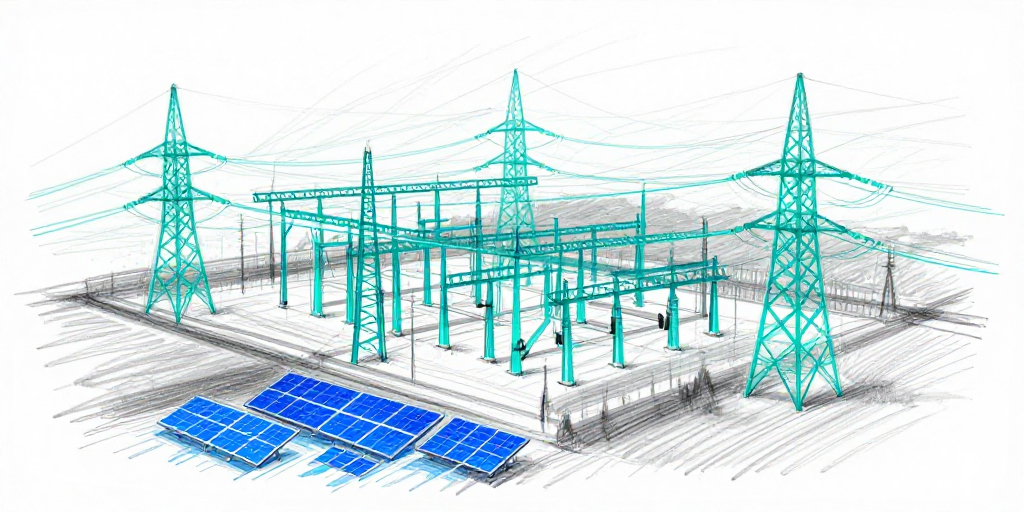
Middles Water’s operations span New Jersey and Delaware, regions that are increasingly reliant on distributed renewable assets such as rooftop photovoltaics and small‑scale wind turbines. The company’s recent focus on upgrading water‑and‑sewer infrastructure includes the deployment of smart monitoring technologies and real‑time asset management systems. These initiatives directly support grid stability by:
- Reducing Peak Demand – Advanced metering and demand‑response programs help shift usage patterns, alleviating stress during high‑generation periods.
- Enhancing Asset Resilience – Predictive maintenance reduces the likelihood of outages, which is critical in an environment where intermittent renewable sources can create supply‑demand mismatches.
- Facilitating Energy Storage Integration – By leveraging its existing infrastructure, the company can co‑locate battery storage units that smooth out renewable intermittency and provide backup capacity.
The incremental investment in these technologies signals the company’s recognition that a modern grid must be flexible enough to absorb variable generation while maintaining reliable water and wastewater delivery. This dual focus on core utility services and smart grid enhancements positions Middles Water to capitalize on the growing regulatory emphasis on resilience and sustainability.
Regulatory Environment and Economic Analysis
Recent regulatory developments in both New Jersey and Delaware have introduced more stringent mandates for carbon reduction, water conservation, and infrastructure resilience. The company’s proactive compliance strategy—manifested in targeted capital expenditures and cost‑control initiatives—reduces regulatory risk and ensures continued eligibility for rate‑base recovery mechanisms.
From an economic standpoint, the company’s price‑earnings ratio of 23.23, while somewhat elevated for utilities, is justified by its robust cash flows and essential service mandate. The 5.78 % annual share price appreciation, coupled with a stable dividend yield, suggests that investors can expect a positive trajectory despite the broader market volatility. The analyst upgrade from Freedom Capital Markets further substantiates the expectation of sustained earnings stability and potential for incremental dividend growth.
Infrastructure Investment and Operational Challenges
Infrastructure investment remains a critical lever for maintaining and expanding service reliability. Middles Water’s capital allocation plan includes:
- Capital Expenditure (CapEx) for Water Treatment Facilities: Modernizing treatment plants to meet evolving environmental standards and increase capacity.
- Pipeline Rehabilitation: Replacing aging pipelines to reduce leakage rates and improve water pressure reliability.
- Smart Grid Technologies: Deploying IoT sensors and advanced analytics to streamline operations and reduce maintenance costs.
Operational challenges persist, particularly in balancing the need for investment with the imperative to keep rates affordable. The company’s disciplined cost‑management framework—highlighted by the analyst’s comment on improved efficiency—provides a buffer against rising operating expenses. Moreover, the regulatory environment increasingly rewards utilities that adopt renewable integration and resilience measures, offering avenues for future revenue growth through ancillary services such as grid support and energy management.
Conclusion
The insider purchase by Robert N. Hognlund, while modest in scale, is a tangible expression of confidence in Middles Water’s strategic direction. The company’s focus on grid stability, renewable integration, and regulatory compliance, coupled with disciplined investment in infrastructure, reinforces its reputation as a steady, dividend‑generating asset. For investors seeking defensive exposure within the utilities sector, the transaction and accompanying analyst upgrade suggest that Middles Water continues to offer a compelling mix of stability, resilience, and long‑term growth potential.