Corporate News
Structured Analysis of Market Dynamics, Competitive Positioning, and Economic Factors Surrounding MING SHING GROUP HOLDINGS LT
The recent divestitures by principal owner Lam Chi Ming have attracted attention from institutional investors and analysts. A methodical examination of the transaction pattern, the firm’s industry context, and broader macroeconomic signals is essential to assess potential implications for shareholders and the company’s strategic trajectory.
1. Transaction Overview and Immediate Market Impact
| Date | Owner | Transaction Type | Shares | Price per Share | Security |
|---|---|---|---|---|---|
| 2026‑09‑15 | Lam Chi Ming () | Sell | 99,114.00 | $1.30 | Class A Ordinary Shares |
| 2026‑09‑11 | Lam Chi Ming () | Sell | 120,000.00 | Not disclosed | Class A Ordinary Shares |
| 2026‑09‑09 | Lam Chi Ming () | Sell | 150,000.00 | Not disclosed | Class A Ordinary Shares |
| 2026‑08‑? | Lam Chi Ming () | Holdings | 907,865.00 | Not disclosed | Class A Ordinary Shares |
| 2026‑09‑15 | Lam Chi Ming () | Holdings | 318,751.00 | Not disclosed | Class A Ordinary Shares |
Key points:
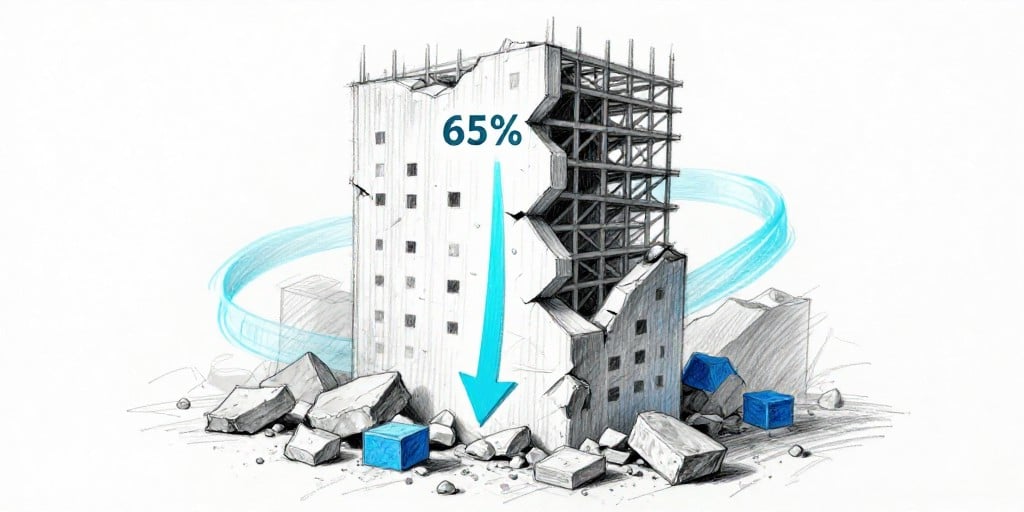
- Lam’s holdings have declined by approximately 65 % over a little more than one month.
- The sales were executed at prices that hover above the prevailing market level, indicating an effort to capture residual upside before a broader decline.
- No significant social‑media discussion or negative sentiment has surfaced, suggesting the motive may be portfolio rebalancing rather than a panic sale.
2. Industry Context: Construction‑Related Services
Business model MING SHING GROUP HOLDINGS LT operates within the plastering, tiling, and small‑scale fitting‑out segment of the construction industry. The firm supplies both public infrastructure projects and private residential developments.
Market dynamics
| Factor | Current Trend | Implication |
|---|---|---|
| Construction activity | Downturn in public‑sector contracts | Reduced order volume, longer payment cycles |
| Cost inflation | Rising material and labor costs | Compression of margins unless price‑passing capability is strong |
| Regulatory environment | Heightened environmental and safety standards | Increased compliance costs, potential for project delays |
| Technological shift | Adoption of modular construction techniques | Opportunity for differentiation if the firm modernises its service offering |
Competitive positioning
- Peer comparison: The firm’s main competitors include other niche contractors that offer similar services but have more diversified portfolios, including larger-scale fit‑out and renovation projects.
- Differentiation: MING SHING’s specialization in plastering and tiling offers a low‑barrier entry for small‑scale projects but limits scale potential.
- Barriers to entry: Capital intensity and the need for skilled labor create moderate barriers; however, new entrants with advanced technologies could erode market share.
Economic factors
- GDP growth: Slower growth in the domestic economy reduces public spending on infrastructure.
- Interest rates: Elevated rates increase the cost of project financing, discouraging large construction undertakings.
- Real estate cycles: A cooling residential market directly impacts the demand for fitting‑out services.
3. Valuation and Financial Health
- Price‑to‑earnings ratio: The negative P/E of –2.97 indicates the firm is operating at a loss, likely due to declining cash flows.
- Monthly decline: The stock has dropped –24.85 % in the most recent month, underscoring acute valuation pressure.
- Year‑to‑date performance: The share price has fallen nearly 49 % since the beginning of 2026, and has traded near a 52‑week low of $0.60 earlier this year.
These metrics signal that the firm may be underfunded for sustaining growth and covering operating expenses, which could necessitate future capital raising or restructuring.
4. Implications for Shareholders
- Signal of Insider Sentiment
- Lam’s aggressive sell‑off may indicate a lack of confidence in near‑term upside, potentially eroding shareholder trust.
- If other insiders follow suit, liquidity could diminish, heightening volatility and forcing a price correction.
- Opportunity for Rebalancing
- Existing shareholders might view the drop as a buying opportunity if the firm’s fundamentals remain sound and a turnaround strategy is plausible.
- Risk of Capital‑Raising Pressures
- To shore up the balance sheet amid construction‑sector headwinds, the company may need to issue new equity or debt, potentially diluting existing holdings.
5. Strategic Outlook
- Diversification: Expanding into larger‑scale fit‑out or renewable‑energy construction could reduce exposure to the volatile small‑project segment.
- Cost Control: Implementing lean construction techniques and renegotiating supplier contracts may help mitigate margin erosion.
- Contract Acquisition: Aggressive bidding for public‑sector contracts could stabilize the order book if the firm can navigate regulatory hurdles efficiently.
- Capital Structure: A prudent approach to leverage and equity financing will be critical to maintain financial flexibility.
6. Recommendations for Investors
- Monitor Insider Activity – Subsequent filings should be reviewed for additional sales or any announcement of strategic changes.
- Track Earnings Guidance – Upcoming quarterly reports will provide insight into order book health, cost management, and potential capital‑raising plans.
- Assess Market Sentiment – While current social media buzz is minimal, any shift in public perception could quickly alter investor behavior given the existing volatility.
- Consider Valuation Thresholds – Evaluate whether the current share price aligns with the firm’s intrinsic value post‑cost‑control and diversification initiatives.
7. Conclusion
Lam Chi Ming’s recent sell‑offs, set against a backdrop of an underperforming construction industry and a declining share price, raise legitimate concerns about insider confidence and the firm’s near‑term outlook. While the transaction appears to stem from portfolio rebalancing rather than a panic sale, it serves as a potential catalyst for further liquidity erosion if other insiders follow suit. Investors should adopt a vigilant stance, focusing on the company’s ability to diversify, control costs, and secure new contracts, while staying alert to any strategic shifts that might alter the risk‑reward profile.