Insider Activity at Ming Shing Group Holdings: A Closer Look
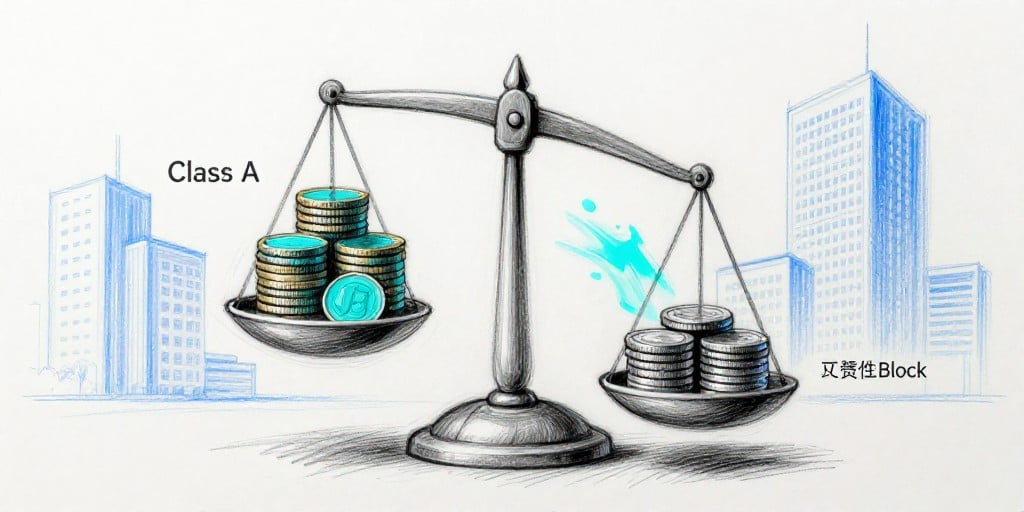
The most recent Form 4 filed by Ming Shing Group Holdings (the “Company”) discloses a series of reclassifications executed by the owner, Lam Chi Ming. On 16 June 2026, Mr Ming sold 8,414,865 ordinary shares at a nominal price of $0.00, then immediately repurchased 1,407,000 Class A shares, 1,007,865 Class A shares held in a broker account, and 6,000,000 Class B shares. The transactions, exempt under Rule 16b‑7, converted the bulk of his holdings to the more restrictive Class A structure while retaining a 6‑million‑share block as Class B, which remains convertible to Class A at the holder’s option.
Transaction Structure and Purpose
| Date | Owner | Transaction Type | Shares | Price per Share | Security |
|---|---|---|---|---|---|
| 2026‑06‑16 | Lam Chi Ming () | Sell | 8,414,865.00 | N/A | Ordinary Shares |
| 2026‑06‑16 | Lam Chi Ming () | Buy | 1,407,000.00 | N/A | Class A Ordinary Shares |
| 2026‑06‑16 | Lam Chi Ming () | Buy | 1,007,865.00 | N/A | Class A Ordinary Shares |
| 2026‑06‑16 | Lam Chi Ming () | Buy | 6,000,000.00 | N/A | Class B Ordinary Shares |
The $0.00 transaction price indicates that the shares were transferred within the context of a reclassification rather than a market sale. By moving a substantial block to the Class B structure, Mr Ming preserves the right to convert to Class A later, thereby affording flexibility for potential capital‑raising events, strategic acquisitions, or other corporate actions that might otherwise trigger additional regulatory disclosure.
Market Context
Ming Shing’s equity has experienced pronounced volatility in the past twelve months. The share price fell from a 52‑week high of $3.24 to a low of $0.60, and currently trades at $1.36. The negative price‑earnings ratio of –1.66 underscores the market’s scepticism regarding the Company’s profitability. Despite this backdrop, the insider activity—particularly the retention of a sizeable convertible block—has been largely absorbed by the market, reflected in neutral to mildly positive sentiment metrics (social‑media sentiment +50, buzz 100.05 %).
Implications for Shareholders
The reclassification suggests that insiders maintain confidence in the Company’s long‑term prospects while simultaneously positioning themselves to capitalize on future opportunities. The convertible Class B shares could be exercised in the event of a capital‑raising or restructuring, potentially diluting existing shareholders if new shares are issued. Consequently, investors should monitor forthcoming financial statements and proxy materials for any announcements regarding capital structure changes or equity‑financing initiatives.
Strategic Outlook
From a governance perspective, the transaction illustrates a calculated approach to capital structure management. The flexibility afforded by the conversion right can be a catalyst for upside—enabling the Company to inject capital, pursue acquisitions, or adjust its equity mix without immediate regulatory repercussions. However, the potential for dilution remains a tangible risk, particularly if the Class B shares are converted during a period of favourable market conditions.
In summary, the insider reclassification at Ming Shing Group Holdings reflects a dual strategy: consolidating control through Class A shares while preserving a convertible asset that could unlock future capital‑raising or strategic opportunities. Investors should remain vigilant for any subsequent corporate actions that could activate the conversion rights, as such events could materially influence the Company’s share price and capital structure.