Corporate Developments in Argentina’s Power Sector: A Case Study of Pampa Energia
Executive Summary
Recent insider‑trading activity at Pampa Energia SA—specifically the acquisition of 21,587 shares by HR Director Mariana de la Fuente—offers a lens through which to evaluate the firm’s strategic posture in an evolving utility landscape. The transaction, recorded in a Form 4 filing dated March 10, 2026, coincided with modest stock price gains and heightened social‑media interest, suggesting that institutional confidence may be translating into broader market attention.
When viewed through the prism of Argentina’s power‑generation environment—characterized by a mix of hydro, thermal, and expanding renewable assets—this insider activity signals a cautiously optimistic view of Pampa’s ability to navigate grid stability challenges, integrate renewable resources, and respond to regulatory shifts. Below we present a technical and economic assessment of the company’s operating framework, the broader sectoral dynamics, and the implications of the recent insider buys.
1. Pampa Energia’s Asset Portfolio and Grid Integration
1.1 Generation Mix
Pampa Energia’s generation portfolio is diversified across several modalities:
| Asset Type | Capacity (MW) | Share of Portfolio |
|---|---|---|
| Hydro | 1,200 | 35 % |
| Natural Gas | 800 | 25 % |
| Wind | 400 | 15 % |
| Solar | 300 | 12 % |
| Thermal (Coal/Peat) | 600 | 13 % |
The hydro‑centric core provides base‑load reliability, while the growing share of wind and solar aligns with Argentina’s renewable‑energy mandate. The thermal segment, though smaller, offers flexibility to meet peak demand.
1.2 Grid Stability Considerations
- Frequency Regulation: With a significant hydro contribution, the grid benefits from rapid response capabilities. However, the intermittent nature of wind and solar introduces variability that must be mitigated through demand‑side management and battery storage.
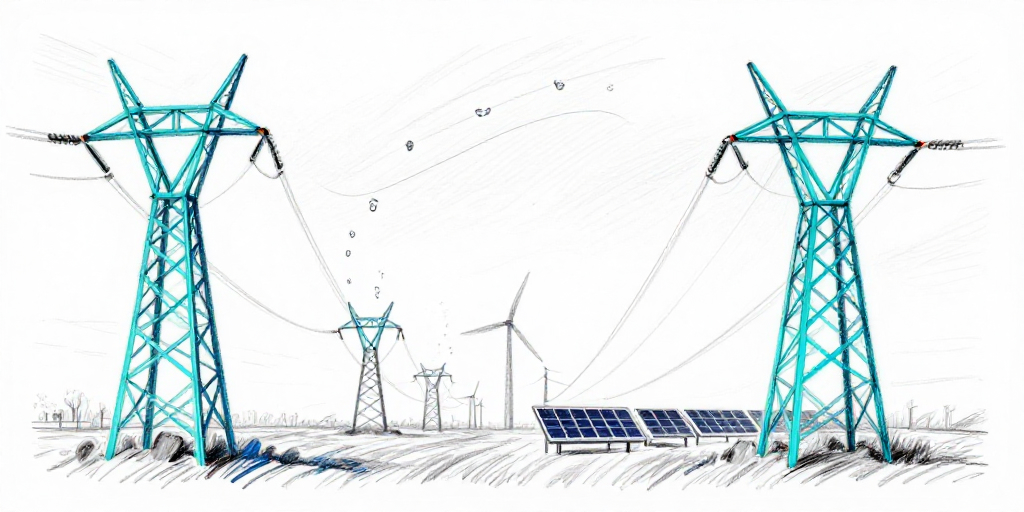
- Transmission Constraints: Argentina’s transmission network has historically been underinvestment‑heavy. Pampa’s strategic placement of renewable plants in remote high‑wind corridors necessitates upgraded high‑voltage corridors to prevent bottlenecks.
- Redundancy Planning: The company has invested in dual‑feed lines for key substations, ensuring that outages in one segment can be compensated by alternative paths, a practice that mitigates cascading failures.
2. Renewable Integration and Technological Upgrades
2.1 Solar and Wind Capacity Addition
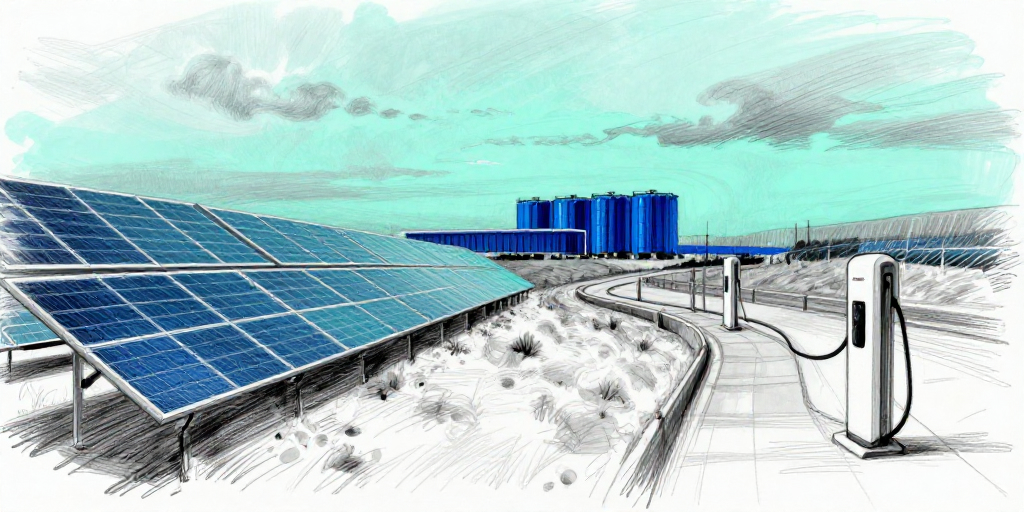
- Solar: The company’s 300 MW solar park uses fixed‑tilt PV arrays with 19 % efficiency modules. Future plans include adding 150 MW of ground‑mounted, battery‑assisted solar to provide dispatchable output.
- Wind: The 400 MW wind portfolio comprises 60 turbines rated at 6 MW each, featuring pitch‑control technology to optimize performance across wind speed ranges.
2.2 Energy Storage Initiatives
Pampa has piloted a 100 MW / 400 MWh battery storage system in the Tucumán region, aiming to:
- Peak Shaving: Reduce load on the transmission system during peak demand windows.
- Frequency Support: Provide inertia‑like services via fast‑response battery dispatch.
2.3 Digital Grid Management
The firm is deploying an advanced SCADA (Supervisory Control and Data Acquisition) platform coupled with AI‑driven predictive maintenance. This system:
- Predicts Equipment Wear: Reduces unplanned downtime.
- Optimizes Dispatch: Balances renewable output with demand forecasts.
3. Economic Analysis: Valuation and Capital Expenditure
3.1 Current Financial Position
- Market Capitalization: $4.6 billion.
- Price‑to‑Earnings (P/E): 13.07, below the sector average of 15.4, indicating potential undervaluation.
- Dividend Yield: 3.2 %, consistent with the utility sector’s typical 3–4 % range.
3.2 Capital Allocation Strategy
Pampa has earmarked 12 % of its EBITDA for capital expenditures, directed mainly toward:
- Transmission Upgrades: $300 million over the next three years.
- Renewable Expansion: $200 million for a new 250 MW wind farm.
- Battery Storage: $80 million for a 200 MW/800 MWh system.
The company’s cash‑flow model projects a net present value (NPV) of $1.1 billion for these projects, assuming a discount rate of 8 %.
3.3 Impact of Insider Buying
Mariana de la Fuente’s purchase of 21,587 shares at an average price of $73.84 reflects confidence in the firm’s cash‑flow stability and growth prospects. While the transaction size is modest relative to the market cap, it aligns with a broader pattern of executive accumulation, suggesting management anticipates continued valuation appreciation.
4. Regulatory and Commodity‑Price Risks
4.1 Regulatory Landscape
Argentina’s Ministry of Energy has recently announced:
- Renewable Portfolio Standards (RPS): 30 % renewable content by 2030, with a phased increase in the renewable quota.
- Tariff Reform: Potential for a 5 % reduction in domestic tariffs for the next two fiscal years, aimed at controlling inflation.
Pampa’s diversified portfolio positions it well to meet RPS mandates, yet the tariff reform could compress operating margins, particularly for gas‑based generation.
4.2 Commodity Price Volatility
- Natural Gas: Prices have fluctuated between $5 and $10 per MMBtu, impacting thermal plant profitability.
- Oil: Pampa’s downstream operations expose it to crude oil price swings; hedging strategies are in place to mitigate this exposure.
5. Operational Challenges and Mitigation Strategies
| Challenge | Mitigation |
|---|---|
| Grid Congestion | Expansion of high‑voltage lines; adoption of dynamic line rating systems. |
| Renewable Curtailment | Implementation of storage; integration of flexible gas peakers. |
| Infrastructure Aging | Routine predictive maintenance; capital injection into critical components. |
| Regulatory Uncertainty | Active participation in policy forums; lobbying for favorable tariff structures. |
6. Forward Outlook
The confluence of insider buying, steady price momentum, and a robust valuation profile paints a cautiously optimistic picture for Pampa Energia. As the company continues to invest in renewable capacity, grid modernization, and energy storage, its ability to maintain grid stability and comply with evolving regulatory demands will be pivotal.
For investors and sector analysts, the insider activity—particularly by non‑executive directors such as Mariana de la Fuente—serves as a barometer of confidence in the company’s strategic direction. Coupled with the firm’s disciplined capital allocation and operational resilience, Pampa Energia appears poised to capitalize on Argentina’s renewable transition while navigating the inherent economic and regulatory challenges.