Insider Selling Momentum at AXIA Energia S.A.
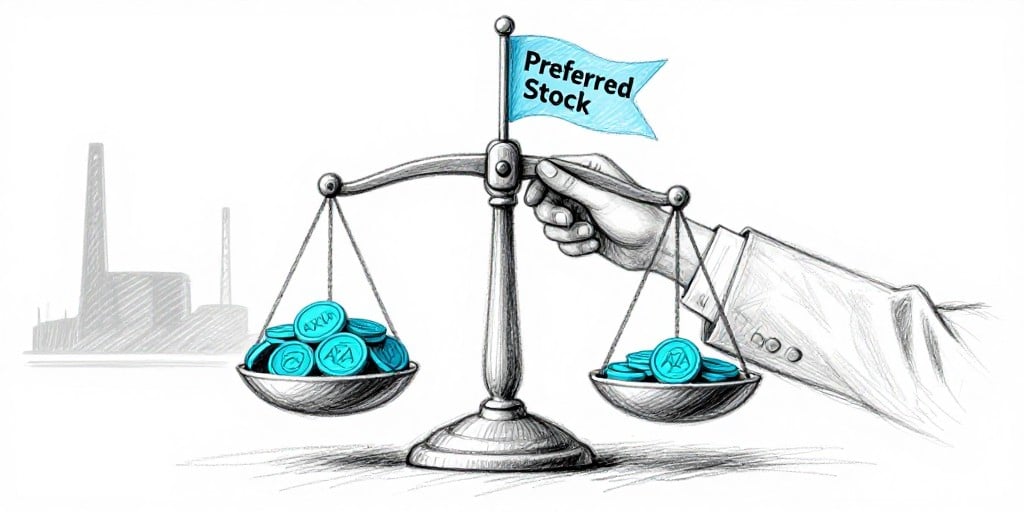
The most recent Form 4 filed on 12 August 2026 documents a significant divestiture by senior director Pedro Batista de Lima Filho. The transaction involves the liquidation of 19,500 common shares at an average price of R$ 49.85 (≈ US $9.63), reducing his post‑transaction holding to 13,946,619 shares—an ≈ 11 % decline from the 14,058,000 shares reported earlier that month. Though the dollar value of the trade (≈ US $188 k) is modest, the pattern of frequent insider selling raises analytical interest, particularly in the context of AXIA Energia’s market position and the broader Brazilian energy sector.
1. Market Dynamics
| Date | Owner | Transaction Type | Shares | Price per Share | Security |
|---|---|---|---|---|---|
| 2026‑08‑12 | Batista de Lima Filho Pedro | Sell | 19,500 | 9.63 | Common Shares |
| 2026‑08‑12 | Batista de Lima Filho Pedro | Sell | 10,600 | 9.63 | Common Shares |
| 2026‑08‑12 | Batista de Lima Filho Pedro | Sell | 2,000 | 9.63 | Common Shares |
| 2026‑08‑12 | Batista de Lima Filho Pedro | Sell | 1,100 | 9.63 | Common Shares |
| 2026‑08‑12 | Batista de Lima Filho Pedro | Sell | 5,700 | 9.63 | Common Shares |
| 2026‑08‑12 | Batista de Lima Filho Pedro | Sell | 6,100 | 9.63 | Common Shares |
| 2026‑08‑12 | Batista de Lima Filho Pedro | Buy | 19,700 | 9.56 | Class “C” Preferred Shares |
| 2026‑08‑12 | Batista de Lima Filho Pedro | Buy | 10,700 | 9.56 | Class “C” Preferred Shares |
| 2026‑08‑12 | Batista de Lima Filho Pedro | Buy | 2,000 | 9.56 | Class “C” Preferred Shares |
| 2026‑08‑12 | Batista de Lima Filho Pedro | Buy | 1,100 | 9.56 | Class “C” Preferred Shares |
| 2026‑08‑12 | Batista de Lima Filho Pedro | Buy | 5,800 | 9.56 | Class “C” Preferred Shares |
| 2026‑08‑12 | Batista de Lima Filho Pedro | Buy | 6,200 | 9.56 | Class “C” Preferred Shares |
The trading activity in the immediate week prior to the sale—more than 200,000 shares sold across multiple transactions—indicates a strategic portfolio rebalancing rather than a panic liquidation. The acquisition of preferred shares at a price only marginally below the closing level suggests a deliberate move toward a less volatile, more liquid asset class while retaining exposure to AXIA’s equity base.
2. Competitive Positioning
AXIA Energia operates as Brazil’s largest integrated power company, with a market capitalization of US $112 billion and a price‑to‑earnings ratio of 13.64. Its generation portfolio is diversified across hydroelectric, thermal, and renewable sources, providing a resilient revenue stream amid fluctuating commodity prices. Compared with peers such as Eletrobras and Itaúsa, AXIA’s asset mix delivers lower operating leverage and a stable cash‑flow profile, positioning it favorably for incremental infrastructure investments.
The insider selling activity does not materially alter the company’s competitive moat. AXIA’s scale, regulatory footprint, and long‑term contracts for power purchases continue to underpin its market dominance. Moreover, the company’s ongoing capital‑expenditure programme—focused on expanding renewable capacity and upgrading transmission assets—aligns with Brazil’s national energy transition agenda, offering a sustainable growth trajectory that is largely insulated from short‑term share‑price fluctuations.
3. Economic Factors
Brazil’s energy demand is projected to grow at an annual rate of 3–4 % over the next decade, driven by urbanisation, industrial expansion, and electrification initiatives. The country’s regulatory environment has recently introduced incentives for renewable energy development, which AXIA is poised to capture through its existing renewable assets and planned investments. Currency volatility, however, remains a key risk factor: the Brazilian real’s depreciation against the U.S. dollar can erode profitability in dollar‑denominated debt and import‑related costs.
The insider selling pattern coincides with a period of market consolidation. AXIA’s stock has experienced a 5.9 % decline in the month and a 9.28 % decline in the week, reflecting broader sectoral sentiment rather than company‑specific issues. The modest price differential between the insider sale and the closing price indicates that the sale is unlikely to trigger a significant market reaction, yet the cumulative volume of shares sold could heighten volatility if followed by additional trades.
4. Investor Implications
- Short‑Term Volatility
- A concentrated insider sell‑off can prompt a temporary decline in liquidity and bid‑ask spreads.
- Market participants should monitor subsequent insider transactions, particularly any further preferred‑share purchases that could convert into common shares, thereby affecting ownership concentration.
- Long‑Term Fundamentals
- AXIA’s core business model—diverse generation mix, strong regulatory backing, and a solid balance sheet—remains robust.
- The company’s capital‑intensive projects are financed through a mix of debt and equity, providing a buffer against short‑term market swings.
- Strategic Rebalancing
- The shift from common to preferred shares suggests a tactical move to reduce exposure to price volatility while maintaining a stake in the company’s future upside.
- Preferred shares, convertible at a 1:1 ratio, could enhance long‑term equity participation if conversion is exercised, potentially influencing governance dynamics.
5. Conclusion
Pedro Batista de Lima Filho’s recent insider sale represents a segment of a broader, methodical portfolio management strategy. While the transaction draws attention to potential liquidity needs or a pre‑emptive capture of gains, it does not undermine AXIA Energia’s solid financial footing or competitive position within Brazil’s energy sector. Investors should remain vigilant regarding subsequent insider activity and the preferred‑share conversion mechanism, yet the company’s diversified generation assets and alignment with Brazil’s evolving energy policies continue to support a positive long‑term outlook.