
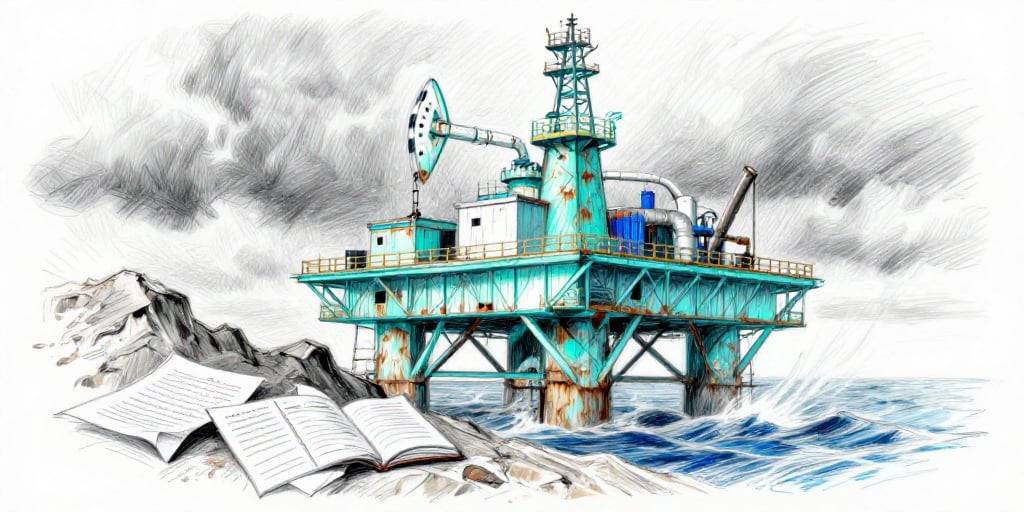
Corporate Implications of Insider Liquidation Amidst a Volatile Sustainable Aviation Fuel Landscape
The recent disclosure that XCF Global Inc. owner SOULE RANDY liquidated nine million Class A shares on 30 April 2026 has amplified scrutiny of the company’s strategic trajectory within the broader energy sector. While the sale itself may appear a routine shareholder transaction, it intersects with a period of pronounced turbulence in the sustainable aviation fuel (SAF) market, heightened regulatory scrutiny, and shifting geopolitical dynamics that are reshaping both conventional and renewable energy production, storage, and deployment.
1. Energy Market Context
1.1 Conventional Energy Production
Conventional fossil‑fuel producers are experiencing a recalibration of output levels in response to fluctuating oil prices and tightening environmental regulations. In the United States, the Department of Energy has expanded its strategic petroleum reserve, prompting a temporary increase in crude inventories. Conversely, in oil‑producing regions such as the Middle East, geopolitical tensions—most notably the recent escalation in the Strait of Hormuz—have constrained throughput, thereby compressing supply chains and elevating spot prices. These dynamics are driving a marginal increase in the cost of conventional fuel production, which in turn influences the competitive positioning of SAF alternatives.
1.2 Renewable Energy Production
Renewable power generation, particularly solar and wind, continues to expand at a compound annual growth rate of over 12 % worldwide. However, the renewable sector faces a supply‑side bottleneck: a persistent shortage of critical minerals—such as lithium, cobalt, and rare‑earth elements—necessary for battery storage and power electronics. The resulting scarcity has pushed raw‑material prices upward, raising the capital‑expenditure (CAPEX) profiles of new renewable installations and influencing the cost‑of‑energy (COE) calculations that feed into policy‑driven subsidies and incentive structures.
1.3 Storage and Grid Integration
Energy storage is pivotal for balancing intermittency in renewables and ensuring grid reliability. Technological advancements in flow batteries and solid‑state electrolytic systems are mitigating storage losses, yet the economic feasibility of large‑scale deployment remains contingent on policy incentives and grid‑integration costs. In many regions, the regulatory frameworks governing inter‑state transmission and cross‑border energy trade are lagging behind technological capabilities, creating a regulatory friction that can delay the realization of cost savings from distributed storage solutions.
2. Technical and Economic Factors Affecting SAF
Sustainable aviation fuel production sits at the nexus of these market forces. XCF Global Inc.’s recent announcements of the New Rise Renewables Reno facility and a letter of intent for a Louisiana green‑methanol project illustrate the company’s ambition to scale up production. Yet, the SAF value chain is characterized by:
Feedstock Availability: Bio‑based precursors such as waste cooking oil, agricultural residues, and algae require robust supply agreements. Volatility in feedstock prices—driven by concurrent demand for biofuels in agriculture and food sectors—introduces cost uncertainty.
Conversion Technology: Thermochemical and biochemical pathways for SAF synthesis differ markedly in capital intensity and energy efficiency. The Reno plant’s expected restart is contingent upon achieving a 70 % conversion yield, a benchmark that, if met, could lower the COE by up to 15 % relative to baseline projections.
Regulatory Incentives: In the United States, the Corporate Average Fuel Economy (CAFE) standards and the Clean Fuel Standard (CFS) are evolving to accommodate SAF. However, the pace of regulatory adoption is uneven across states, creating a patchwork of incentives that affect project economics on a regional basis.
Geopolitical Considerations: Global supply chains for catalysts and process equipment are increasingly sourced from Asia, where geopolitical tensions with the United States could trigger export controls or trade sanctions, thereby inflating CAPEX for SAF projects.
3. Insider Liquidation: Signals and Implications
SOULE RANDY’s sale of nine million shares at $0.34, against a backdrop of a 0.02 % price decline and a 98.49 % social‑media buzz, suggests heightened market sensitivity to insider activity. Several inferences emerge:
Liquidity Needs vs. Strategic Confidence: The timing of the sale—coinciding with announcements of new renewable projects—may indicate an exigent cash requirement to fund capital expenditures or to service existing debt, potentially signaling that the company’s management is prioritizing short‑term liquidity over long‑term confidence in its SAF initiatives.
Market Valuation Concerns: The company’s year‑to‑date decline from $45.9 to $0.12, coupled with a market cap of approximately $137 million, raises the possibility that insider sales reflect an expectation of continued valuation erosion unless production milestones are achieved.
Pattern of Gradual Divestiture: The owner’s consistent, staged sales throughout 2026 (e.g., 2.8 million shares sold in March alone) point to a deliberate exit strategy rather than panic. This pattern may reassure investors that insider confidence remains intact, provided that forthcoming project milestones materialise.
4. Risks and Opportunities for Investors
| Risk | Description | Mitigation |
|---|---|---|
| Demand Volatility | Fluctuating SAF demand due to airline route changes and fuel cost sensitivity. | Diversify into multiple feedstock sources; secure long‑term purchase agreements. |
| Regulatory Lag | Variable adoption of CAFE and CFS across states. | Monitor policy developments; engage with regulatory bodies to secure incentives. |
| Supply Chain Disruption | Geopolitical tensions impacting catalyst supply. | Source alternative suppliers; maintain buffer stocks of critical components. |
| Capital Constraints | High CAPEX for renewable facilities and storage infrastructure. | Leverage debt financing with favorable terms; pursue public‑private partnership opportunities. |
Opportunities arise from the company’s potential to:
- Capture Market Share: Successful ramp‑up of the Reno plant and the Louisiana methanol project could position XCF as a leading SAF producer in the U.S. market.
- Benefit from Subsidies: Anticipated expansions in renewable fuel subsidies could enhance project economics.
- Leverage Technological Innovation: Early adoption of efficient conversion technologies could reduce operating costs and improve competitive advantage.
5. Conclusion
The insider liquidation event serves as a microcosm of the broader uncertainties facing the SAF sector. While the sale itself does not necessarily presage a downturn, it underscores the interplay between corporate financing decisions and market dynamics. Investors and stakeholders must therefore assess XCF Global Inc.’s strategic trajectory within the context of evolving energy production patterns, storage technology advancements, regulatory developments, and geopolitical realities that collectively shape the future of sustainable aviation fuels.