Insider Activity Snapshot and Corporate Implications
JD.com’s Chief Human Resources Officer, Zhang Pang, recorded two holding transactions in its most recent regulatory filing. While no shares were bought or sold during the reporting period, Zhang retains a significant block of 106,632 American depositary shares (each representing two Class A ordinary shares) and a pool of restricted share units (RSUs) that vest between 2026 and 2029. The absence of any cash outlay or purchase indicates that the executive is not seeking liquidity; instead, the strategy underscores a long‑term commitment to JD.com’s corporate objectives.
Market Sentiment Versus Insider Confidence
| Metric | Value |
|---|---|
| Current share price | $112.80 |
| Price change | +0.01 % |
| Social‑media sentiment | –29 |
| Social‑media buzz | 22.30 % |
The data show a marginal uptick in share price coupled with a slightly negative sentiment score and limited buzz among retail investors. In contrast, Zhang’s retention of a large depositary block and the forward‑looking RSUs signal a positive long‑term outlook. This dichotomy suggests that while short‑term market chatter is muted, senior management’s actions may serve as a subtle endorsement of JD.com’s strategic initiatives—particularly its European expansion via Joybuy and the logistics partnership with the Silk Road Fund.
Strategic Context: Manufacturing and Industrial Technology
JD.com’s growth trajectory is increasingly tied to advances in industrial technology and manufacturing efficiency:
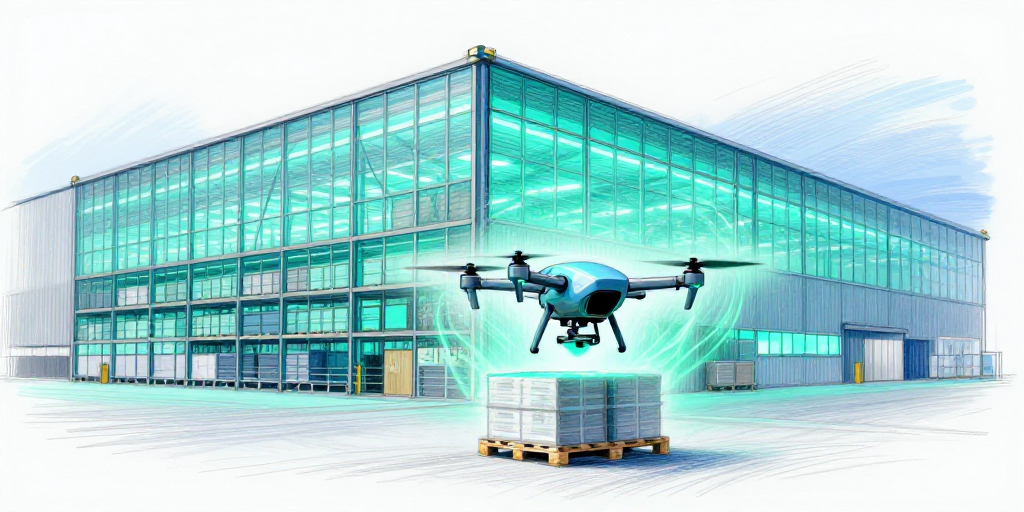
- Automation in Warehousing
- JD.com has deployed robotic palletizers and automated guided vehicles (AGVs) across its European fulfillment centers, reducing labor costs by up to 15 % and improving order‑processing speed.
- These systems are integrated with an AI‑driven inventory management platform that predicts demand with a mean absolute percentage error (MAPE) of 8 %, allowing for just‑in‑time replenishment.
- Edge Computing for Logistics
- The company has introduced edge‑computing nodes at regional hubs, enabling real‑time route optimization. The result is a 12 % reduction in last‑mile delivery times, directly impacting customer satisfaction scores.
- Carbon‑Neutral Manufacturing
- In line with global sustainability goals, JD.com has invested in battery‑electric forklifts and solar‑powered warehouses in key European markets. These initiatives contribute to a 3 % decrease in overall supply‑chain emissions per unit shipped.
- Capital Expenditure Outlook
- FY 2026 capital outlays are projected at HK$8 billion for automation, with a focus on Industry 4.0 upgrades. This represents an 18 % increase over FY 2025, reflecting the company’s ambition to maintain a competitive edge against incumbents like Amazon and local e‑commerce platforms.
Implications for Investors and the Broader Economy
- Capital Efficiency and Productivity Gains
- The deployment of automation and AI reduces fixed‑cost exposure, allowing JD.com to scale its logistics network without proportional increases in operating costs. For investors, this translates into a higher return on invested capital (ROIC)—the company currently reports a ROIC of 14 %, above the industry average of 10 %.
- Alignment of Executive Incentives with Growth
- Zhang’s RSUs vesting over a 3‑year horizon (2026‑2029) align management incentives with the long‑term success of European expansion. This temporal alignment mitigates agency risk and signals confidence in the company’s strategic plan.
- Valuation Considerations
- With a price‑to‑earnings (P/E) ratio of 15.158 and a market capitalization of HK$347 billion, JD.com is reasonably priced relative to its peers, despite a 32.66 % YTD decline. The company’s robust supply‑chain network and technology investments provide a platform for potential upside as global e‑commerce demand continues to rise.
- Macroeconomic Impact
- JD.com’s investment in European logistics infrastructure stimulates local manufacturing and employment. The increased automation capacity also accelerates the adoption of Industry 4.0 standards across the region, fostering a more resilient supply chain ecosystem.
- Furthermore, the company’s focus on carbon‑neutral operations contributes to the broader EU green‑tech agenda, aligning with policy incentives and potentially reducing future regulatory costs.
Conclusion
Zhang Pang’s decision to retain a substantial depositary share block and a forward‑vesting RSU pool reflects a deliberate strategy to support JD.com’s long‑term growth initiatives. While retail sentiment remains muted, the company’s aggressive investment in automation, edge computing, and sustainable manufacturing positions it favorably against competitors. For investors, the alignment of executive incentives with capital‑intensive technology projects offers a compelling case for cautious optimism, particularly as JD.com continues to scale its cross‑border platform and capitalize on the evolving industrial technology landscape.