
Orthofix Medical Inc. – Insider Purchase Amid a Turbulent Quarter
Orthofix Medical Inc. (NASDAQ: ORTH) experienced a notable insider transaction on May 22, 2026, when Juniper Investment Company, LLC acquired 242,000 shares at an average price of $10.70. The transaction represents roughly 0.65 % of the company’s total shares outstanding and occurs at a price slightly above the contemporaneous market level of $9.27.
Market Dynamics
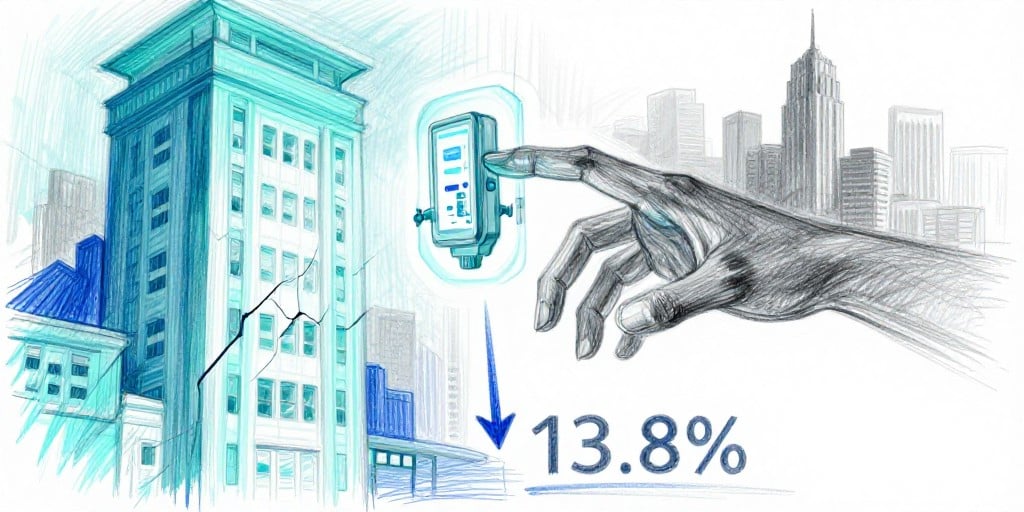
The stock has declined sharply during the reporting period, falling 13.8 % over the week and 19.3 % over the month. The current valuation metrics reflect a negative price‑earnings ratio of –6.2, underscoring weak earnings relative to market price. Orthofix’s 52‑week high has been $16.99, and the share price remains near its 52‑week low, indicating sustained downward pressure.
| Metric | Value |
|---|---|
| 52‑Week High | $16.99 |
| 52‑Week Low | $9.27 |
| P/E Ratio | –6.2 |
| Market Cap | $1.2 B (approx.) |
The transaction is a small but significant event in a context of broader volatility. The modest purchase price, coupled with the current negative P/E, suggests that the investor is engaging in a “buy the dip” strategy rather than signalling a strong bullish outlook.
Competitive Positioning
Orthofix operates in the orthopedic medical device sector, a market dominated by firms such as Zimmer Biomet, Stryker, and DePuy Synthes. The company’s product portfolio includes bone fixation systems and spinal devices. Compared to its peers, Orthofix has lower revenue growth and higher debt levels, which contribute to its weak earnings profile.
Key competitive factors include:
- Innovation Pipeline – Orthofix’s recent product launches have not yet achieved significant market penetration, limiting revenue diversification.
- Pricing Power – The company’s pricing structure is relatively inflexible, constrained by reimbursement policies in major markets.
- Cost Structure – Fixed manufacturing overheads and supply‑chain dependencies have limited the company’s ability to adjust margins rapidly.
Juniper’s accumulation of shares during periods of market weakness may indicate anticipation of a future improvement in these competitive dynamics, potentially driven by new product introductions or cost‑control initiatives.
Economic Factors
The medical device industry is sensitive to macroeconomic conditions that influence healthcare spending. Recent economic trends impacting Orthofix include:
- Healthcare Reimbursement – Changes in payer policies, particularly in the U.S., have affected device reimbursement rates.
- Capital Expenditure Cycles – Hospitals and surgical centers have moderated capital spending in the wake of economic uncertainty, dampening demand for new implants.
- Currency Exposure – Orthofix’s revenue mix includes a notable portion of sales in euro‑ and yen‑denominated markets, exposing it to exchange‑rate fluctuations.
These factors contribute to the company’s current valuation challenges, as they constrain revenue growth and elevate risk perceptions among investors.
Governance Concerns
A recent investigation by Purcell & Lefkowitz LLP into the company’s shareholder‑rights procedures has heightened scrutiny of Orthofix’s governance structure. While the investigation has yet to yield regulatory action, the potential for legal or regulatory consequences could exacerbate downward price pressure if the outcome is unfavorable.
Juniper’s Historical Activity
Juniper Investment Company, LLC has a documented history of large block purchases of Orthofix shares:
- Early May 2025 – Purchased 3.46 million shares.
- 2026 – Held 935,901 shares and 45,426 shares, with no public commentary on rationale.
The firm’s activity clusters in the first half of the year and typically occurs near the 52‑week low. This pattern suggests a strategy of opportunistic accumulation during periods of market weakness, possibly anticipating a rebound. However, the absence of disclosed strategic intent limits the ability of market participants to interpret these moves definitively.
Implications for Investors
Juniper’s recent purchase is a small but noteworthy event in a volatile environment. It signals that at least one large institutional investor perceives value in Orthofix’s equity despite weak fundamentals and impending governance scrutiny. Investors should:
- Monitor Regulatory Developments – Any adverse outcome from the Purcell & Lefkowitz investigation could further depress the share price.
- Track Operational Progress – Advances in product development, cost‑control measures, or improvements in revenue growth could justify Juniper’s accumulating stake.
- Assess Market Conditions – Broader economic trends affecting healthcare spending will continue to influence Orthofix’s financial performance.
In sum, while the insider purchase may provide a modest boost to liquidity and support share price momentum, it is unlikely to offset the company’s underlying challenges. Investors should weigh the potential upside of Juniper’s long‑term positioning against the risks posed by Orthofix’s current financial trajectory and governance concerns.