Insider Trading Activity Signals Strategic Momentum at Maplebear Inc.
Overview of Recent Transactions
On March 11, 2026, Fong Morgan, Maplebear’s General Counsel and Secretary, executed a well‑structured Rule 10b‑5 trading plan. The plan comprised:
| Transaction | Shares | Price per Share | Proceeds (≈) |
|---|---|---|---|
| Purchase of vested options | 110,340 | $7.32 | – |
| Sale 1 | 75,219 | $36.87 | $2,201,000 |
| Sale 2 | 35,121 | $37.57 | $1,319,000 |
| Sale 3 | 10,788 | $36.87 | $397,000 |
| Sale 4 | 4,955 | $37.59 | $186,000 |
| Total sales | 125,183 | — | $4,103,000 |
Morgan’s net position after the transaction was 391,598 shares, reflecting a disciplined approach to liquidity management and capital allocation.
Strategic Context
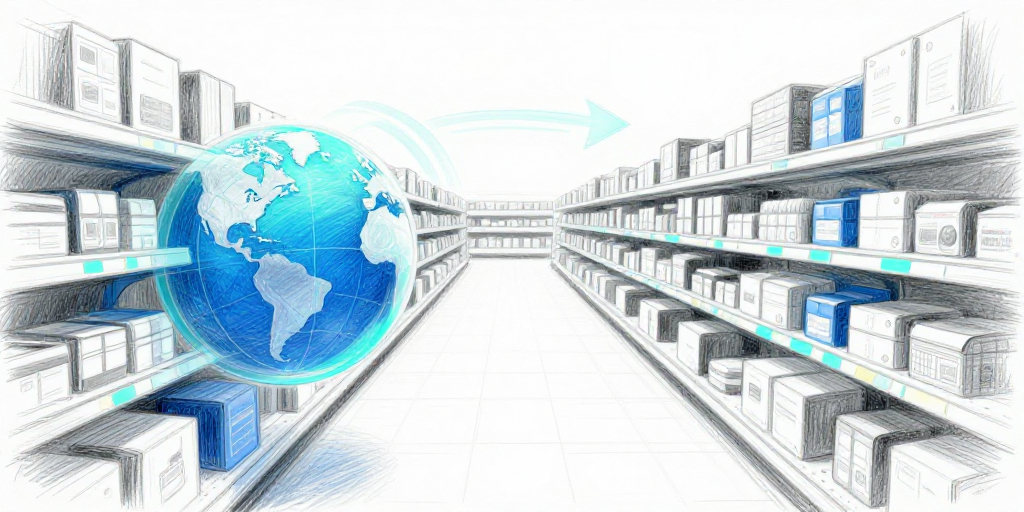
The timing of the insider transactions coincides with the announcement of a partnership that expands Maplebear’s e‑commerce footprint through a marketplace platform offering no‑markup grocery pickup. This move aligns with broader industry trends toward omni‑channel retail and direct-to-consumer logistics. The partnership is expected to:
- Accelerate digital transformation by integrating Maplebear’s supply‑chain infrastructure with partner platforms.
- Capture a share of the rapidly growing on‑line grocery segment, which has outpaced traditional retail in post‑pandemic consumer behavior.
- Generate new revenue streams through marketplace fees, while maintaining control over the customer experience.
Implications for Consumer Behavior and Retail Trends
Lifestyle Shifts Toward Convenience Younger generations (Gen Z and Millennials) increasingly prioritize convenience and speed over price. The no‑markup pickup option caters to this preference, offering a frictionless experience that reduces the need for in‑store shopping.
E‑commerce as a Primary Channel Retail data indicates that online grocery sales now represent 25 % of total grocery revenue, with a projected annual growth rate of 12 %. Maplebear’s marketplace partnership positions the company to capture a larger share of this evolving channel.
Personalization and Data Utilization The digital platform will collect rich consumer data, enabling personalized recommendations and targeted promotions. This aligns with the broader move toward data‑driven retail strategies, where consumer insights drive inventory and marketing decisions.
Strategic Business Opportunities
Capital Structure Optimization The proceeds from the insider sales, combined with the strategic partnership, allow Maplebear to re‑allocate capital toward high‑yield growth initiatives, such as expanding delivery fleets or investing in AI‑powered demand forecasting.
Margin Discipline and Revenue Diversification By leveraging its existing logistics network, Maplebear can maintain healthy gross margins while diversifying revenue through marketplace fees and subscription models (e.g., premium delivery tiers).
Long‑term Shareholder Value Creation The disciplined insider activity signals management confidence in the company’s valuation trajectory. Investors should monitor how the partnership translates into sustained earnings growth and whether the company can maintain its price‑earnings ratio of 22.83 against rising operating costs.
Conclusion
Fong Morgan’s recent insider transactions reflect a calculated, rule‑compliant approach to capital management, aligned with Maplebear’s strategic push into digital retail. The partnership announcement and the disciplined use of a Rule 10b‑5 plan demonstrate that senior management is proactively positioning the company to capitalize on generational consumer trends—particularly the demand for convenient, data‑driven shopping experiences—while preserving margin discipline and creating new revenue streams. Investors attentive to the company’s ability to execute on this marketplace strategy should find a compelling case for sustained long‑term growth.