Insider Activity at Rivian and Its Implications for the Automotive and Technology Sectors
Introduction
On 15 February 2026, Chief Executive Officer Robert Scaringe executed a modest sale of 35,578 Class A shares of Rivian Automotive, Inc. (NASDAQ: RIVN) through a Rule 10b‑5‑1 plan at $17.73 per share. This transaction represents roughly 0.03 % of Scaringe’s holdings, a fraction that is unlikely to alter ownership balances or trigger significant market movement. While the trade itself is routine, its timing and context offer a lens through which to examine broader trends in executive ownership, regulatory frameworks, and market dynamics within the electric‑vehicle (EV) and high‑technology industries.
Regulatory Environment and Compliance
The Rule 10b‑5‑1 mechanism is a well‑established, court‑approved method that allows insiders to liquidate positions without the risk of market‑timing concerns. By pre‑approving the sale and executing it at or near market price, executives demonstrate compliance with the Securities Exchange Act of 1934 and the SEC’s “Rule 10b‑5‑1” guidance. This compliance framework is particularly relevant for capital‑intensive sectors such as automotive manufacturing, where insiders often hold large equity blocks and must balance personal liquidity needs against shareholder expectations.
Across the broader sector, regulators are intensifying scrutiny of executive compensation and ownership disclosure. The SEC’s recent emphasis on “material insider activity” and the introduction of stricter reporting windows mean that even modest trades can signal strategic intent to market participants. In the EV space, where companies frequently engage in joint ventures and supply‑chain agreements, regulatory oversight extends to cross‑border transactions, adding another layer of complexity for insiders.
Market Fundamentals and Investor Signals
Rivian’s stock price currently sits near its 52‑week low, yet the firm recently posted an earnings beat that propelled the share price upward by more than 9 % in the following week. This rebound illustrates the company’s resilience amid supply‑chain bottlenecks and competitive pressure from incumbents such as Tesla, Lucid, and traditional automakers pivoting to electrification.
Insider activity, including that of CFO Claire McDonough and other senior officers, has been predominantly routine—selling several dozen thousand shares each in the past month for vesting and cash‑needs purposes. Scaringe’s net outflow of approximately 100 000 shares in the last quarter is consistent with a disciplined cash‑management strategy rather than a signal of impending distress. The trades occurred at or slightly below market price, reinforcing the perception of orderly, rule‑based execution.
From a broader market perspective, the EV sector is characterized by high capital expenditure, rapid technological evolution, and aggressive product rollouts. Companies must navigate volatile commodity prices, regulatory incentives, and shifting consumer preferences. Insider transactions that remain within the “normal” range tend to reinforce confidence in a company’s fundamentals, especially when paired with robust revenue growth and a clear product roadmap.
Competitive Landscape and Hidden Trends
Electric‑Vehicle Ecosystem
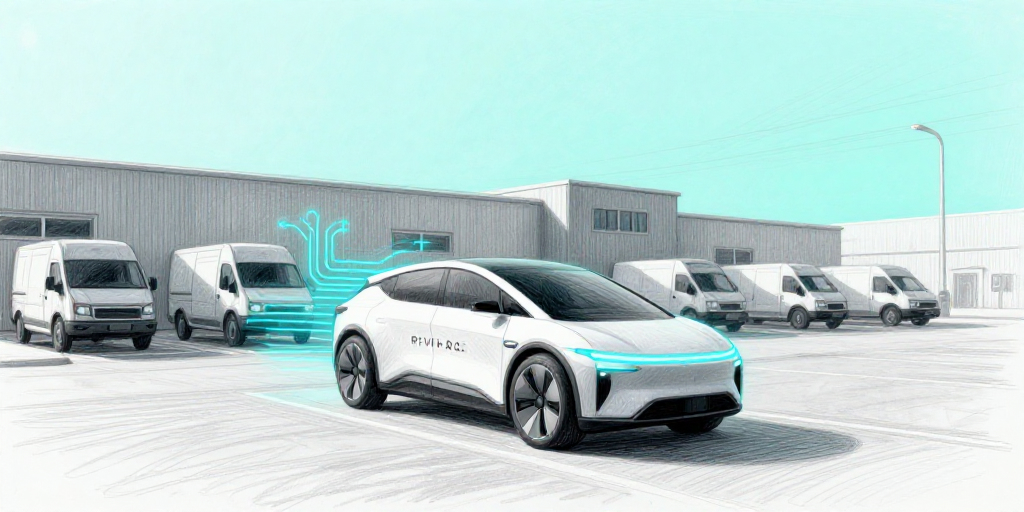
Rivian’s focus on the R2 SUV and truck lineup positions it in a niche that competes with both luxury electric pickups and mass‑market vehicles. The company’s strategic partnerships with Amazon for delivery vans and Walmart for fleet deployment provide revenue diversification beyond consumer sales. Hidden within this landscape is a trend toward “vehicle-as-a-service” models, where companies lease and manage fleets for retail partners, creating recurring revenue streams that may stabilize earnings in the face of cyclicality.
Technology Integration
The integration of advanced driver‑assist systems (ADAS) and over‑the‑air (OTA) updates is becoming a differentiator among EV makers. Rivian’s investment in its own autonomous driving platform and the potential for OTA software revenue represent an opportunity that aligns with broader technology industry trends. However, this also introduces risks related to cybersecurity, regulatory approval, and the need for continuous software development investment.
Supply‑Chain Dynamics
The global semiconductor shortage and raw‑material price volatility have disproportionately affected automotive manufacturers. Insiders’ cash‑needs trades may reflect the company’s strategy to preserve liquidity for capital‑intensive ramp‑up of production facilities. In the long term, firms that secure diversified supply chains and invest in in‑house component manufacturing may gain a competitive advantage, but these moves require significant capital outlays.
Risks and Opportunities Across Multiple Industries
| Sector | Hidden Opportunity | Key Risk |
|---|---|---|
| Automotive | Fleet‑leasing partnerships with large retailers | Supply‑chain bottlenecks |
| Technology | OTA software revenue and autonomous driving | Cybersecurity threats |
| Energy | Integration with renewable charging infrastructure | Regulatory changes in subsidies |
| Manufacturing | Economies of scale in battery production | Capital intensity and debt levels |
The disciplined insider trading observed at Rivian underscores a broader trend in the technology and manufacturing sectors: executives are increasingly leveraging rule‑based liquidation plans to manage liquidity without compromising shareholder value. This practice can be advantageous for companies navigating capital‑intensive expansion, provided that the underlying business model remains sound.
Conclusion
The recent sale by CEO Robert Scaringe represents a routine, rule‑based transaction that is unlikely to influence Rivian’s share price or strategic trajectory. Insider selling remains within normal limits, and the company’s earnings momentum, coupled with its product roadmap, continues to drive long‑term value. For investors, the key is to monitor how Rivian executes its R2 launch and production ramp, while recognizing that disciplined insider trading reflects confidence in the company’s future prospects.
In the broader context, the EV and technology industries face a confluence of regulatory scrutiny, competitive dynamics, and hidden opportunities such as fleet leasing and OTA services. Firms that can balance these factors—managing liquidity, capital intensity, and innovation—will be better positioned to thrive in an increasingly complex market environment.