Corporate News Analysis: Royal Caribbean’s Insider Activity and Strategic Outlook
Royal Caribbean Cruises Ltd. (RCL) has recently attracted attention in the equity markets, not merely for its headline‑grabbing dividend increase and debt‑refinancing plan, but also for the nuanced patterns of insider trading revealed in the most recent SEC filing. Chief Accounting Officer Henry Pujol’s February 10 transaction— a purchase of 10,788 shares tied to performance‑share vesting coupled with a simultaneous sale of 4,111 shares to offset tax withholding—provides a microcosm of how senior management balances short‑term liquidity with long‑term confidence in the company’s trajectory.
Insider Transactions in Context
From a purely quantitative standpoint, Pujol’s net increase of 6,677 shares (18,142 post‑transaction holdings) is modest compared with the large block trades executed by CEO Jason Liberty and CFO Naftali Holtz. Pujol’s activity aligns closely with a tax‑hedging routine rather than a speculative bet on price appreciation. His consistent pattern of selling a small number of shares immediately after a vesting event, followed by a purchase of performance shares on the same day, indicates disciplined portfolio management. This contrasts sharply with Liberty’s 275 k‑share purchase on February 10, underscoring a leadership hierarchy that balances aggressive capital allocation with prudent fiscal oversight.
Strategic Implications
Dividend Upsurge as a Value Signal RCL’s 50 % dividend hike, coupled with a 26.5 % yearly gain and a 22.19 price‑to‑earnings ratio, signals robust earnings resilience. The dividend increase not only rewards long‑term shareholders but also enhances the firm’s attractiveness to income‑seeking institutional investors, thereby stabilising the stock’s support base.
Debt Refinancing and Capital Allocation The recent senior‑unsecured note issuance reduces interest burden, freeing capital for fleet expansion and share repurchases. For an industry that thrives on capital intensity, this move bolsters RCL’s balance sheet, providing a buffer against volatile fuel prices and geopolitical uncertainties.
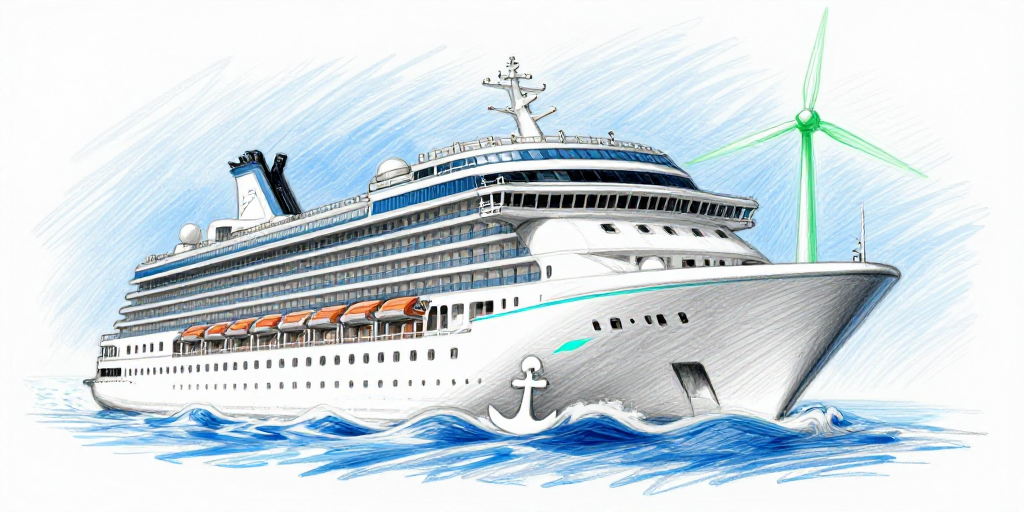
Fleet Expansion and Emerging Markets The new vessels, slated for launch in 2027, are designed with sustainable technologies and digital‑first cabin experiences. This aligns with a broader strategy to capture emerging markets in the Caribbean and Pacific, where consumer demand for eco‑friendly travel is growing.
Editorial Insight: Lifestyle, Retail, and Consumer Behaviour
Digital Transformation and the Evolving Consumer Experience
The cruise industry has historically been tethered to in‑port retail and on‑board services. RCL’s pivot toward a digital‑first experience—streamlined booking portals, AI‑powered itinerary customization, and immersive in‑ship entertainment—responds to a generational shift toward instant, personalized consumption. Gen Z and Millennials increasingly expect frictionless digital interactions before, during, and after travel. By integrating a unified mobile platform that offers real‑time itinerary updates, on‑deck ordering, and social media sharing, RCL can elevate customer loyalty and increase ancillary revenue streams.
Lifestyle Trends and Retail Integration
Modern travelers no longer view a cruise as merely a destination; they seek lifestyle experiences that blend wellness, gastronomy, and cultural immersion. RCL’s new ships incorporate wellness spas, farm‑to‑table dining venues, and curated cultural tours. These lifestyle amenities dovetail with the growing experience economy trend, where consumers are willing to pay premium for unique, curated moments. Retail partners—luxury fashion houses, artisanal beverage producers, and tech gadget vendors—are increasingly aligning with cruise lines to offer exclusive in‑port pop‑ups and ship‑board boutiques, creating a symbiotic relationship that boosts both parties’ brand equity.
Consumer Behaviour and Generational Trends
Sustainability as a Purchase Driver Younger consumers prioritize environmental impact. RCL’s investment in LNG‑powered engines and waste‑reduction protocols positions the brand as a responsible choice, potentially capturing market share from competitors slower to adapt.
Social Sharing and Influencer Marketing The 312 % spike in social‑media buzz, paired with a +64 sentiment score, demonstrates the power of user‑generated content. Strategic collaborations with travel influencers can amplify brand reach and authenticate the cruise experience.
Personalisation Through Data Analytics By leveraging data from booking patterns, onboard preferences, and post‑trip feedback, RCL can tailor marketing offers and cabin upgrades to individual customer profiles, enhancing lifetime value.
Strategic Business Opportunities
- Digital Ecosystem Expansion: Develop an integrated app that consolidates booking, concierge services, loyalty rewards, and post‑trip reviews, creating a seamless customer journey.
- Partnerships with Lifestyle Brands: Secure exclusive retail agreements on ships and ports, offering passengers curated shopping experiences that generate ancillary revenue.
- Sustainable Fleet Innovation: Position RCL as an industry leader in green cruising by investing in hydrogen fuel cells or battery‑powered vessels, appealing to eco‑conscious travelers and potentially qualifying for green financing incentives.
- Data‑Driven Personalisation: Employ predictive analytics to recommend itineraries, onboard activities, and shore excursions, thereby increasing upsell opportunities.
- Emerging Market Penetration: Focus on untapped regions such as the West Indies, Eastern Caribbean, and Pacific islands, tailoring itineraries to local cultures while leveraging global brand recognition.
Bottom Line
Insider activity, when interpreted within the broader strategic context, offers a window into corporate confidence and risk appetite. Pujol’s conservative tax‑hedge trades reflect disciplined stewardship, while the CEO and CFO’s substantial purchases underscore a bullish stance on future earnings and capital allocation. Coupled with RCL’s dividend policy, debt optimisation, and fleet renewal, the company is well‑positioned to capitalize on evolving consumer preferences for digital convenience, sustainable travel, and lifestyle‑rich experiences. For investors, the alignment of internal signals with external financial strategies signals a resilient value‑creation pathway for the foreseeable future.