
Corporate News
Power Generation and Utility Systems: Technical and Economic Analysis of Spruce Power Holding Corp. in the Context of Grid Stability, Renewable Integration, and Regulatory Impacts
Spruce Power Holding Corp. (SPH) has attracted heightened attention from the investment community following a series of insider purchases by the Steel Partners Holdings L.P. umbrella group. The transactions, disclosed in a recent Form 4 filing dated April 15 2026, involve the acquisition of 10,463 shares at $4.09 per share, with subsequent purchases on April 16 and April 17 bringing the group’s cumulative holding to approximately 3.4 million shares—about 4.6 % of SPH’s outstanding equity. The purchase price remains essentially flat against the closing market price of $4.11, occurring during a modestly bullish weekly trend (+0.5 %) and a strong monthly run (+7.75 %). With a market cap of $74 million and a negative price‑earnings ratio, the company remains in a growth‑phase stage where capital appreciation can be significant.
Technical Context: Grid Stability and Renewable Integration
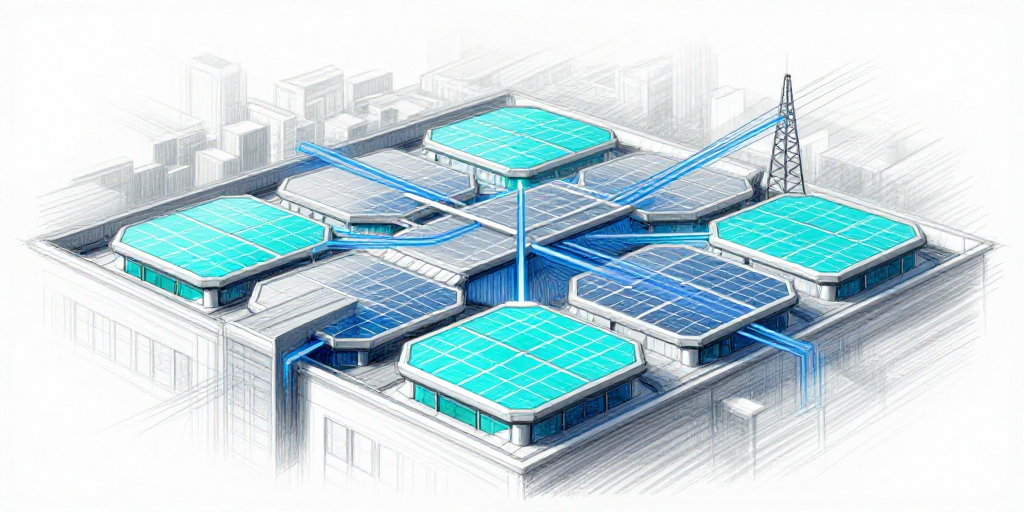
Spruce Power’s business model centers on a subscription‑based rooftop‑solar platform, delivering distributed generation (DG) to residential and commercial customers. Distributed solar has become a pivotal element of contemporary grid management strategies, offering the following technical benefits:
- Voltage Regulation – By feeding power at the point of use, rooftop solar reduces voltage rise issues that often plague over‑voltage scenarios in urban distribution networks.
- Loss Reduction – Local generation diminishes line losses, improving overall system efficiency and potentially lowering operating costs for utilities.
- Peak Shaving – During peak demand periods, distributed solar can attenuate the load on the grid, aiding in maintaining system reliability without the need for additional peaking power plants.
However, the integration of large volumes of intermittent renewable resources introduces operational challenges that must be addressed:
- Frequency Regulation – Solar generation is inherently variable; advanced inverter technologies and grid‑connected storage solutions are required to provide fast frequency response and support the inertia of the system.
- Curtailment Management – When solar output exceeds local demand or grid constraints, utilities may need to curtail generation, leading to potential revenue losses for producers like Spruce Power.
- Cyber‑Physical Security – The proliferation of smart inverters and communication networks expands the attack surface for cyber threats, necessitating robust security protocols and real‑time monitoring.
Economic Analysis: Infrastructure Investment and Capital Allocation
The recent insider activity suggests that Steel Partners Holdings L.P. perceives a misalignment between Spruce Power’s current valuation and the projected growth of its distributed solar portfolio. From an investment perspective, several economic factors warrant consideration:
- Capital Expenditure (CapEx) Requirements – Expansion of the subscription base requires substantial upfront investment in solar modules, mounting systems, and grid‑connect infrastructure. A steady buying cadence may indicate expectations of favorable debt or equity financing conditions.
- Operating Expenditure (OpEx) Dynamics – The subscription model reduces variable cost exposure relative to traditional utility models, as revenue streams are largely fixed. This can improve cash flow predictability, especially important during periods of high wholesale power prices.
- Return on Investment (ROI) Projections – Historical data from similar private equity‑backed renewable enterprises indicate 10–30 % rally potential post‑scale, contingent upon securing additional financing or achieving strategic partnerships that enhance operational efficiency.
The incremental purchase strategy employed by Steel Partners—buying shares at or near market price rather than executing a large block trade—implies a “buy‑the‑dip” approach. This strategy preserves market neutrality while building a position that can absorb future upside without exerting undue pressure on share price, thereby smoothing the impact of any forthcoming catalysts such as new project announcements or revenue‑boosting events.
Regulatory Environment and Policy Impacts
Regulatory developments continue to shape the trajectory of distributed solar adoption. Key policy trends include:
- Net Energy Metering (NEM) Reforms – Several states have introduced reforms that adjust compensation rates for excess solar generation fed back to the grid. Any tightening or liberalization of NEM policies can significantly affect Spruce Power’s revenue model and cash flow projections.
- Federal Incentives and Tax Credits – The phase‑out of the Investment Tax Credit (ITC) for solar projects, coupled with potential new federal subsidies for rooftop solar, may alter the cost‑benefit calculus for both investors and customers.
- Utility‑Sector Incentives for Distributed Solar – States implementing incentive programs for utilities to integrate distributed generation can create new revenue streams for Spruce Power through utility‑backed contracts.
Given the projected tightening of utility‑sector incentives in multiple jurisdictions, a favorable policy shift could accelerate adoption, thereby enhancing Spruce Power’s subscription base and justifying a higher valuation multiple.
Operational Challenges and Strategic Opportunities
Spruce Power must navigate several operational challenges while capitalizing on strategic opportunities:
- Supply Chain Resilience – Global supply chain disruptions can impact the availability and pricing of solar panels and related components, potentially delaying deployment schedules and affecting cost structures.
- Technology Integration – Leveraging advanced inverters capable of grid‑support services (frequency regulation, voltage control) can add value to both the company and its utility partners.
- Customer Acquisition and Retention – The subscription model’s success hinges on effective customer acquisition, competitive pricing, and low churn rates. Enhancing digital platforms for onboarding and service delivery can improve customer experience.
- Partnerships and Alliances – Steel Partners’ involvement in other renewable projects, such as wind farms and battery storage facilities, positions the group to bring strategic expertise and capital into Spruce Power, potentially facilitating integrated energy solutions that combine generation, storage, and demand response.
Outlook: Key Drivers to Monitor
- Earnings Guidance and Project Pipeline – The release of quarterly results next month will provide clarity on revenue outlook, cost structure, and the status of new rooftop‑solar contracts. A positive revision to the 12‑month revenue outlook would likely reinforce investor confidence.
- Capital‑Raising Activity – Future equity or debt rounds could dilute the existing stake but also inject critical working capital. Steel Partners’ willingness to purchase shares suggests they anticipate that the dilution will be offset by subsequent value creation.
- Regulatory and Policy Developments – State and federal policy shifts related to distributed solar incentives will continue to shape the market environment. Any new subsidies or policy frameworks that reduce barriers to adoption could accelerate growth.
In summary, the incremental buying pattern observed by Steel Partners Holdings L.P. signals a cautiously optimistic outlook for Spruce Power Holding Corp. The company’s subscription‑based rooftop‑solar model, combined with the strategic expertise of its private‑equity backers, positions it to benefit from continued growth in the distributed renewable sector, provided that regulatory conditions remain supportive and operational challenges are effectively managed.