Insider Selling Continues Amid a Quiet Market
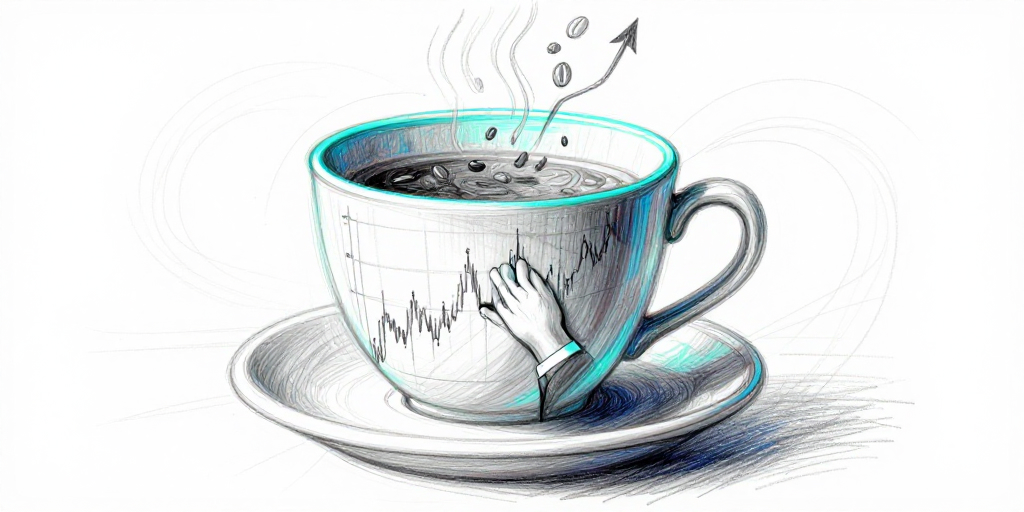
The most recent transaction by director‑dealing owner Knudstorp Jorgen Vig on March 23 2026—selling 354.86 shares at $93.83 each—constitutes the fourteenth insider sale in the preceding year for Starbucks. Vig, a long‑standing board member, now holds 53,006 shares, a slight reduction from 53,506 before the trade. The sale occurred on a day when the stock hovered near its 52‑week high, yet the share price moved almost imperceptibly, changing only 0.01 % from the prior close.
Key Insider Movements • CEO Brad Brewer and EVP Sara Kelly sold several hundred shares each in March. • New CEO Brian Niccol recorded a sizable sale in September 2025.
What the Pattern Signals to Investors
A solitary sale on an isolated date is routine; however, a concentration of over a dozen sales in a compressed timeframe can signal potential concerns. The timing—just after Starbucks reached a near‑year‑high—suggests insiders are taking profits rather than signaling confidence in forthcoming performance. With a P/E of 78.5 and a market cap of $106.9 bn, the company’s valuation is lofty; a 6.2 % year‑to‑date decline raises the question of whether the premium is sustainable without incremental earnings growth. Although the sentiment score (+66) and buzz (218 %) indicate intense social‑media chatter, the tone remains largely neutral or mildly positive, implying investors are more focused on fundamentals than hype.
Strategic Context and Future Outlook
Starbucks has recently undergone leadership changes, with Niccol’s appointment aimed at revamping the customer experience. Market reactions have been muted, and analysts caution that a shift from “process‑focused” operations back to a “third‑place” culture may take time to translate into higher margins. The insider selling trend may reflect executive concern about the pace of these changes or simply routine portfolio rebalancing. Key questions for investors include:
- Sustainability of the high valuation amid modest revenue growth.
- Effectiveness of strategic initiatives in generating a clear turnaround.
A steady stream of insider sales may erode confidence, but if Starbucks can demonstrate consistent earnings improvements and a return to its core hospitality DNA, the stock could maintain its premium.
Bottom Line for the Portfolio Manager
- Watch insider activity: Continued selling may indicate a lack of confidence or a portfolio shift, potentially foreshadowing a price correction.
- Monitor earnings guidance: Look for tangible metrics—average ticket size, unit sales, and profit margins—before deciding on a longer‑term position.
- Consider macro‑risk: With a P/E close to 80, Starbucks remains sensitive to interest‑rate hikes and consumer discretionary spending cycles.
- Stay updated on leadership moves: Any further changes to the executive team or strategic focus could either justify or challenge the current valuation.
| Date | Owner | Transaction Type | Shares | Price per Share | Security |
|---|---|---|---|---|---|
| 2026‑03‑23 | KNUDSTORP JORGEN VIG () | Sell | 354.86 | 93.83 | Common Stock |
Editorial Insight: Lifestyle, Retail, and Consumer Behaviour in the Age of Digital Transformation
Starbucks operates at the intersection of lifestyle retail and consumer experience. The company’s flagship stores are no longer merely coffee outlets; they are social hubs, digital platforms, and cultural touchstones. As digital transformation accelerates, the company’s ability to weave technology into everyday rituals becomes a decisive strategic advantage.
1. Generational Trends Shaping Retail
- Gen Z and Millennials prioritize authenticity, sustainability, and seamless digital engagement.
- These cohorts expect real‑time personalization, from mobile‑first ordering to AI‑generated beverage recommendations.
- Starbucks’ investment in its mobile app and loyalty program aligns with these expectations, driving repeat visits and higher average ticket values.
2. Digital Transformation Enhancing Consumer Experience
- Contactless payments and self‑serve kiosks reduce wait times, increasing throughput during peak periods.
- Data analytics enable targeted promotions, ensuring that offers resonate with individual preferences.
- The integration of artificial intelligence in inventory management optimizes product availability, minimizing stockouts of high‑margin items such as seasonal drinks.
3. Lifestyle Retail as a Strategic Opportunity
- Third‑place concept—a neutral, inviting environment between home and work—remains a core differentiator.
- By enhancing the ambiance through ambient music, co‑working spaces, and community events, Starbucks can deepen customer loyalty.
- Partnerships with local artists or sustainability initiatives reinforce the brand’s lifestyle positioning, attracting socially conscious consumers.
4. Consumer Behaviour Evolution and Business Implications
- Shift to experiential consumption: Customers are willing to pay a premium for curated, immersive experiences.
- Demand for transparency: Clear sourcing and ethical practices influence purchase decisions.
- Digital natives expect speed and convenience, but also personal touch in brand interactions.
These trends converge to create a fertile ground for Starbucks to innovate. By leveraging digital tools to personalize the in‑store experience, the company can convert foot traffic into deeper engagement, fostering loyalty that translates into higher margins. Furthermore, a focus on sustainable sourcing and community involvement strengthens brand equity, mitigating risks associated with commodity price volatility.
Strategic Takeaway: Starbucks must continue to fuse technology with lifestyle retail, ensuring that each touchpoint—online or offline—reinforces the brand’s promise of a welcoming, personalized, and socially responsible environment. This alignment will be pivotal in sustaining its premium valuation and delivering resilient growth amid evolving consumer expectations.