
Insider Buying at Teekay Tankers and Its Implications for Energy Markets
The recent concentration of insider purchases at Teekay Tankers Ltd. – a company that operates one of the world’s largest fleets of offshore supply vessels – has drawn attention from both equity investors and analysts monitoring the broader energy landscape. While the transaction itself is a signal of management confidence, its ramifications extend beyond the company’s balance sheet and into the dynamics of production, storage, and regulatory policy that shape traditional and renewable energy sectors today.
1. Context: Teekay’s Position in the Global Energy Supply Chain
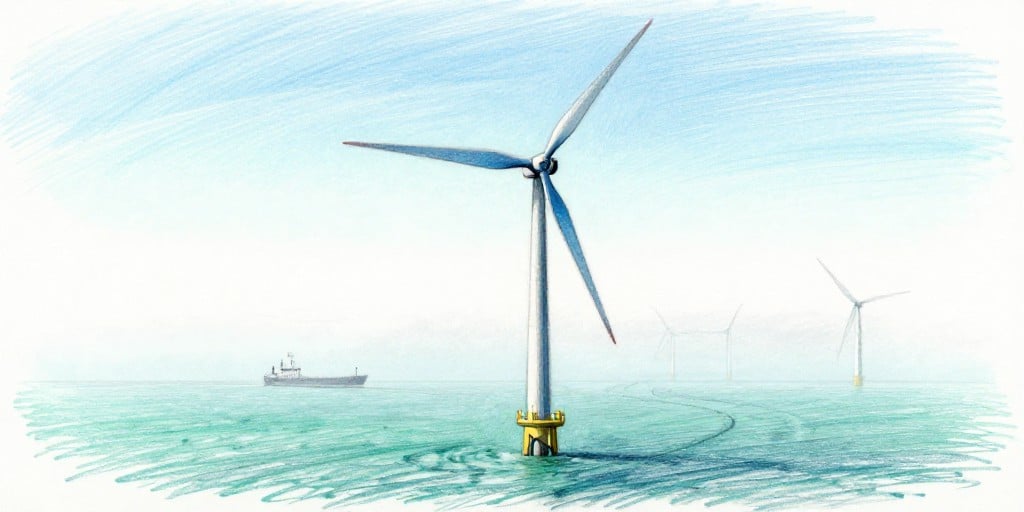
Teekay’s vessels provide essential logistical support for offshore wind farms, subsea drilling, and oil & gas development. The company’s fleet is heavily leveraged by long‑haul freight contracts, with revenues that fluctuate in tandem with global commodity prices and geopolitical tensions. In the past year, freight rates for oil tankers and supply vessels have rebounded from the lows seen during the pandemic, reflecting a surge in demand for petroleum and renewable infrastructure components. This backdrop frames the insider buying spree as a potential bet on continued earnings growth.
2. Energy Market Trends: Production, Storage, and Regulation
2.1 Production Dynamics
- Oil & Gas – Global crude production has plateaued in most major basins, while unconventional plays in the United States and Brazil continue to add modest capacity. However, OPEC+ production cuts and geopolitical developments in the Middle East create a fragile supply environment. Teekay’s supply vessels, which are used in both exploration and production support, may benefit from higher charter rates if new drilling blocks are awarded.
- Renewables – Offshore wind production is expected to grow at a compound annual rate of 8–10 % over the next decade, driven by policy targets in Europe and North America. The installation of new wind farms requires a steady stream of supply vessels, positioning Teekay favorably if the construction cycle accelerates.
2.2 Storage and Infrastructure
- Oil Storage – The global crude inventory reached a 12‑month high in early 2026, driven by a surge in imports from Russia and a tightening of U.S. domestic supplies. Higher storage costs translate into higher shipping freight rates, benefiting tanker operators.
- Renewable Energy Storage – Energy storage technologies such as battery and hydrogen are still in early deployment stages. However, the need for onshore and offshore storage solutions will increase the demand for specialized vessels capable of handling cryogenic liquids or large battery modules. Teekay’s existing fleet of liquid natural gas (LNG) tankers could be repurposed to support these markets.
2.3 Regulatory Landscape
- Climate Policy – The European Union’s Green Deal and the United States’ Inflation Reduction Act impose stricter emissions standards on shipping. Companies that retrofit vessels with alternative fuels (e.g., methanol, ammonia) or implement energy‑efficient propulsion systems may enjoy a regulatory advantage. Teekay’s recent investments in hybrid propulsion could position it as a low‑carbon supplier in a tightening regulatory environment.
- Geopolitical Tensions – Sanctions against Russian shipping and the strategic decoupling of supply chains in the Asia–Pacific region have prompted a reevaluation of routing and fleet allocation. Operators with flexible fleets and diversified charter portfolios, such as Teekay, may navigate these shifts more effectively.
3. Technical and Economic Factors Affecting Traditional and Renewable Sectors
| Factor | Traditional Energy | Renewable Energy | Impact on Teekay |
|---|---|---|---|
| Fuel Costs | High volatility in crude prices | Rising cost of battery electrolytes | Affects operating margins; higher fuel costs may reduce freight profitability |
| Capital Expenditure | Incremental upgrades to rigs | Large upfront investment in wind farms | Drives demand for construction vessels |
| Infrastructure Capacity | Limited storage in some regions | Growing need for specialized transport | Potential for niche market penetration |
| Regulatory Pressure | IMO 2030 CO₂ reduction targets | Net‑zero mandates for grid integration | Incentives for retrofitting and low‑carbon vessels |
| Geopolitical Risks | Supply disruptions from sanctioned countries | Dependence on global supply chains for turbines | Requires agile fleet management |
The interplay of these factors suggests that Teekay’s success will hinge on its ability to align vessel deployment with shifting demand curves in both sectors. The insider buying activity may be interpreted as an anticipation of such alignment, particularly if freight rates and charter contracts begin to reflect the growing importance of renewable infrastructure.
4. Investor Outlook
While the insider purchases indicate a bullish stance from senior management, several cautionary signals persist:
- Historical Volatility – The stock’s 10‑month decline of 10.36 % and a 52‑week low of $41.05 illustrate significant price volatility.
- Earnings Dependence on Freight Rates – Teekay’s profitability remains highly sensitive to short‑term market rates; a sudden drop could offset gains from increased charter contracts.
- Geopolitical Exposure – Continued instability in key shipping lanes could disrupt operations and delay new contracts.
Investors should monitor quarterly earnings reports, charter‑rate updates, and any announcements related to fleet expansion or retrofitting projects. A clear trajectory of increased offshore wind projects and stable oil & gas production would support the positive outlook implied by the insider buying.
5. Conclusion
The coordinated insider buying at Teekay Tankers signals management confidence in the company’s near‑term prospects, likely tied to expectations of rising freight rates and new charter contracts. From a broader market perspective, the transaction occurs against a backdrop of evolving production dynamics, expanding storage infrastructure, and tightening regulatory frameworks that increasingly favor low‑carbon shipping solutions. Investors will need to assess whether Teekay can leverage its fleet assets to capitalize on both traditional energy demand and the accelerating shift toward renewable infrastructure, thereby translating insider optimism into sustainable shareholder value.