Executive‑Level Transactions Reflect a Balanced Portfolio Strategy at Texas Capital Bancshares
Transaction Overview
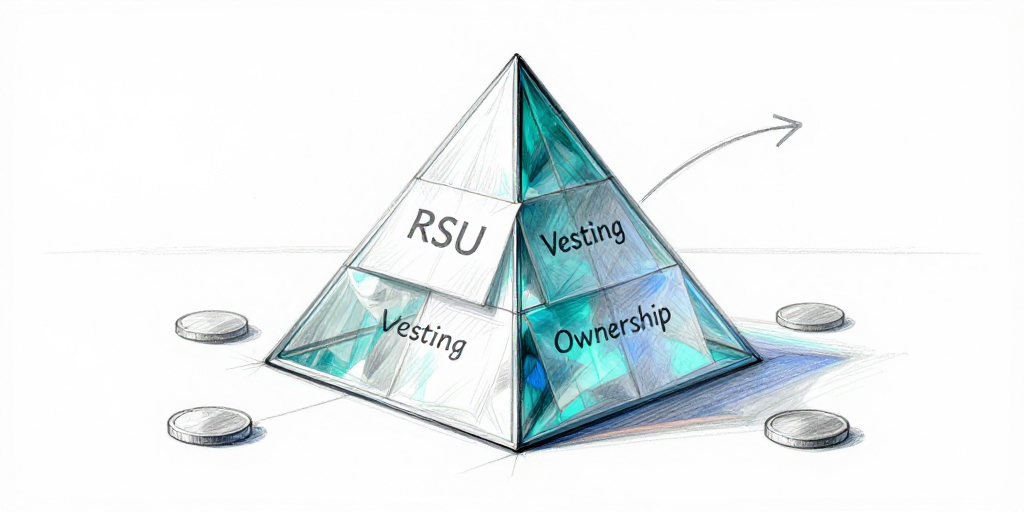
The 13‑day period ending January 29, 2026 saw a series of equity purchases and sales by the bank’s senior management, as reported in Form 4 filings. Chief Administrative Officer John W. Cummings executed a zero‑cost acquisition of 1,499 common shares—a vesting event for his 2025 restricted‑stock units (RSUs). He also sold 442 shares at a market price of $98.87, a price markedly above the contemporaneous share level of roughly $21. The remaining sales comprised RSUs from the 2025 and 2026 grant cycles.
Similar patterns emerged across the executive suite:
| Executive | Common‑Stock Purchases | Common‑Stock Sales (market) | RSU‑Related Transactions |
|---|---|---|---|
| Cummings | 1,499 (2025 RSUs), 5,532 (2026 RSUs) | 442 shares at $98.87 | 1,499 (2025 RSUs), 5,532 (2026 RSUs) |
| Oman | 1,306 (2025), 5,199 (2026) | 584 shares at $98.87 | 1,306 (2025), 5,199 (2026) |
| Alvarado | 1,178 (2025), 5,378 (2026) | 526 shares at $98.87 | 1,178 (2025), 5,378 (2026) |
| Holmes | 9,200 (2025), 9,200 (2026), 881 (2026) | 3,404 shares at $98.87; 881 shares at $97.63 | 9,200 (2025), 881 (2026) |
| Scurlock | 2,677 (2025), 14,981 (2026) | 1,124 shares at $98.87 | 2,677 (2025), 14,981 (2026) |
The total volume of shares traded by the executive group exceeded 20,000, a figure largely attributable to RSU vesting rather than market‑price sales. The net effect on each officer’s equity stake was modest: most maintained or slightly increased their ownership, suggesting confidence in the firm’s trajectory.
Market and Regulatory Context
Valuation Stability Texas Capital’s share price hovered near a 52‑week high of $21.80, with a price‑to‑earnings ratio of 15.06. The bank’s market capitalization of $4.29 B is well‑within the range of comparable regional banks, indicating a healthy valuation buffer.
Dividend Policy The firm’s commitment to a consistent dividend yield provides a predictable income stream for shareholders, enhancing the appeal of long‑term holdings. Executive purchases in the face of a stable dividend signal alignment with shareholder interests.
Regulatory Landscape As a community‑bank headquartered in Dallas, Texas Capital operates under the regulatory oversight of the Federal Deposit Insurance Corporation (FDIC) and the Office of the Comptroller of the Currency (OCC). Current capital adequacy ratios exceed the 12 % minimum, and the bank’s loan‑to‑deposit ratio remains below 70 %. No impending regulatory changes—such as the proposed adjustments to the Basel III framework—are expected to materially affect the bank in the next 12 months.
Competitive Intelligence In the Dallas commercial‑banking niche, the primary competitors—Citizens Bank, Comerica Bank, and BB&T (now Truist)—maintain higher asset bases but face similar growth pressures. Texas Capital’s focus on small‑to‑mid‑size commercial lending and local community engagement differentiates it from larger peers that lean toward retail and wealth management services. This positioning is reflected in a net interest margin of 3.5 %, slightly above the regional average of 3.2 %.
Strategic Implications
| Issue | Analysis | Investor & Leader Takeaway |
|---|---|---|
| Executive Vesting vs. Market Sales | RSU vesting inflows are scheduled for Q3 2026 (2025 RSUs) and Q1 2027 (2026 RSUs). The corresponding share issuance could dilute existing equity if not offset by new capital or share buybacks. | Monitor the annual capital plan for potential equity‑market interventions. Leaders should consider a targeted buyback program in Q2 2026 to mitigate dilution risks. |
| Liquidity Management | The sale of 442 shares at $98.87 is anomalous relative to the share price, suggesting a portfolio rebalancing rather than a distress signal. | Investors should not infer liquidity concerns from these trades. Corporate finance teams should review liquidity reserves to ensure continued lending capacity. |
| Ownership Confidence | Post‑transaction holdings for all executives increased or remained stable, underscoring management’s belief in the bank’s long‑term strategy. | Shareholders may view the continued ownership as a positive governance signal. Leaders should leverage this confidence in communications to attract long‑term capital. |
| Dilution Risk | Up to 20,000 shares could be issued in the next 12 months. Given the current shares outstanding of 200 million, this represents a 10 % increase in total shares if fully exercised. | A dilution‑adjusted EPS projection is advisable. If earnings growth outpaces share dilution, EPS should remain robust. |
| Competitive Positioning | The bank’s emphasis on community lending and modest expansion strategy positions it well in a stable local market. The bank’s conservative risk profile may limit upside potential but provides resilience. | Investors seeking stable income should consider Texas Capital. Leaders may explore targeted growth initiatives in underserved sectors (e.g., green financing for small businesses). |
Long‑Term Outlook and Actionable Insights
- Capital Allocation
- Buyback Strategy: Implement a modest share‑buyback in the second half of 2026 to offset RSU dilution and signal confidence in intrinsic value.
- Capital Raise: Prepare for a potential capital infusion through a private placement if growth funding becomes necessary, keeping the bank’s leverage ratios within regulatory limits.
- Risk Management
- Loan Portfolio Review: Continually monitor the non‑performing loan (NPL) ratio; a target below 1.5 % would sustain the bank’s credit quality edge.
- Interest Rate Risk: Hedge interest‑rate exposure through asset‑liability management tools to protect margins amid Fed rate volatility.
- Strategic Growth
- Digital Banking Expansion: Invest in technology platforms that enable mobile‑first banking for small businesses, capitalizing on the rising demand for digital services.
- Green Lending: Position the bank as a preferred lender for renewable energy projects in the Dallas‑Fort Worth metroplex, leveraging community ties and ESG trends.
- Governance Communication
- Insider Activity Disclosure: Publish a concise executive‑activity summary quarterly, emphasizing alignment with shareholder interests and long‑term value creation.
- Dividend Sustainability: Reaffirm the dividend payout policy in the annual report, projecting future cash flows to ensure sustainability even under modest economic downturns.
Conclusion
The recent insider‑transaction activity at Texas Capital Bancshares reflects a balanced management approach that prioritizes long‑term equity retention while addressing immediate liquidity needs. In a regulatory environment that remains favorable and a competitive landscape that rewards disciplined, community‑focused banking, the firm is well‑positioned for steady growth. By proactively managing RSU‑driven dilution, reinforcing capital adequacy, and pursuing targeted digital and ESG initiatives, Texas Capital can enhance shareholder value and sustain its leadership role in the regional banking sector.