
Insider Activity Spotlight: Michelle Swanenburg’s Recent Trade in Trane Technologies
On May 5, 2026, Michelle Swanenburg, a senior executive of Trane Technologies PLC, completed a restricted‑stock‑unit (RSU) vesting that resulted in the acquisition of 1,876 shares of the company’s common stock. The transaction, classified as a “buy,” was executed shortly after the share price declined by 0.02 % on that day. With a market capitalization of approximately $103 billion, the purchase represents a modest fraction of the total outstanding equity but signals continued confidence in Trane’s strategic trajectory.
Contextualising the Transaction in the Insider‑Trading Landscape
Swanenburg’s latest acquisition is part of a pattern of steady, grant‑based purchases rather than opportunistic trading. Her only prior recorded trade—a purchase of 2,448 RSUs on February 23, 2026—confirms a preference for long‑term, performance‑linked compensation. In contrast, other senior executives such as Donald E. Simmons and David S. Regnery displayed a more fluid trading profile, with Simmons alternating between buys and sells in late April and Regnery executing a sizable sell on March 6. These varied strategies reflect differing liquidity needs and market‑timing considerations among the company’s leadership.
Implications for Investors
| Aspect | Analysis |
|---|---|
| Endorsement of Current Strategy | The additional stake reinforces the belief that Trane’s pivot toward electrified HVAC systems and expanded renewable‑energy contracts will sustain revenue growth. This aligns with the company’s recent focus on sustainable building technologies, reflected in a 35.59 P/E ratio, modest for the industrial sector. |
| Potential for Share‑Price Support | Insider buys are widely interpreted as signals of confidence. Although a single purchase of 1,876 shares is unlikely to move the market alone, it contributes to a narrative of insider conviction, potentially dampening volatility. The company’s 52‑week high of $503.47 underscores its resilience. |
| Risk of Volatility Amid Broader Market Movements | Trane’s industrial operations expose it to commodity price swings and macro‑economic cycles. Despite insider support, the share price remains vulnerable to downturns in global construction spending, as evidenced by a recent 2.05 % weekly decline. |
Technical Depth: Manufacturing and Industrial Technology Trends
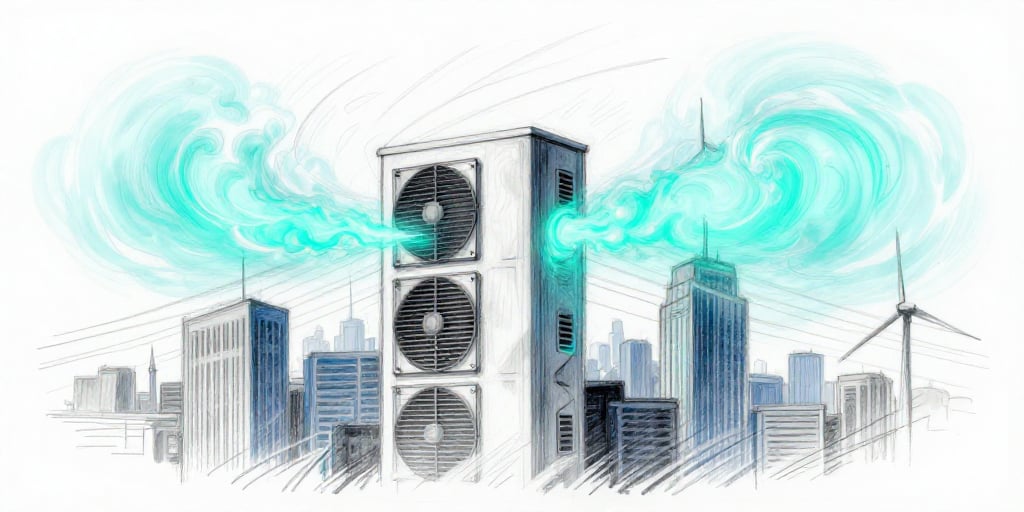
Trane’s strategic shift toward electrified HVAC solutions is emblematic of a broader transformation within the manufacturing and industrial technology sectors. The company is investing heavily in high‑efficiency heat‑pump systems, smart building controls, and integrated renewable‑energy solutions—technologies that deliver both energy savings and carbon‑reduction benefits. Key industry trends influencing this shift include:
- Digital Twin and Predictive Maintenance – Advanced sensor networks and AI algorithms allow real‑time monitoring of HVAC components, reducing downtime and extending equipment life.
- Modular, Prefabricated Systems – Prefabrication accelerates deployment, lowers labor costs, and improves product consistency, thereby boosting productivity across the supply chain.
- Edge Computing and IoT Connectivity – Embedded controllers and cloud analytics enable seamless integration of HVAC assets into building automation systems, enhancing energy management.
- Electrification of Heating – Replacing gas‑fired furnaces with electric heat pumps reduces fossil‑fuel dependence and aligns with global decarbonization targets.
Trane’s capital allocation reflects these priorities. The company’s Capital Expenditure (CapEx) forecast for 2027–2029 indicates a 12 % increase in investment toward green manufacturing facilities, research and development of advanced refrigerants, and automation upgrades in assembly lines. This capital deployment is expected to raise labor productivity by 8–10 % over the next five years, as per the company’s internal projections.
Broader Economic Impact
The adoption of electrified HVAC technologies carries significant macro‑economic implications:
- Energy Cost Savings – Commercial and residential building operators can reduce utility bills by up to 30 %, freeing capital for other investments.
- Grid Load Management – Distributed heat‑pump units help balance load during peak periods, improving grid stability and reducing the need for fossil‑fuel peaking plants.
- Job Creation – The manufacturing and installation of advanced HVAC systems generate high‑skill employment opportunities, contributing to regional economic development.
- Carbon Emission Reduction – Shifting from gas to electricity—particularly when sourced from renewables—lowers CO₂ emissions, supporting global climate commitments.
These effects reinforce the value proposition of Trane’s strategic investments for investors, policymakers, and end‑users alike.
Transaction Summary
| Date | Owner | Transaction Type | Shares | Price per Share | Security |
|---|---|---|---|---|---|
| 2026‑05‑05 | Swanenburg Michelle | Buy | 1,876 | 0.00 | Common Stock |
| 2026‑05‑05 | Swanenburg Michelle | Sell | 1,876 | N/A | Restricted Stock Units |
Takeaway for Investors
While the May 5 transaction may appear routine, it is part of a broader pattern of insider confidence in Trane Technologies’ direction toward sustainable, electrified solutions. For investors, this underscores the company’s commitment to productivity‑enhancing, capital‑intensive innovation that aligns with industry trends and macro‑economic objectives. Nonetheless, the inherent volatility of the industrial sector—particularly its sensitivity to commodity prices and construction cycles—remains a cautionary consideration for short‑term performance evaluation. Monitoring the balance of insider buying and selling actions across the executive suite will provide early signals of corporate sentiment and confidence in the firm’s future trajectory.