Insider Transaction Analysis at Uber Technologies Inc.
The recent disclosure of insider trading activity on March 16, 2026, provides a nuanced view of executive sentiment toward Uber Technologies Inc. (NASDAQ: UBER). While the trades themselves are modest in scale, their timing, structure, and alignment with Uber’s strategic initiatives reveal several hidden trends and potential risks and opportunities across the broader transportation, autonomous‑vehicle, and technology sectors.
1. Transaction Summary
| Insider | Action | Shares | Price per Share | Notes |
|---|---|---|---|---|
| Krishnamurthy Nikki (SVP & Chief People Officer) | RSU conversion | 69,583 | 0.00 (conversion) | Vested on 16 March; added 69,583 shares to her holding |
| Krishnamurthy Nikki | Sale (tax‑withholding) | 27,785 | $74.66 | Reduces holding by 27,785 shares |
| Krishnamurthy Nikki | Sale (market) | 30,000 | $74.45 | Slightly below market price |
| Krishnamurthy Nikki | Net effect | – | – | Net purchase of approximately 1,190 shares (rounded) |
| CEO D. Khosrowshahi | Multiple purchases | 389,041 | 0.00 (RSU conversion) | Significant RSU conversion reflecting confidence in long‑term prospects |
| CEO D. Khosrowshahi | Multiple sales | 198,606 | $74.66 | Large outflow, potentially for liquidity or tax purposes |
| CFO Balaji | RSU conversion | 1,158 | 0.00 (RSU conversion) | Minor net purchase |
| CFO Balaji | Sale | 590 | $74.66 | Minor outflow |
| Other insiders (West, Hazelbaker, Ceremony, Macdonald) | Various small trades | < 200,000 | – | Pattern of periodic RSU conversions followed by tax‑withholding sales |
The net effect for Nikki is a modest purchase of approximately 1,190 shares at a weighted average price of $74.45, which is marginally below the contemporaneous market price of $76.66. The transaction volume is small relative to Uber’s daily trading volume, yet it is consistent with a broader pattern of insider confidence.
2. Strategic Context
2.1 Autonomous Ride‑Hailing Partnership
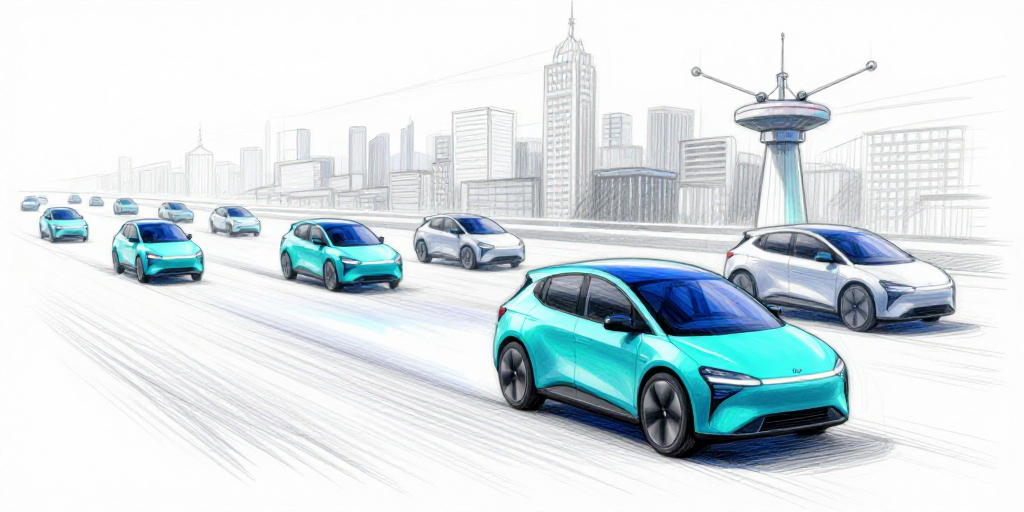
Uber’s recent collaboration with Nvidia to deploy autonomous vehicles is a critical driver of the company’s growth narrative. The partnership promises to reduce operating costs, enhance safety, and position Uber as a leader in the driverless mobility market. The insider trades—particularly the sizable RSU conversions by CEO Khosrowshahi and the modest purchases by Nikki—can be interpreted as a tacit endorsement of this strategy.
2.2 Market Fundamentals
- P/E Ratio: Uber trades at a P/E of 16.3, modest relative to the broader technology sector, suggesting that the market is pricing in limited growth upside or perceiving risk in the autonomous venture.
- Revenue Streams: Uber’s core ride‑hailing revenue is stable, while its expansion into freight, grocery, and autonomous services offers diversification. Insider confidence may signal expectations of incremental revenue from autonomous deployments.
- Competitive Landscape: Major competitors such as Lyft, DoorDash, and emerging autonomous fleets are also investing in similar technologies. Insider activity may reflect Uber’s competitive positioning and strategic differentiation.
3. Risk Assessment
| Risk Factor | Description | Insider Indicator |
|---|---|---|
| Regulatory Scrutiny | Autonomous vehicles face strict safety and liability regulations. | RSU conversions suggest long‑term patience; no immediate defensive actions. |
| Market Volatility | Uber’s stock has shown sensitivity to macro‑economic signals. | Net purchases modest; insiders are not hedging aggressively. |
| Technology Adoption | Deployment delays or safety incidents could impact earnings. | Insider confidence remains high despite potential execution risks. |
| Liquidity Constraints | Large insider sales could create temporary downward pressure. | CEO’s large sale (198,606 shares) indicates liquidity needs but not a strategic divestment. |
4. Opportunity Analysis
| Opportunity | Sector | Potential Impact |
|---|---|---|
| Autonomous Fleet Expansion | Transportation | Reduced per‑ride cost, increased margins. |
| Data Monetization | Technology | Leveraging ride‑data for predictive analytics. |
| Supply‑Chain Services | Logistics | New revenue from freight and delivery. |
| Strategic Partnerships | Corporate | Alliances with hardware vendors like Nvidia. |
Insider activity signals a belief that these opportunities will materialize, especially given the alignment of executive holdings with performance‑linked RSU plans.
5. Comparative Insider Behavior
- CEO Khosrowshahi: Significant RSU conversion suggests confidence but also an intention to retain a large stake for future upside. The large sale indicates a need for liquidity but does not negate confidence.
- CFO Balaji: Minor net purchases reflect a cautious stance, likely focused on financial prudence.
- SVP Nikki: Consistent pattern of RSU conversion followed by tax‑withholding sales; a disciplined approach that balances long‑term exposure with periodic liquidity.
Compared to industry peers, Uber’s insiders exhibit a balanced mix of long‑term commitment and short‑term liquidity management, which aligns with the company’s growth trajectory and the regulatory environment surrounding autonomous vehicles.
6. Conclusion
The insider transactions disclosed on March 16, 2026, represent a microcosm of executive sentiment toward Uber’s strategic direction. While the trades are not large enough to move the market on their own, they corroborate the narrative that Uber’s leadership remains optimistic about the autonomous partnership with Nvidia and the broader transformation of mobility services.
Investors should interpret these signals as a bullish endorsement of Uber’s long‑term value proposition, while remaining mindful of the regulatory and technological risks that could influence execution. The disciplined trading patterns observed among senior executives suggest a measured approach to risk, providing a foundation for potential upside as Uber’s autonomous initiatives progress and mature.