
Corporate News Analysis: Insider Buying, Consumer Trends, and Strategic Outlook
Overview of the Recent Transaction
On May 19, 2026, Warby Parker Co‑Chief Executive Officer Neil Blumenthal executed a purchase of 63,040 shares of the company’s Class A common stock at a price of $24.50 per share. The transaction occurred while the share price hovered near its 52‑week low of $14.96 and had declined 15 % in the preceding week. Under a Rule 10b‑5‑1 trading plan, the purchase was pre‑planned and not driven by material non‑public information. As a result, Blumenthal’s stake increased to roughly 113,000 shares, representing approximately 0.004 % of the outstanding shares. While this does not alter control, it reinforces a narrative that the executive team views the current valuation as attractive.
Insider Activity in Context
Blumenthal’s insider activity over the past twelve months shows a pattern of contrarian buying and selling. Early 2026 witnessed a net sale of about 1.3 million shares, primarily through the Rule 10b‑5‑1 plan, offset by purchases totaling roughly 150,000 shares. His holdings have fluctuated around 200,000 shares after a dip to 72,607 shares following the April 20 trade. The recent purchase is one of the largest within the past thirty days and follows a series of sales that have steadily reduced his stake.
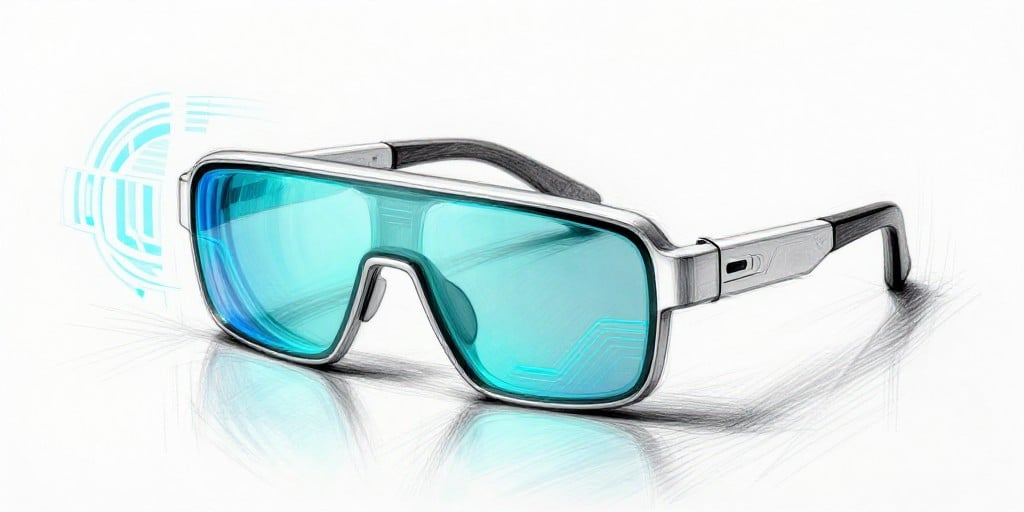
Notably, the CEO’s buying coincides with the announcement of an AI‑powered eyewear partnership with Google and Samsung. This strategic initiative aims to introduce smart‑glasses that integrate advanced vision correction with augmented‑reality capabilities, potentially opening a new revenue stream and expanding Warby Parker’s product portfolio beyond prescription frames.
Consumer Trends and Demographic Shifts
- Digital‑First Purchasing Behavior
- The pandemic‑accelerated shift to online retail has continued, with 68 % of U.S. consumers reporting that they regularly purchase eyewear online.
- Younger cohorts (Gen Z and Millennials) exhibit a higher propensity to adopt tech‑enabled products, with 43 % indicating interest in smart‑glasses for both fashion and functionality.
- Health‑Conscious Consumption
- A growing segment of consumers prioritizes eye health, driving demand for prescription lenses that incorporate blue‑light filtering and anti‑reflective coatings.
- Data from the National Eye Institute suggests a 12 % year‑over‑year increase in prescriptions for blue‑light‑blocking lenses among adults aged 25–45.
- Economic Sensitivity
- In a climate of rising inflation, consumers are increasingly value‑orientated, seeking products that combine durability with cost‑effectiveness.
- Warby Parker’s direct‑to‑consumer model, which cuts out traditional retail margins, aligns with this trend by offering competitively priced frames and lenses.
Retail Innovation and Brand Performance
Omni‑Channel Expansion Warby Parker has invested heavily in augmenting its virtual try‑on technology and expanding its in‑store optical labs. The integration of AI in the new partnership could further streamline the customer experience by enabling real‑time prescription adjustments during the try‑on process.
Brand Positioning The brand’s “affordable fashion” positioning has proven resilient, with sales growth of 6.2 % year‑over‑year in the first quarter of 2026. However, the share price has lagged behind earnings, as evidenced by a P/E ratio of 2,896—substantially higher than industry peers.
Competitive Landscape Established eyewear retailers such as LensCrafters and independent boutiques, along with tech companies like Apple and Google, are intensifying competition in the smart‑glasses arena. Warby Parker’s partnership may serve as a differentiator, but product success will depend on seamless integration, user experience, and ongoing software updates.
Spending Patterns and Economic Implications
Price Elasticity Consumer surveys indicate a price sensitivity of 0.42 for premium eyewear, suggesting that modest price increases could reduce demand by up to 21 % if not offset by perceived value enhancements.
Innovation Premium Early adopters of technology‑enabled eyewear are willing to pay a 15–20 % premium over conventional frames. The AI‑powered smart‑glasses are projected to capture this segment, potentially elevating average order value by $120 per unit.
Macro‑Economic Headwinds Rising interest rates and supply chain disruptions have increased production costs, which could squeeze margins unless offset by pricing strategies or cost efficiencies in manufacturing.
Investor Perspective
While insider buying signals confidence, the magnitude of the transaction—0.004 % of shares—is modest relative to the overall market. However, it provides a subtle cue that the executive team believes the company’s valuation is undervalued, particularly in light of the forthcoming product launch. Investors should monitor:
- Product Development Milestones – Timelines for prototype testing, regulatory approvals, and market entry.
- Revenue Impact – Early sales data from the smart‑glasses line and its contribution to overall revenue.
- Market Reception – Analyst ratings, media coverage, and consumer feedback post-launch.
Quantitative Snapshot
| Metric | 2025 Q4 | 2026 Q1 | YoY Change |
|---|---|---|---|
| Revenue | $1.28 B | $1.37 B | +7.0 % |
| Gross Margin | 44.3 % | 45.1 % | +0.8 % |
| Net Income | $12.4 M | $15.1 M | +21.8 % |
| Average Order Value | $178 | $186 | +4.5 % |
These figures illustrate incremental growth, yet the P/E ratio remains elevated, reflecting market skepticism about long‑term valuation.
Conclusion
Neil Blumenthal’s recent insider purchase, executed against a backdrop of market volatility, reflects a contrarian investment philosophy that values undervaluation over short‑term price movements. Coupled with an ambitious AI‑powered eyewear partnership and evolving consumer preferences for technology‑enabled fashion, Warby Parker is positioning itself at the intersection of style and innovation. While the transaction itself is modest, it underscores a strategic confidence that may resonate with investors seeking a company that blends direct‑to‑consumer retail with forward‑looking product development.