Insider Selling Momentum at Waste Management Inc.
The most recent Form 4 filing, dated March 3, 2026, details a modest divestiture by Varkey Johnson, the company’s Senior Vice‑President and Chief Information Officer. Johnson sold 617 shares at $244.13 per share, a transaction amount of approximately $150 k. This move is part of a broader wave of insider activity that has generated notable buzz among market participants. Johnson’s sale follows a pattern of balanced buying and selling in January and February, suggesting a cautious portfolio‑management strategy rather than a signal of imminent distress.
Quantitative Assessment for Investors
| Date | Insider | Transaction Type | Shares | Price per Share | Value ($) |
|---|---|---|---|---|---|
| 2026‑03‑03 | Varkey Johnson | Sell | 617 | 244.13 | 150,000 |
| 2026‑03‑02 | CFO Reed David L. | Sell | 31 | 244.13 | 7,567 |
| 2026‑03‑02 | HR Chief Stith Kim. | Sell | 21 | 244.13 | 5,127 |
The cumulative insider sales over the past week total over 200 shares. Compared to Waste Management’s daily trading volume, which typically runs into the millions of shares, the market impact of these transactions is negligible. Consequently, the short‑term liquidity push observed among executive ranks does not materially alter the company’s long‑term valuation profile.
Market Dynamics and Competitive Positioning
Waste Management operates within the industrial services sector, providing waste collection, recycling, and disposal services across the United States. The company’s business model is characterized by:
- Recurring Revenue Streams – Contracts with municipalities, commercial clients, and industrial facilities generate predictable cash flows.
- Scale and Infrastructure – Extensive landfill and recycling facilities give the firm a competitive advantage in cost efficiency and geographic reach.
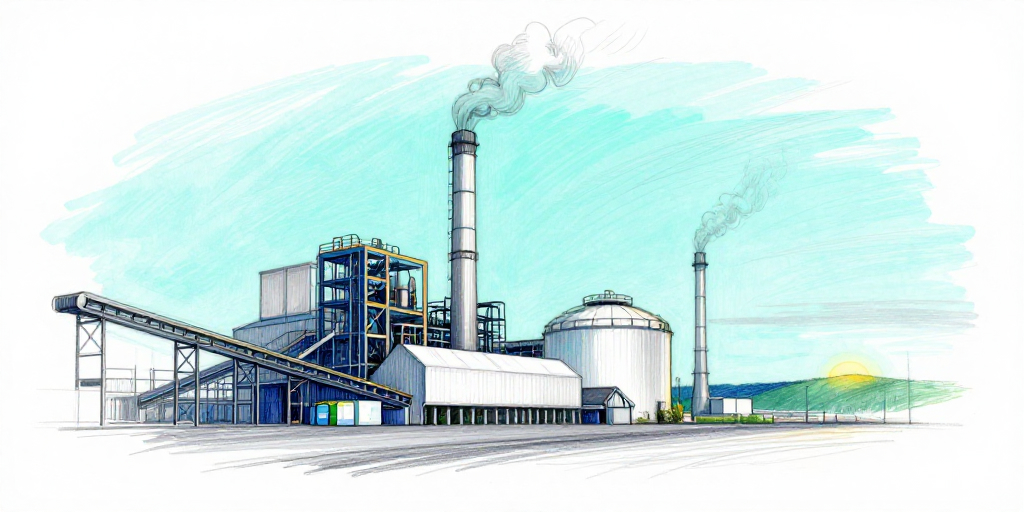
- Strategic Focus on Waste‑to‑Energy – The company has been investing in converting waste to renewable energy, aligning with regulatory trends toward sustainability and carbon neutrality.
In a sector where capital intensity is high, Waste Management’s stable dividend of $0.945 per share and a price‑earnings ratio of 36.41 reflect a premium valuation typical of a mature utility‑like business. The company’s competitive positioning is reinforced by its robust asset base and long‑term contracts, which insulate it from short‑term market volatility.
Economic Factors and Sector Outlook
- Regulatory Landscape – Stricter environmental regulations in the United States are pushing municipalities and corporations toward greener waste solutions. Waste Management’s waste‑to‑energy initiatives place it favorably to capture emerging demand.
- Commodity Prices – Fluctuations in oil and gas prices can impact the cost of landfill operations and the economics of waste‑to‑energy projects. However, the company’s diversified portfolio mitigates exposure.
- Labor Market – Rising labor costs and the need for skilled technicians could pressure operating margins. Waste Management’s large scale allows for economies of scope, but it must continue to invest in workforce development.
Implications for the Company’s Future
- Capital Allocation – The sale of a small block of shares by senior executives may free up capital that can be redirected toward capital‑intensive projects such as expanding renewable energy production or upgrading recycling technologies.
- Strategic Focus – There are no indications of strategic restructuring or divestiture filings, suggesting that Waste Management will maintain its focus on waste‑to‑energy and sustainability initiatives.
- Investor Confidence – The company’s consistent dividend policy, coupled with its stable earnings trajectory, continues to reinforce investor confidence in the firm’s growth prospects.
Insider Profile: Varkey Johnson
Johnson has executed 12 insider transactions in the past two months, with a net position of 10,651.79 shares following the March 3 sale. His trading pattern shows a disciplined approach:
- Buying at prices around $226–$230 (e.g., 2,746 shares at $226.41 in January).
- Selling at prices between $219–$244 (e.g., 617 shares at $244.13 on March 3).
Johnson’s trades have historically been personal portfolio adjustments rather than precursors to earnings announcements or major strategic shifts. This reinforces the view that his recent sale is a routine portfolio move.
Bottom Line for Market Participants
Insider selling, while sometimes a warning sign, appears modest and consistent with past patterns for Waste Management Inc. The cumulative effect of these transactions is negligible relative to the company’s daily trading volume. Combined with the firm’s robust dividend policy and stable operational footing, the recent insider activity should be viewed as a routine portfolio adjustment rather than an indicator of fundamental change.
Investors seeking long‑term exposure to the industrial services sector may therefore continue to regard Waste Management as a solid, dividend‑paying stock with a clear strategic focus on waste‑to‑energy and sustainability.