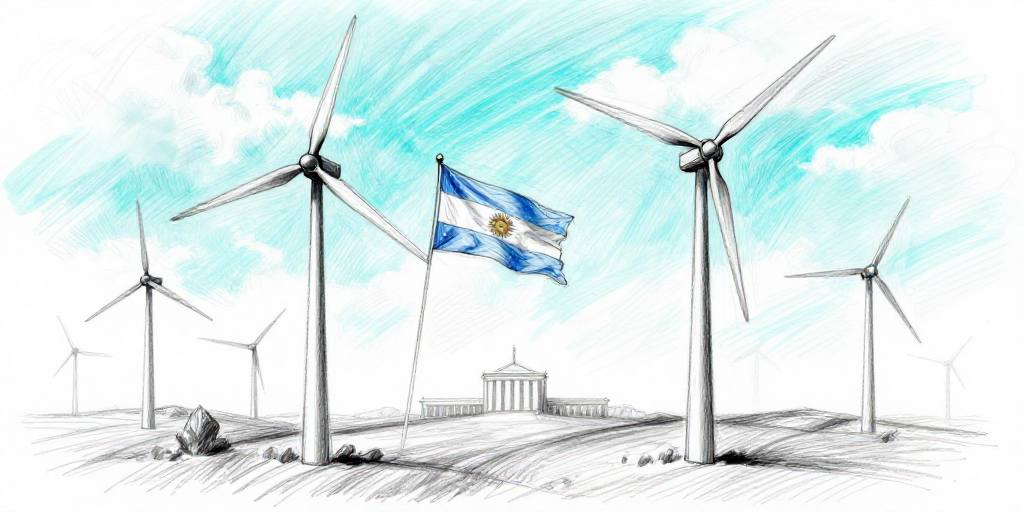
Insider Sale Signals Strategic Realignment at YPF SA
On March 19, 2026, Labor Relations Vice‑President Aldeco Marcelo Gustavo sold 12,719 shares of YPF SA’s Class D common stock at an exchange‑converted price of $43.61 per share. The transaction reduced his stake to a residual 101 shares, effectively eliminating his ownership interest in the company. The sale occurred when the share price hovered near its 52‑week high of $42.59, suggesting a deliberate decision to lock in gains rather than an abrupt panic sale.
Contextualizing the Transaction
YPF’s recent insider activity exhibits a mixture of long‑term holdings by senior executives, yet there have been no significant new purchases to offset this sizeable outflow. The timing of Gustavo’s sale coincides with a broader trend of executive liquidity events across the energy sector, particularly in firms confronting regulatory headwinds in politically volatile jurisdictions.
From a market‑capitalization standpoint, YPF remains a sizable asset with a $14.5 trillion market cap. Consequently, a single insider sale is unlikely to move the market materially. However, it can serve as a signal of internal risk reassessment, especially regarding exposure to Argentine politics and legal actions that could affect asset ownership and earnings.
Regulatory Environment and Legal Headwinds
The U.S. appeals court has temporarily halted discovery into Argentine assets, a move that has broadened the uncertainty surrounding YPF’s operations in Argentina. Should the court eventually allow discovery, the company faces a potential tail risk: asset seizures or regulatory penalties that could erode its earnings and disrupt cash‑flow generation.
The legal dispute over the 2012 nationalization judgment remains a persistent concern. Should the court permit discovery, YPF could confront significant liability or restructuring costs. The insider sale may reflect a pre‑emptive strategy by senior management to reduce exposure to such risk by liquidating assets that could be targeted or by freeing up capital to withstand potential shocks.
Market Fundamentals and Competitive Landscape
YPF’s stock has posted a strong 12.15 % monthly gain, buoyed by its diversified renewable portfolio and robust cash‑flow profile. In the broader energy landscape, YPF competes with both traditional oil and gas producers and emerging renewable energy firms. The company’s strategic emphasis on renewables positions it favorably amid global decarbonization trends and shifting investor sentiment toward sustainable assets.
Nevertheless, the company’s core operations remain heavily tied to Argentina’s political and economic environment. Regulatory changes, taxation policy, and infrastructure constraints can materially affect YPF’s operational efficiency and profitability. Within the competitive arena, other South‑American energy firms—such as Brazil’s Petrobras and Chile’s Enel Chile—are also navigating similar geopolitical risks while diversifying into renewables. This convergence creates both competitive pressure and potential collaboration opportunities within the region’s renewable energy space.
Hidden Trends, Risks, and Opportunities
| Hidden Trend | Risk | Opportunity |
|---|---|---|
| Increased insider liquidity | Potential signal of heightened risk aversion by senior management | Indicates readiness to pivot or restructure |
| Stalled asset discovery process | Uncertainty over asset ownership and potential seizures | Allows time for strategic planning and risk mitigation |
| Growth in renewable portfolio | Competition in renewable market could erode margins | Leverage renewable assets to attract ESG‑focused investors |
| Political volatility in Argentina | Currency depreciation and policy shifts | Utilize hedging mechanisms and diversify asset base |
Implications for Investors
Long‑term investors should maintain vigilance over YPF’s legal developments, particularly the progression of the 2012 nationalization case and the status of the U.S. appeals court’s discovery halt. A favorable outcome could strengthen YPF’s financial position, while an adverse ruling may necessitate rapid divestitures or capital reallocation.
Short‑term traders may view the insider sale as a neutral signal, given the company’s solid fundamentals and recent price momentum. Nevertheless, the liquidity event could precede a temporary price correction if market participants interpret it as a warning about impending regulatory actions.
Risk‑averse portfolios might consider diversifying across the energy sector, including exposure to firms operating in more politically stable jurisdictions or with diversified asset mixes that mitigate country‑specific risks.
Conclusion
Aldeco Marcelo Gustavo’s substantial sale of YPF shares underscores a cautious recalibration by senior leadership amid persistent geopolitical and regulatory uncertainty. While the transaction itself is unlikely to sway the market, it offers a window into YPF’s risk‑management priorities and potential future strategic moves. Investors should weigh the company’s strong renewable focus and cash‑flow generation against the lingering legal tail risk and the broader competitive dynamics within the Latin American energy sector. Maintaining a diversified energy portfolio and staying attuned to changes in executive behavior will remain essential for navigating the evolving landscape.